Last Updated on August 19, 2026 by Umar Farooq
Short answer: Why do crystals work for some people but not others comes down to belief, openness, and ritual consistency — not the crystal itself. Research on crystal healing has found that people who score higher on belief in paranormal or “energy” concepts report stronger sensations (tingling, warmth, calm) from the exact same stone as people who are skeptical, and this holds true even when the “crystal” is actually plain glass. In short: the variable that predicts whether you’ll feel something is you, not the mineral.
This guide unpacks why that happens, what personality science says about it, what crystal traditions believe instead, and a practical way to test — fairly — whether crystals do anything for you personally before deciding they “don’t work.”
Why Do Crystals Work for Some People, Not Others? (Quick Answer)
The clearest, most-replicated finding on this exact question comes from a 2001 study presented at the European Congress of Psychology: 80 participants meditated holding either a real quartz crystal or a visually identical piece of glass. Both groups reported similar sensations — tingling, warmth, a sense of energy — but people who scored higher on a “belief in the paranormal” questionnaire consistently reported stronger effects, regardless of which object they were actually holding. The researcher behind it, psychologist Christopher French, concluded the effect was driven by suggestion, not the stone. That’s the honest, evidence-based answer to why your friend feels something and you don’t: it’s about individual psychology, not a defect in you or a “power” in their stone.
The Real Reasons Behind the Difference
1. Skepticism can dampen the placebo response
Placebo effects are well documented to be strongest in people who expect them to work. If you’re going into the experience doubting it, that expectation itself reduces the odds you’ll consciously notice a subtle shift — this isn’t a character flaw, it’s a known pattern in placebo research across many types of treatments, not just crystals.
2. Inconsistent use
Someone who wears a crystal daily for weeks is simply giving themselves more opportunities to notice a change than someone who held it once at a friend’s house. A single data point (or lack of one) isn’t a fair test.
3. Mismatched crystal choice
If your friend picked citrine for confidence and you picked the same stone for an unrelated goal like sleep, you’re not really testing the same thing — different intentions call for different traditional associations.
4. Different expectations
“I want to feel calmer” and “I want this to fix my anxiety completely” are very different bars to clear. The person with the smaller, more specific expectation is more likely to notice it being met.
5. Lack of ritual or context
Crystal practices in wellness traditions are rarely just “hold a rock.” They typically involve cleansing, quiet reflection, and intention-setting — a mini mindfulness ritual. Skipping that context and just carrying a stone in your bag removes the part of the practice most likely to produce a felt effect.
What Crystal Traditions Believe Instead
Outside the scientific framing, crystal-healing traditions offer a different explanation for the same observation, and it’s worth understanding on its own terms:
- Energetic sensitivity: some traditions hold that certain people are naturally more attuned to subtle energy — often described using the term “empath” — while others process experiences more through thought or visualization than physical sensation.
- Bonding or attunement: the belief that a crystal needs time to build a relationship with a new owner before its effects are felt, similar to how the same crystal might feel different in two different people’s hands.
- Different ways of “feeling” it: some practitioners suggest that people who don’t feel a physical sensation may instead notice effects through mood, sleep, or intuition rather than through tingling or warmth — reframing “I feel nothing” as “I’m noticing it in a different way.”
These are traditional and spiritual beliefs, not scientifically validated claims. They can be a meaningful lens for someone who finds them useful, but they shouldn’t be presented as an established fact about why one person’s experience differs from another’s.
Common Myths About Crystal Compatibility
- Myth: Skepticism completely “cancels” all crystal energy. There’s no evidence that doubt has any effect on a stone’s physical properties, because there’s no evidence of an energetic property to cancel in the first place — what doubt does affect is your own subjective, expectation-driven experience.
- Myth: Some people are simply “incompatible” with all crystals. No research or tradition supports a fixed category of people crystals “don’t work for” across the board — inconsistent use, mismatched intention, or an untested ritual are far more common explanations than a permanent incompatibility.
- Myth: If you don’t feel tingling, nothing is happening. Many people who report calm, grounded feelings from crystal use never describe a physical sensation at all — tingling is one possible report, not a required proof of effect.
- Myth: A crystal not “working” for you means it’s a sign about something else in your life. It’s easy to slip into reading a lack of felt effect as a deeper spiritual message. Treat a quiet result as information about the practice and your fit with it — not as a stand-in explanation for unrelated problems in your life.
How to Fairly Test Whether Crystals Work for You
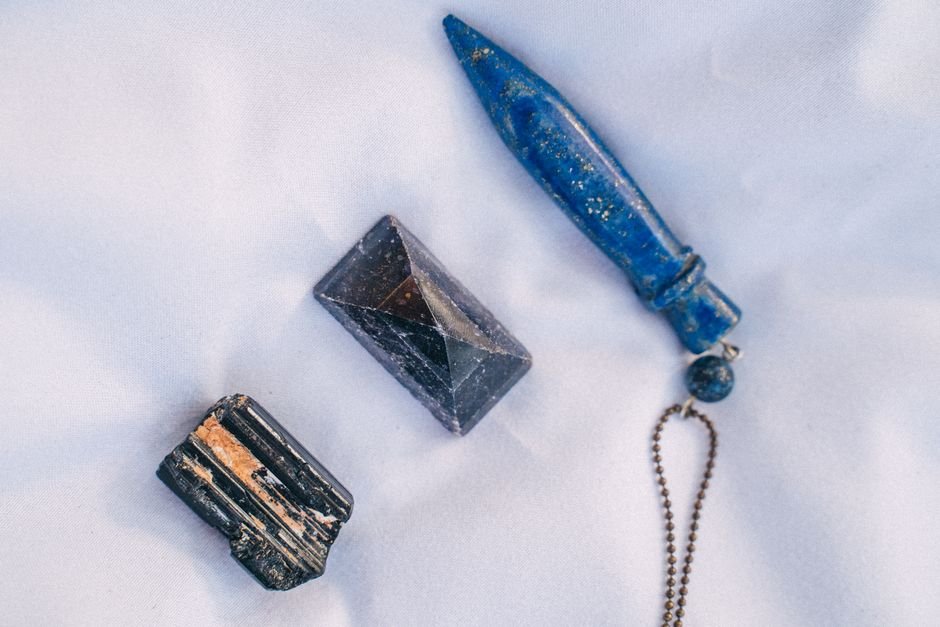
- Pick one crystal matched to one specific intention. Match the traditional association (for example, black tourmaline for grounding) rather than choosing based on looks alone.
- Add the full ritual, not just the object. Cleanse it, set a clear intention out loud or in writing, and give yourself a quiet moment with it rather than passively carrying it around.
- Commit to daily use for two weeks before judging. A single session with low expectations is not a representative test, for you or anyone else — see our realistic guide to how long crystals take to work for what to expect week by week.
- Track your mood and context daily, not just “did I feel a tingle.” Note stress level, sleep, and general outlook — subtler shifts are more common and more useful to track than a dramatic sensation.
- Try a second stone or method if the first doesn’t land. If a specific stone genuinely doesn’t resonate, that’s useful data — switch to a different one tied to a different, perhaps clearer, intention before concluding the practice isn’t for you at all.
What Science Says About Belief and Suggestibility
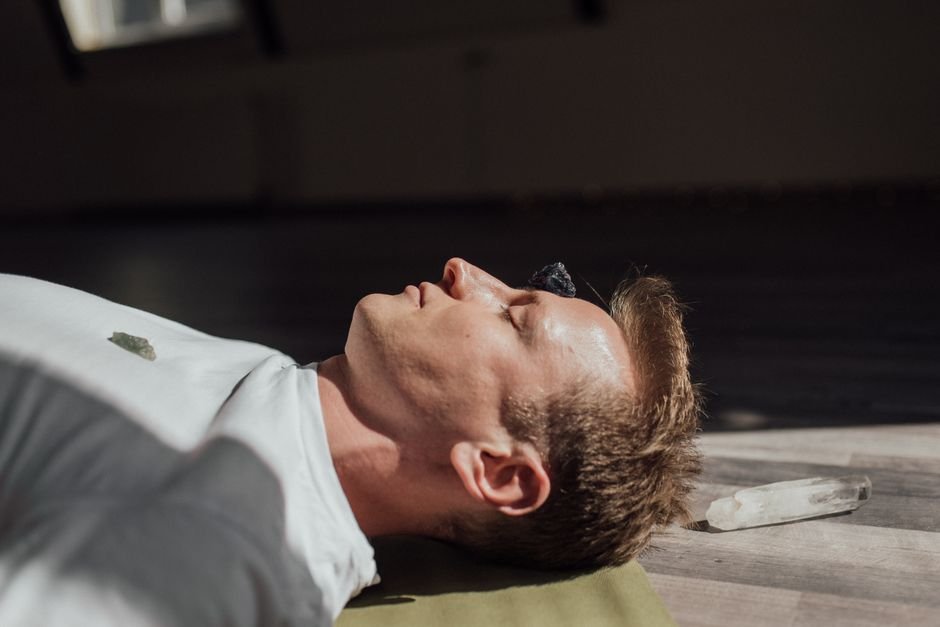
- Suggestibility is a measurable personality trait. Some people are more responsive to suggestion and expectation-based cues than others — this is studied broadly in psychology, not just in relation to crystals, and explains a large share of why identical experiences produce different reports.
- The 2001 French study found belief predicted the sensation, not the object. People with higher paranormal belief scores reported stronger effects with both real and fake crystals, while skeptics reported weaker effects with both — a clean demonstration that the crystal itself wasn’t the active variable.
- Reviews of complementary medicine describe the same pattern. Health researchers and reviewers who study alternative medicine broadly conclude that any benefit from crystal use traces back to belief and ritual, not a property of the mineral, and that this doesn’t make the calm people feel any less real to them.
- Placebo response is well-documented and genuine, even when the “treatment” has no active ingredient. This is a foundational finding in clinical research: expectation alone can produce real, measurable changes in perceived symptoms, which is why the sensations from a “believed-in” crystal aren’t fake — they’re just not coming from the stone.
When “It Doesn’t Work for Me” Isn’t Really About Crystals
It’s worth being honest about one boundary here: if you’re using “crystals don’t work for me” as an explanation for an unrelated life problem — a stalled relationship, ongoing anxiety, a career setback — that’s a sign to look at the actual situation directly (and, where relevant, with a professional’s help) rather than treating stone selection as the missing piece. Crystals, at most, are a small mindfulness accessory. They aren’t a diagnostic tool for why your life isn’t going the way you want.
Questions About Why Crystals Work Differently
Does not believing block the effect?
Not in the sense of blocking a stone’s “energy” — there’s no evidence any energy exists to block. What skepticism does do is reduce the expectation that drives the placebo response, meaning a doubtful person is statistically less likely to consciously notice a subtle sensation than someone who expects to feel something, with the same stone. We cover the belief-based side of this question in what blocks crystal energy.
Can I train myself to feel it?
To some extent, yes — increasing your familiarity with a practice, slowing down, and paying closer attention to subtle bodily sensations (through meditation or simply quiet reflection) can make you more likely to notice small shifts in mood or tension, whether or not you attribute them to the crystal specifically. This is closer to building a mindfulness skill than “unlocking” a stone’s power.
Is it normal for two people with the same crystal to feel completely differently?
Yes, and it’s actually the expected result based on existing research. The 2001 crystal study found belief level, not the object, predicted the intensity of reported sensations — so two people holding an identical stone reporting different experiences is consistent with what’s already been documented, not unusual or a sign anything is wrong.
Should I keep trying if I’ve never felt anything?
If you’ve tried a matched stone, a full ritual, and consistent daily use for a couple of weeks and still feel nothing, that’s a reasonable point to either try a different stone/intention pairing or to treat crystals purely as a decorative or mindfulness prop rather than expecting an energetic effect. Before giving up entirely, run through the checklist in why isn’t my crystal working to rule out the common fixable causes.
Are “energetically sensitive” people a real, measurable thing?
Not in the sense of a tested scientific category. What is measurable is general suggestibility and openness to experience — personality traits studied broadly in psychology — which likely explain why some people report stronger sensations across many placebo-based practices, crystals included.
Why Results Vary From Person to Person
- The strongest evidence points to belief and suggestibility, not the mineral, as the reason crystals “work” for some people and not others.
- A landmark 2001 study found real and fake crystals produced similar reported sensations, with belief level (not the object) predicting the strength of the effect.
- Inconsistent use, mismatched intention, and skipping the ritual context (cleansing, intention-setting) are practical reasons a fair comparison often isn’t happening in the first place.
- Crystal traditions frame this through concepts like energetic sensitivity or bonding — useful as belief, not as established fact.
- Test fairly before concluding “it doesn’t work for me”: match the stone to a clear intention, use the full ritual, track for two weeks, and try a second stone if needed.