Last Updated on August 19, 2026 by Umar Farooq
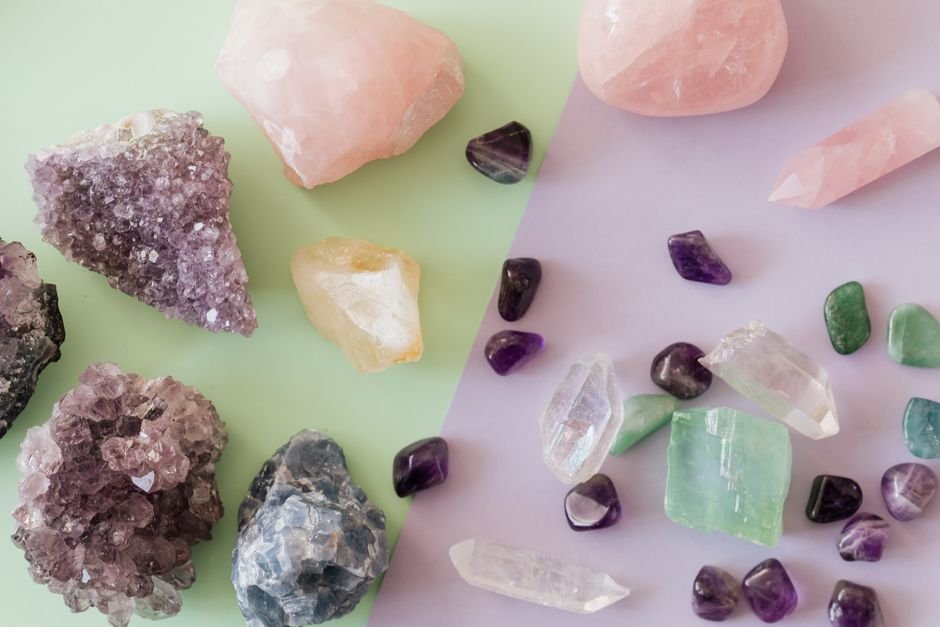
Short answer: There’s no fixed timeline for how long it takes for crystals to work — some people report a shift within minutes, others notice nothing for weeks or months, and skeptically speaking, “working” usually just marks the point where you consciously notice a change in mindset or mood. Realistically, plan for anywhere from a few days (for a subtle, in-the-moment calming effect) to 2–4 weeks (for a noticeable shift in mood, habit, or outlook), similar to how long any new mindfulness or habit-based practice takes to show results.
This guide breaks down what actually causes that variability, what science says the “timeline” is really measuring, what crystal traditions believe about faster vs. slower stones, and a simple way to track your own results so you’re not guessing.
How Long Does It Take for Crystals to Work? (Quick Answer)
There’s no universal number, and any article that gives you an exact day count is oversimplifying. What determines your personal timeline is less about the stone and more about four practical factors: how often you use it, how clear your intention is, how strongly you expect a result, and what kind of goal you’re working toward. A quick grounding effect during a stressful moment can feel almost immediate. A deeper shift — like feeling calmer overall, or building confidence — behaves more like a habit forming, which research shows typically takes weeks, not days.
What Actually Causes the Timeline to Vary
1. Frequency of use
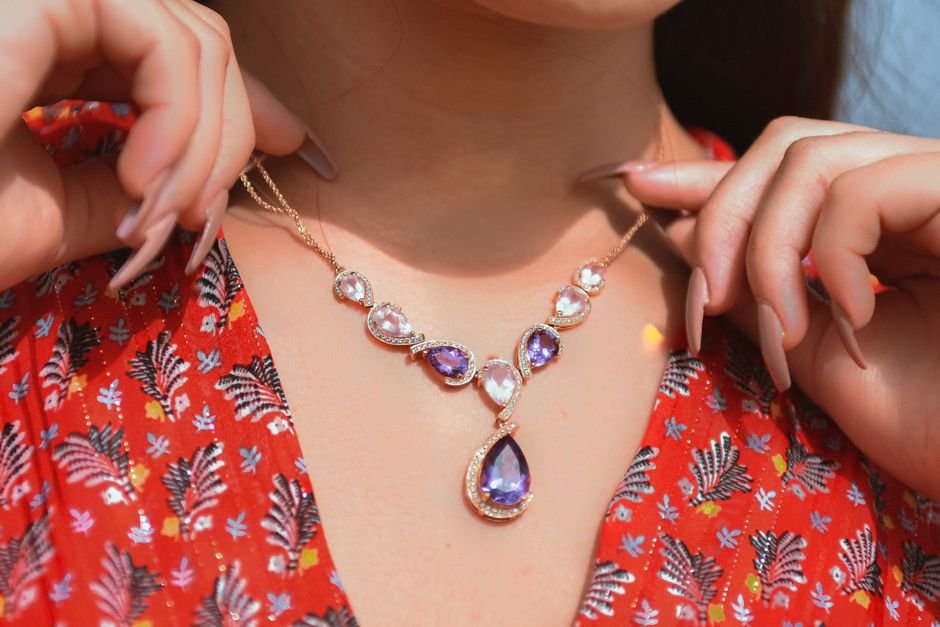
Holding a crystal once and putting it in a drawer for two weeks gives you almost no signal either way. Daily contact — wearing it, carrying it, or keeping it somewhere visible — is what most people who report results have in common.
2. Clarity of your intention
A vague goal (“I want good vibes”) is hard to notice progress on. A specific one (“I want to feel less anxious before meetings”) gives you something concrete to check in on day by day.
3. Belief and expectation strength
This is the single biggest driver of any felt effect, scientifically speaking. The stronger your expectation that something will happen, the more likely your brain is to register subtle shifts in mood or focus — this is the placebo mechanism, and it’s real even if the “energy” explanation isn’t proven. It’s also the main reason crystals seem to work for some people but not others.
4. Type of crystal
Traditionally, some stones are described as “fast-acting” (selenite, clear quartz, citrine) because they’re associated with immediate grounding or clarity, while others (moldavite, labradorite) are described as needing longer “attunement” for deeper transformational work. This is a belief-based distinction, not a tested or measurable one.
5. Type of goal
Quick emotional regulation (calming down before a stressful meeting) is a very different ask than long-term change (building lasting confidence or processing grief). The second category takes longer under any framework — habit science, therapy, or spiritual practice — because it involves sustained behavior change, not a single moment of relief.
What Crystal Traditions Believe About Fast vs. Slow Stones
Within crystal-healing belief systems, timing is explained very differently, and it’s worth understanding the framework even if you’re approaching it skeptically:
- “Fast” stones: Selenite, clear quartz, and amethyst are often described as offering quick grounding or stress relief, sometimes within the same meditation session, because their traditional associations are with immediate calm and mental clarity.
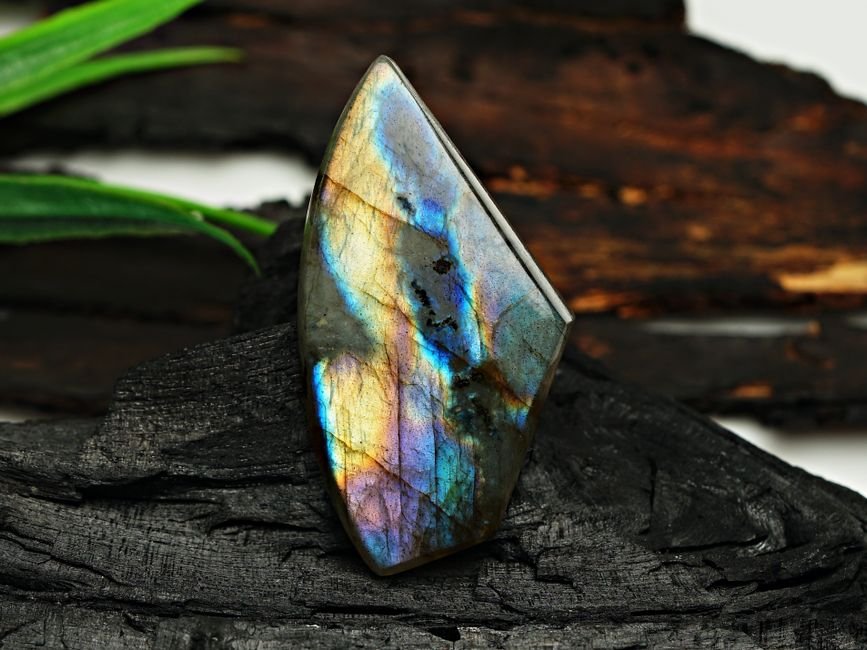
- “Slow” stones: Moldavite and labradorite are frequently described as requiring a longer “attunement” period — sometimes weeks — because their traditional use is tied to deeper transformation, shadow work, or major life change, which practitioners describe as inherently slower regardless of the tool used.
- Consistency over speed: Most crystal-healing sources, even within the belief system, emphasize that daily, intentional use matters more than which specific stone you pick — echoing the habit-formation research above, just through a different lens.
- Subtle vs. dramatic effects: Many practitioners describe crystal energy as cumulative and quiet, like water shaping a rock over time, rather than a single dramatic moment — which is a useful expectation-setting frame regardless of whether you believe in the underlying energy claim.
These are traditional and spiritual explanations, not scientifically validated facts. They’re presented here so you understand both the belief and the evidence-based view, not as confirmation that specific stones work faster than others.
Common Myths About Crystal Timing
- Myth: A “real” crystal always works within 24 hours. No tradition or research supports a fixed 24-hour window; even devoted practitioners describe results as ranging from immediate to several months.
- Myth: You should feel physical tingling as proof it’s working. Tingling or warmth is reported by some people and never by others, with the same stone — that’s consistent with a psychological/expectation effect, not a sign of a “stronger” or “weaker” crystal.
- Myth: If nothing happens fast, you got a dud stone. Slower or absent results are far more often explained by inconsistent use, an unclear intention, or a goal (like deep emotional healing) that simply takes longer under any framework, not a defective crystal.
- Myth: More crystals used together = faster results. Using many stones at once makes it harder to isolate which one, if any, is contributing to a change you notice — one or two stones with a clear intention is easier to actually evaluate.
How to Track Your Progress (So You Actually Know If It’s Working)

- Pick one crystal and one specific intention. Example: citrine for workplace confidence, not “citrine for good things.”
- Use it the same way, every day. Wear it, carry it, or place it on your desk — consistency is more important than the method you choose.
- Keep a one-line daily journal. Note your mood, one word for how the day went, and whether you used the crystal. This turns a vague feeling into a pattern you can actually review.
- Reassess at the 2-week and 4-week marks. Look back at your notes rather than trying to remember how you felt three weeks ago — memory is unreliable, especially for gradual change.
- Pair it with meditation for a clearer signal. A few minutes of quiet breathing while holding the stone gives you a consistent, low-distraction moment to check in with yourself, separating the ritual’s calming effect from everyday noise.
What Science Says About the “Crystal Timeline”
There’s no peer-reviewed research measuring how long it takes for a crystal specifically to “work,” because there’s no confirmed mechanism by which one would. But the timeline pattern people describe — small emotional lift within days, more noticeable shift after weeks of consistent use — closely mirrors two things science does understand well:
- Habit formation research. A widely cited 2009 study followed people forming new daily habits and found the average time for a behavior to feel automatic was about 66 days, with a range of 18 to 254 days depending on the person and the behavior. The popular “21 days” figure is a myth that traces back to a 1960s self-help book, not a scientific finding. This matters here because using a crystal daily is, functionally, a new habit, and its “stickiness” and felt effect likely follow the same variable curve.
- Placebo response timing. Clinical placebo research shows that expectation-driven effects can appear quickly (within a single session) for things like perceived pain relief, but tend to strengthen with repetition and ritual — which is consistent with why daily, intentional crystal use is reported to “feel” stronger over time even though the mineral itself isn’t changing.
- No dose-response relationship has been established. Because crystal healing lacks a demonstrated active mechanism, there’s no scientific basis for claims that a specific stone works in, say, exactly three days versus three months — those numbers come from tradition and personal anecdote, not measurement.
In short: the timeline you experience is almost certainly a mindset and consistency curve, not a property of the stone.
When You Shouldn’t Wait on a Crystal
If you’re dealing with urgent physical symptoms, a mental health crisis, or a diagnosed condition that needs treatment, don’t wait on a crystal’s “timeline” to see if it helps — that delay itself can be the risk. Crystals are a wellness accessory, not a monitored treatment with a known onset time. See a doctor or therapist for anything urgent, and treat crystal use as a complementary practice you do alongside professional care, not instead of it.
What to Do If Nothing Happens After a Month
A month of consistent, intentional daily use with no noticeable shift is a reasonable point to change your approach rather than keep waiting — our full troubleshooting guide on why isn’t my crystal working walks through every fix in detail. In short:
- Switch the method, not just the stone. If you were carrying it in a pocket, try wearing it as jewelry, meditating with it directly, or placing it somewhere you’ll see it constantly (like your desk or nightstand).
- Narrow your intention further. “Confidence” is broad; “feeling calm before I speak up in meetings” is specific enough to actually notice a change in.
- Consider that the ritual, not the stone, may be what’s helping — or not helping. If a structured, distraction-free few minutes of daily reflection isn’t producing results even without the crystal variable, that’s useful information about what kind of practice actually fits you.
Questions About Crystal Timelines
Should I feel tingling when using a crystal?
No — tingling isn’t a required or reliable sign that a crystal is “working.” Some people report warmth or a tingling sensation, and many people never feel anything physical at all, even with the exact same stone. Absence of a physical sensation doesn’t mean the practice isn’t providing value as a mindfulness or grounding ritual. For the signs people typically look for, see how do I know if my crystal is activated.
What if nothing happens after a month?
That’s a reasonable point to change your approach: try a different stone associated with a more specific intention, change the method (jewelry vs. meditation vs. placement), or reframe the practice as a mindfulness tool rather than expecting an energetic effect. It’s also worth checking whether your intention was specific enough to actually notice a shift in.
Do some crystals really work faster than others?
This is a traditional belief, not a scientifically tested claim. Stones like selenite and clear quartz are commonly described as “fast-acting” for grounding, while moldavite and labradorite are associated with slower, deeper transformation — but no controlled study has measured or confirmed a difference in “speed” between minerals.
Is it normal to feel nothing at all, ever?
Yes. Plenty of people use crystals consistently as part of a daily ritual and never feel a distinct physical or energetic sensation, while still finding the practice calming or grounding because of the routine and intention-setting itself, not a stone-specific effect.
How do I know if it’s the crystal or just placebo?
You likely can’t separate the two with certainty, and for wellness purposes, you may not need to. If a practice is calming, harmless, and not replacing needed medical care, whether the mechanism is “crystal energy” or expectation and ritual matters less than whether it’s genuinely helping you.
What a Realistic Timeline Looks Like
- There’s no fixed timeline for crystals to “work” — expect anywhere from days to a few months, depending on your goal and consistency.
- The biggest factors are frequency of use, clarity of intention, expectation, and whether your goal is a quick calming effect or deeper long-term change.
- The pattern mirrors habit-formation science (weeks, not days) and placebo response, not a proven property of the mineral itself.
- Track daily use in a simple journal and reassess at 2 and 4 weeks rather than relying on memory.
- Never delay medical or mental health treatment while waiting to see if a crystal “kicks in.”