Last Updated on August 19, 2026 by Umar Farooq
Short answer: A crystal usually feels like it “isn’t working” for one of five practical reasons: you chose the wrong stone for your intention, you skipped cleansing, you never set a clear intention, you expected results too quickly, or the stone itself is dyed glass rather than the mineral you paid for. Every one of those has a fix, and none of them require buying a “stronger” crystal. It’s worth knowing up front that there’s no peer-reviewed evidence crystals emit healing energy — so the calm or clarity people do feel comes from ritual, focused attention, and expectation. That isn’t a reason to stop; it means consistency and intention are the parts you actually control.
This guide breaks down exactly why your crystal might feel “dead,” what the science actually says, what crystal healers believe instead, and a step-by-step troubleshooting process you can start today.
Why Isn’t My Crystal Working? (Quick Answer)
Most people who feel their crystal “isn’t working” fall into one of two camps: they expected an instant, dramatic effect (which even crystal practitioners don’t promise), or they skipped a step — cleansing, intention-setting, or consistent use — that both spiritual and wellness-ritual frameworks consider essential. Either way, the experience is real to you — what changes the outcome is the routine around the stone, not the stone itself.
The 6 Most Common Reasons Crystals Feel Like They’re Not Working
1. You picked the wrong crystal for your intention
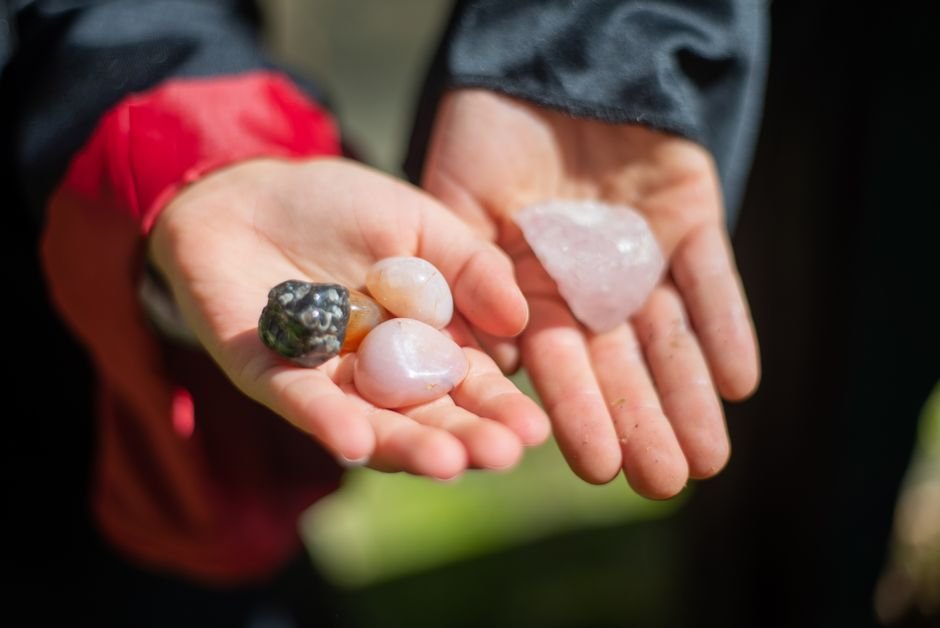
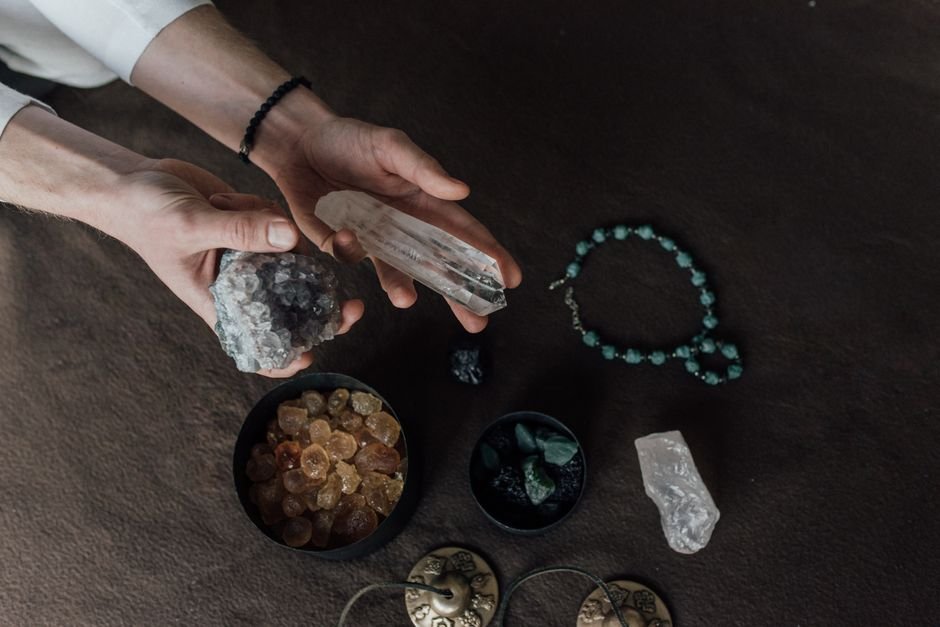
Every crystal is associated with a different traditional use — rose quartz for self-love and emotional calm, citrine for confidence, black tourmaline for protection, amethyst for stress relief. If you bought a crystal because it was pretty or trending on social media rather than matching it to what you actually want to work on, it’s reasonable that it won’t feel aligned with your goal. Mismatched intention is one of the top reasons people report disappointment.
2. The crystal was never cleansed
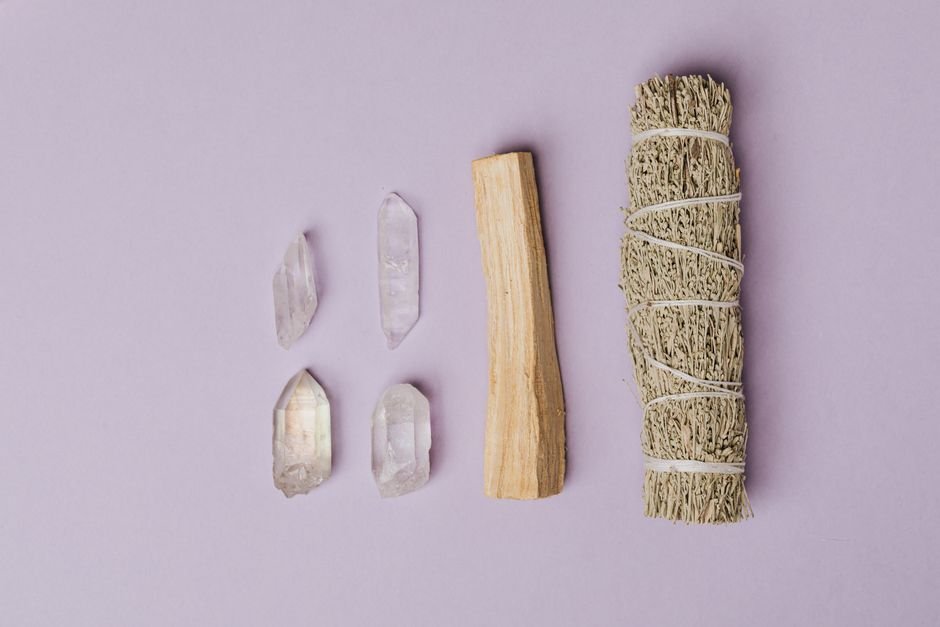
In crystal-healing tradition, stones are believed to absorb “energy” from mining, shipping, shop handling, and previous owners. Whether or not you buy into that belief, cleansing (via running water, moonlight, sound, sage smoke, or a selenite plate) is also a small ritual that resets your own attention and expectation toward the object — which is where any real, felt effect is likely coming from.
3. You never set a clear intention
Simply owning a crystal and waiting for something to happen is the single biggest gap between people who feel results and people who don’t. Spiritual practice frames this as “programming” the crystal; in plain terms, it’s the difference between passively carrying a rock and actively using an object as a focus point for a specific goal, similar to how a vision board or a mantra works.
4. You expected results overnight
Crystal practitioners themselves describe the effect as slow and cumulative, not instant. If you held a stone for five minutes and expected your anxiety to vanish, the letdown isn’t really about the crystal — it’s a mismatch between expectation and how subtle, ritual-based practices typically feel. For realistic timelines, see our full guide on how long crystals take to work.
5. Your use has been inconsistent
Wearing a crystal once, then leaving it in a drawer for three weeks, then trying again for a day, doesn’t give any ritual or mindfulness practice a fair test. Consistency — daily contact, meditation, or simply keeping it visible — is what most reproducible personal reports of “it’s working” have in common.
6. The crystal might not be genuine
A significant share of cheap “crystals” sold online are dyed glass, resin, or heat-treated quartz. Beyond the ethical letdown of paying for something misrepresented, if you believe authenticity matters to how a stone “feels,” an inauthentic piece can undercut your own confidence in the process — which matters most if your results depend on belief and expectation in the first place. And if it does turn out to be glass, it’s worth knowing whether a fake crystal has any energy at all. If you’re unsure about your stone, here’s how to tell if a crystal is real.
What Crystal Healers and Spiritual Practitioners Believe
Within crystal-healing traditions (rooted in Ayurvedic and New Age frameworks), the explanation for a “non-working” crystal is different from the scientific one, and it’s worth understanding even if you’re skeptical:
- Attunement: the idea that a crystal needs time to “sync” with your personal energy field before you’ll feel anything.
- Cleansing and charging: the belief that a stone picks up “stagnant” or mixed energy during mining, transport, and handling, and needs to be reset under running water, moonlight, or smoke before it can be effective.
- Co-creation, not command: many practitioners describe the relationship as a two-way one — the crystal “works with you,” not “for you” — which is used to explain why the same stone can feel powerful to one person and inert to another.
- Energy blockages: if you’re dealing with stress, trauma, or a chaotic environment, some traditions hold that this can prevent you from sensing subtle shifts, similar to trying to hear a quiet sound in a noisy room.
These are traditional and spiritual beliefs, not scientifically validated claims — and reputable crystal-healing sources themselves increasingly frame the practice as a wellness tool rather than a medical one.
Common Myths About Crystal Power
- Myth: Price equals power. A $200 raw amethyst geode isn’t inherently more “potent” than a $5 tumbled stone. Price reflects rarity, size, and clarity — not proven energetic strength.
- Myth: You should feel something immediately. Even devoted crystal healers describe the sensation as subtle, and many people never feel a physical “buzz” at all; that doesn’t mean the ritual isn’t providing value as a mindfulness practice.
- Myth: A “broken” or dropped crystal stops working. In most traditions, a cracked stone is considered to have simply “released” built-up energy — it isn’t a sign of failure.
- Myth: One crystal can fix a specific problem on its own. Most experienced practitioners describe crystals as a supportive tool alongside habits like meditation, journaling, or therapy — not a stand-alone solution.
Step-by-Step: How to Troubleshoot a Crystal That Isn’t Working

- Cleanse it first. Rinse under cool running water (skip this for water-soluble stones like selenite or halite), leave it under moonlight overnight, or pass it through incense smoke.
- Set one clear, specific intention. Instead of a vague “I want to feel better,” try something concrete: “I want to feel calmer during my commute.”
- Use it daily for at least two weeks. Carry it, wear it, or place it somewhere you’ll see and touch it every day — consistency matters more than duration per session.
- Verify it’s genuine. Check for consistent internal texture, natural inclusions, and cool-to-room-temperature touch; dyed glass often looks unnaturally uniform and feels lighter than real stone of the same size.
- Reconsider the crystal choice. If two weeks of consistent, intentional use hasn’t shifted anything, the stone’s traditional association may simply not match what you need right now — try a different one rather than assuming the practice itself has failed.
What Science Says About Crystal Energy
It’s important to separate belief from evidence here, because a lot of content online blurs the two.
- No peer-reviewed evidence supports crystal healing. Multiple reviews classify crystal healing as pseudoscience, noting that concepts like “energy fields” and “blocked chakras” cannot be measured or tested with scientific instruments.
- The placebo effect is well documented. A 2001 double-blind study at the University of London found that people using fake glass “crystals” reported the same sensations as those using real quartz — suggesting the felt effect comes from expectation, not the mineral.
- A 2025 randomized controlled trial on anxiety found that healing crystals only produced therapeutic effects in participants who already believed in them, and those effects didn’t exceed what would be expected from a standard placebo. In other words, belief — not the stone — was doing the work.
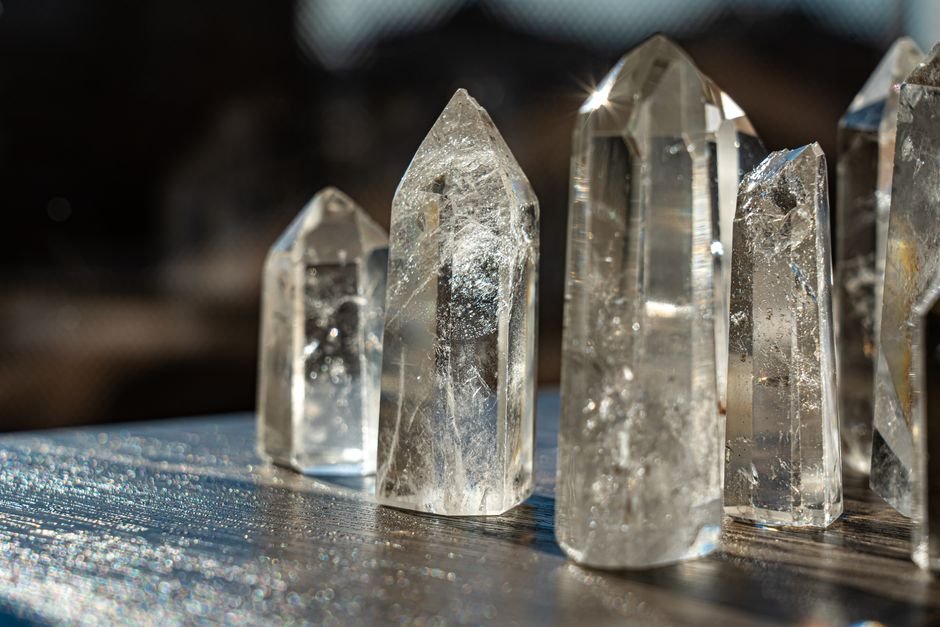
- The piezoelectric effect is real, but irrelevant here. Quartz crystals can generate a tiny electrical charge under pressure (used in watches and microphones), but there’s no evidence this minuscule charge interacts with the human body in any therapeutic way.
- What is real: ritual, mindfulness, and the act of pausing to focus on an intention have documented psychological benefits — reduced stress, improved mood, a sense of grounding — independent of whether a crystal is involved at all.
If your goal is measurable relief from a diagnosed condition like clinical anxiety, depression, or chronic pain, crystals should be a complement to care, never a replacement for medical or mental health treatment.
When Crystals Should Never Replace Professional Help
Crystals are a complementary wellness practice, not a treatment. If you’re using a crystal in place of prescribed medication, therapy, or medical care for anxiety, depression, chronic pain, or any diagnosed condition, that’s the one context where “it’s not working” is a genuinely important signal — it means you need a licensed professional, not a different stone. Crystals can sit alongside care from a doctor or therapist; they shouldn’t sit in for it.
What to Do If Your Crystal Still Isn’t Working After 2 Weeks
If you’ve cleansed it, set an intention, used it daily, and confirmed it’s genuine — and you still feel nothing — that’s useful information, not failure. Two reasonable next steps:
- Swap the stone. Try a crystal associated with a different, more specific intention (for example, moving from generic “positivity” quartz to citrine for confidence or lepidolite for calm).
- Reframe it as a mindfulness object. Use the crystal purely as a physical anchor for a 2-minute breathing or grounding exercise, rather than expecting an energetic effect. This keeps the ritual benefit — focus, pause, self-check-in — without relying on a claim science can’t support.
Crystal Not Working: Common Questions
Do crystals work at all?
There’s no peer-reviewed scientific evidence that crystals produce a measurable healing or energetic effect. Many people do report feeling calmer or more focused when using them, which researchers attribute to the placebo effect, the ritual of pausing and setting intentions, and simple mindfulness — all of which have documented psychological benefits on their own.
How long before I feel something from a crystal?
There’s no fixed timeline, and traditions vary — some practitioners describe noticeable shifts within days, others say it takes weeks of consistent use. A reasonable, evidence-informed benchmark is to try daily use for about two weeks before deciding whether to switch stones or approaches.
Can a crystal “stop working” over time?
In crystal-healing tradition, a stone that feels less effective is usually described as needing to be cleansed and recharged, not as permanently broken. There’s no scientific mechanism by which a mineral’s properties would change through use. We break this down fully in can a crystal stop working over time.
Is it bad if my crystal is fake or dyed?
It’s worth knowing either way. Dyed glass or resin isn’t harmful to use, but if authenticity matters to your sense of trust in the ritual, buying from a seller who discloses treatments (dyeing, heating) can matter more for your experience than for any measurable effect.
Should I stop using crystals for anxiety if they’re not helping?
Crystals should never replace treatment for diagnosed anxiety. If a stone isn’t providing comfort after consistent use, that’s a sign to lean more on evidence-based approaches — therapy, medication if prescribed, or mindfulness practice — rather than searching for a “stronger” crystal.
What to Remember When a Crystal Feels Flat
- The most common practical reasons a crystal “isn’t working” are: wrong stone for the intention, no cleansing, no clear intention, inconsistent use, unrealistic timelines, or an inauthentic stone.
- Spiritual traditions explain the same issue through concepts like attunement, blocked energy, and the need for cleansing — useful as ritual, not as medical fact.
- There is no scientific evidence that crystals produce a measurable energetic effect — any benefit is best explained by placebo, ritual, and mindfulness.
- Give a troubleshooting process (cleanse, intend, use daily for 2 weeks, verify authenticity) a real try before switching stones.
- Never use crystals as a substitute for medical or mental health treatment.