
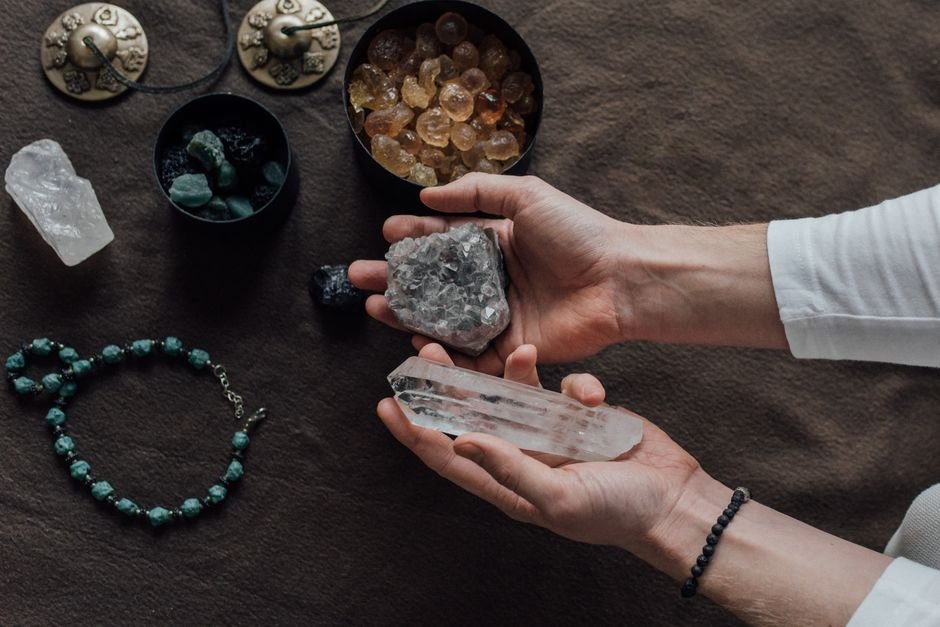
Does a fake crystal have any energy? Scientifically, no — and neither does a genuine one, at least not in the sense crystal healing describes. Glass and resin have no documented energetic properties, but that’s equally true of natural quartz or amethyst: no controlled study has ever measured a healing “energy” coming from either material. Within belief frameworks, though, many practitioners argue that intention matters more than material, meaning a “fake” crystal can still serve a real symbolic or ritual purpose for the person using it.
This guide covers what the research actually shows, why so many people ask this question after learning a piece they own is fake, the myths that create unnecessary guilt or shame around it, and what to actually do next — whether that’s continuing to use the piece or seeking a refund.
Why People Ask This Question
This question almost always comes from a specific, relatable place: disappointment. Someone learns, often after using a piece for months or years, that what they believed was a genuine amethyst or rose quartz is actually dyed glass or resin. The most common motivations behind asking whether a fake crystal still has energy are:
- Disappointment after learning a piece is fake, especially if it was a gift, an heirloom, or something used regularly
- Wanting reassurance that a practice wasn’t “wasted” — if months of meditation or intention-setting happened with a fake stone, people want to know whether that time still mattered
Both of these are completely understandable, and the honest answer doesn’t require dismissing either concern.
What Science Says About Energy in Both Real and Fake Crystals

Here’s the part that often surprises people: science doesn’t just say fake crystals lack “energy” — it says there’s no verified energy in genuine crystals either, at least not the kind crystal healing describes. According to Wikipedia’s overview of crystal healing, researchers have found no scientific basis for the energy concepts crystal healing relies on, and treat them as spiritual or belief-based framing rather than measurable physical phenomena.
The mechanism that does appear to be real is the placebo effect. Per Healthline’s review of the research, a controlled study had participants meditate holding either a genuine quartz crystal or an indistinguishable fake, and the two groups reported statistically the same effects — meaning the benefit came from belief and expectation, not from any property specific to the mineral. (That same study also explains why crystals work for some people but not others.) This is a genuinely important finding for the exact question in this article’s title: if real and fake crystals produce the same reported effect in a controlled setting, then whatever benefit someone feels from either one isn’t coming from a difference in material.
The Spiritual View: Intention Over Material
Within many crystal-healing traditions, this scientific finding actually lines up with something practitioners have argued for a long time, even if they frame it differently. Some traditions hold that intention and belief drive the effect of crystal work, not the material itself — meaning even glass or resin can serve as a legitimate focus object for meditation, manifestation, or ritual. In this view, a crystal functions similarly to a candle in a ritual, or a specific chair used for daily meditation: the object anchors attention and intention, and that anchoring is where the value comes from, regardless of what the object is made of.
This isn’t a universal position — plenty of practitioners do believe natural origin matters and prefer verified genuine stones specifically for that reason. But it’s a well-represented view within crystal-healing communities, not a fringe rationalization invented to make people feel better about owning a fake.
Common Myths About Fake Crystals and Energy
- Myth: Only “real” crystals can be used in ritual. This isn’t a consistent belief even within crystal-healing traditions — many practitioners explicitly use glass, resin, or synthetic pieces as intentional focus objects, particularly for beginners or for lower-stakes daily practices.
- Myth: Fakes are entirely worthless spiritually. This overstates the case in the other direction. Even from a strictly scientific standpoint, a fake crystal used in a meditation or intention-setting ritual can support the same placebo-driven, attention-focusing benefit a genuine stone would — the object doesn’t need to be “real” for that psychological mechanism to work.
- Myth: Discovering a piece is fake means your past practice with it doesn’t count. If a ritual, meditation session, or intention-setting practice felt meaningful or helpful at the time, that experience isn’t retroactively erased by learning the material wasn’t what you thought it was.
How to Decide What to Do With a Fake Crystal You Already Own
- Decide if authenticity matters to you personally. Some people are drawn specifically to the idea of a stone formed naturally over millions of years; others care more about the ritual and the object’s role in it. Neither answer is wrong.
- If authenticity doesn’t matter to you, continue using the piece. Nothing about a fake crystal makes it unsafe or ineffective for a symbolic or ritual purpose, based on everything covered above.
- If authenticity does matter to you, replace it with a verified natural stone. That’s a completely reasonable preference, and there’s no need to justify it beyond simply knowing what matters to your own practice. (Finding trustworthy sellers is covered in why are fake crystals everywhere.)
- Separately, check how the piece was sold. This is a different question from the spiritual one, covered next. (If you’re not yet sure the piece is fake at all, run the checks in how to tell if a crystal is real first.)
When This Isn’t a Spiritual Question at All
It’s worth being clear about where this framework stops applying. This entire discussion doesn’t apply when the stone was sold fraudulently as genuine at a “real” price — that’s a consumer protection issue, not a spiritual one. If you paid a natural-stone price for something that was actually glass or dyed resin, and the seller misrepresented it, that’s a straightforward misrepresentation problem separate from any question about ritual value. The FTC’s Jewelry Guides require sellers to truthfully represent what they’re selling, including material and treatment — and while those specific guides apply most clearly to mounted jewelry rather than loose crystals, the underlying principle (you’re entitled to accurate information about what you’re paying for) still supports seeking a refund or replacement when a seller misrepresented a stone’s authenticity.
FAQs
Should I return a fake I already used?
Using a piece doesn’t forfeit your right to a refund if it was misrepresented at the time of purchase. If a seller sold a piece as genuine natural stone and it turns out to be glass, resin, or dyed material, that’s grounds to request a refund or replacement regardless of how long you’ve had or used it — reputable sellers typically honor this, and many marketplaces have buyer-protection programs specifically for misrepresented items.
Does it matter for meditation practice?
Not in any way that’s been scientifically demonstrated. Since controlled research shows people report the same effects holding real versus fake crystals during meditation, the material itself doesn’t appear to be doing the work — your attention, breathing, and intention are. If a piece has supported your practice, that support doesn’t depend on the stone being genuine.
If placebo is doing the work, does that mean crystal healing is “fake” too?
Not exactly — it means the mechanism is different from what’s typically claimed, not that the experience itself is invalid. A placebo-driven sense of calm or focus is a real psychological effect, even though it isn’t caused by an energy field emanating from the stone. Many people find this framing more honest rather than less meaningful.
Can I tell the difference in how a fake crystal “feels” versus a real one?
Not reliably, based on the available research — the controlled study comparing real and fake crystals during meditation found no meaningful difference in reported experience between the two groups. Any felt difference is far more likely to come from knowing (or suspecting) which one you’re holding than from any property of the material itself.
Is it dishonest to keep using a crystal I now know is fake?
No. There’s nothing dishonest about continuing a personal ritual practice with an object you know isn’t a genuine mineral, as long as you’re not misrepresenting it to others. The only ethical issue is on the seller’s side, if they knowingly sold it as something it wasn’t.
Key Takeaways
- Does a fake crystal have any energy? No — but neither does a genuine one, in the scientifically verified sense. The placebo effect appears to be the real mechanism behind reported benefits for both.
- Within belief frameworks, many practitioners hold that intention matters more than material, meaning a fake crystal can still serve a legitimate ritual or symbolic purpose.
- Whether to keep using a fake crystal is a personal preference question, not a right-or-wrong one — it depends entirely on whether authenticity itself matters to you.
- If a stone was sold as genuine and misrepresented, that’s a separate consumer protection issue worth pursuing regardless of how you feel about the spiritual question.
Leave a Reply