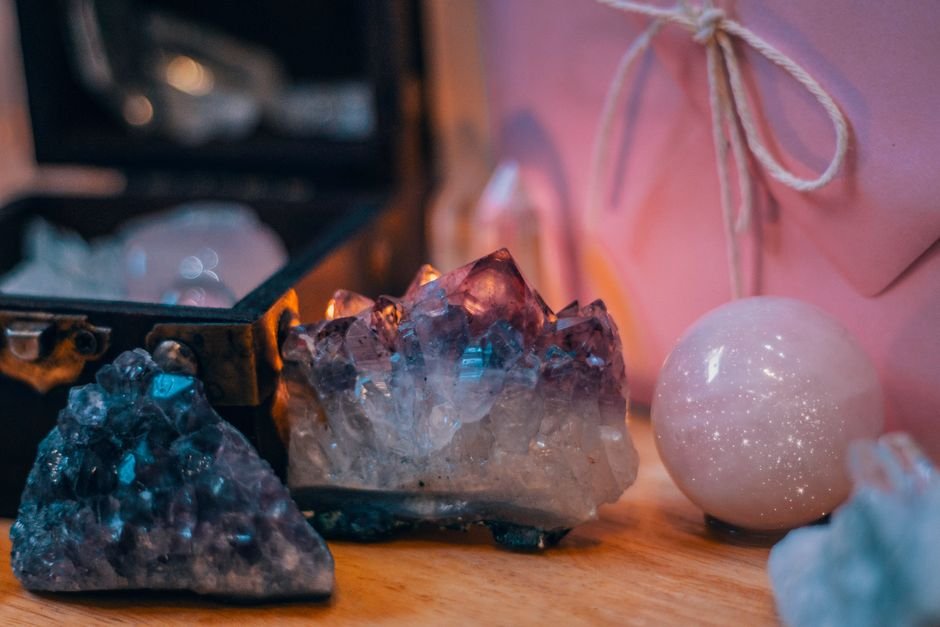
Fake crystals are everywhere for a simple combination of reasons: high consumer demand from the growing wellness market, the low cost of producing glass and resin imitations, limited buyer knowledge of how to verify a stone, and — perhaps most surprisingly — almost no regulation specifically governing loose crystal sales. Together, these make fakes cheap to produce, easy to sell, and rarely challenged.
This guide breaks down exactly why the market got this way, which crystals are targeted most, the myths that lead buyers astray, and a clear process for finding sellers you can actually trust.
The 5 Real Reasons Fake Crystals Are Everywhere
- Explosive demand from the wellness trend — crystal sales have grown into a multi-billion-dollar global market
- Glass and resin are cheap to produce and color — a fake can be manufactured for a fraction of what a genuine stone costs to mine and cut
- Most buyers can’t verify authenticity — few people own a loupe, know the Mohs scale, or can spot a bubble under magnification
- Rare stones get specifically targeted — high-demand, hard-to-source stones like moldavite are faked disproportionately often
- There’s almost no regulation — loose, unmounted crystals largely fall outside existing consumer-protection rules that do cover jewelry
Each of these compounds the others: high demand plus low verification plus low enforcement is exactly the environment where fakes thrive.
How Big Is the Fake Crystal Problem, Really?
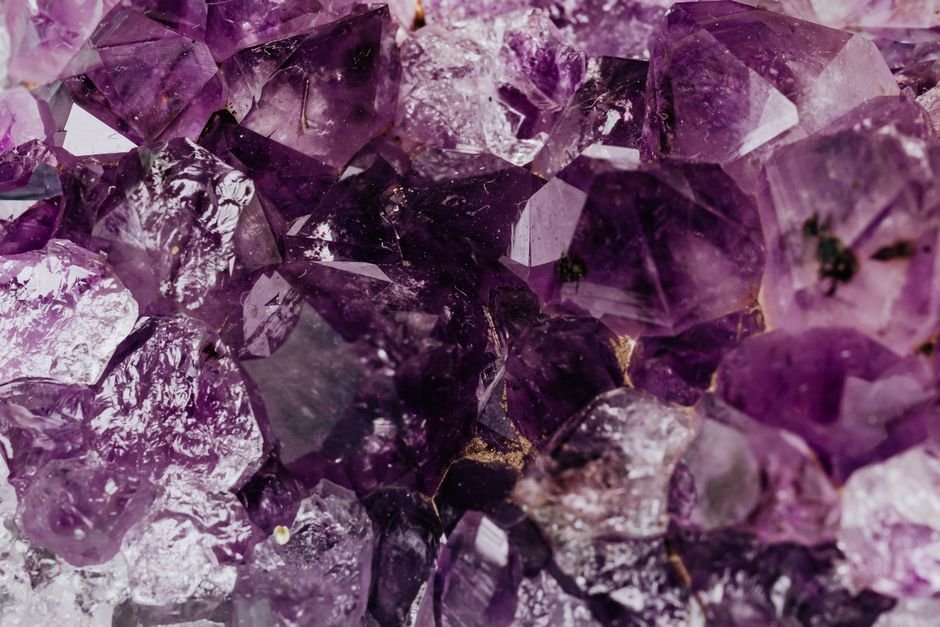
This isn’t a fringe concern. According to a Popular Science investigation into the crystal industry, industry insiders — including crystal miners, wholesalers, and mineral identification specialists — describe forgeries and misrepresentations as widespread, and some experts believe the problem is getting worse. The same investigation reports that China’s Donghai County, known as the “crystal capital of China,” sold nearly $2 billion worth of crystals online in an eight-month period in 2021 alone — a 40% increase over the same period the year before, driven largely by the pandemic-era wellness boom.
That scale matters because it explains the economics: when a market grows that fast, supply has to scale just as quickly, and glass and resin scale far more easily than genuinely mined and cut minerals.
Why Regulation Doesn’t Catch This
Here’s the part most articles on this topic miss entirely, and it’s arguably the most important reason fakes persist: loose crystals largely fall through a regulatory gap. The FTC’s Jewelry Guides require marketers to truthfully represent the type, treatment, and origin of gemstone products — but according to the Popular Science investigation, the FTC confirmed it has no rules specifically governing how loose crystals and minerals must be represented when they aren’t part of a mounted jewelry item. The Jewelry Guides’ protections kick in once a stone is set in jewelry; an unmounted “crystal” sold as a standalone specimen for a nightstand or altar isn’t covered the same way.
Marketplaces themselves largely leave enforcement to their own policies. eBay and Etsy both point to buyer-protection and refund programs rather than proactive screening, and sellers who get flagged can often simply open a new account. The result is what one geologist quoted in the Popular Science piece called a “Wild West” of misrepresented minerals online, with essentially no one actively policing listings before they go live.
What Makes Fake Crystals So Cheap and Easy to Produce
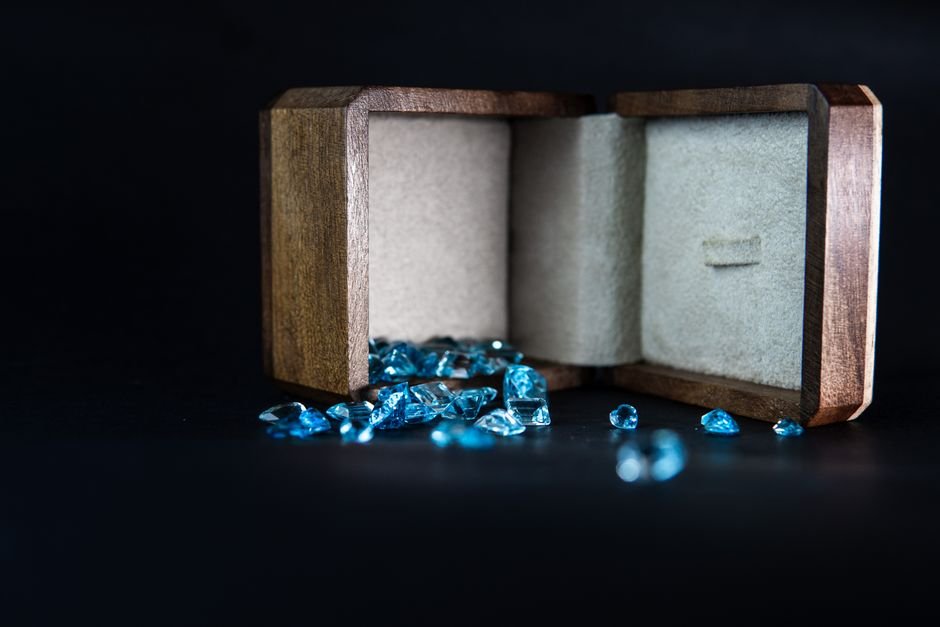
The materials themselves are part of the story. Glass and resin can be color-matched to mimic almost any natural stone’s appearance, molded into convincing shapes, and manufactured at massive scale for a fraction of the cost of mining, cutting, and polishing genuine mineral specimens. Because most buyers shop from photos alone — especially online — visual similarity is often enough to close a sale, even when the material underneath is completely different from what’s advertised.
Rare and high-demand stones are targeted disproportionately. Moldavite is a frequently cited example: genuine moldavite is a natural glass formed by a meteorite impact millions of years ago, found only in a small region of the Czech Republic, and priced accordingly. When it went viral on social media, fake moldavite — usually ordinary green glass — flooded online marketplaces to meet demand that far outstripped the real supply (see how to identify fake moldavite for the specific tells). The same pattern shows up with citrine (often just heat-treated amethyst sold without disclosure — covered in is heat-treated citrine worth buying), turquoise (frequently replaced with dyed howlite or magnesite), and “aura” or rainbow-coated crystals (genuine quartz coated with metal, sometimes disclosed and sometimes not).
Common Myths About Fake Crystals
- Myth: All cheap crystals are fake. This isn’t true. Some genuine stones — clear quartz, tiger’s eye, amethyst from abundant deposits — are naturally inexpensive because they’re common in nature, not because they’re imitations. Price alone isn’t a reliable authenticity signal in either direction.
- Myth: Only online sellers sell fakes. Misrepresented and treated stones show up in physical shops too, sometimes because the shop owner genuinely doesn’t know what they’re selling, having bought a wholesale batch based only on a supplier’s label. The problem often starts upstream in the supply chain, not at the point of sale.
- Myth: Treated stones are automatically “fake.” Heat-treated citrine, irradiated smoky quartz, and coated aura quartz are still genuine mineral material — they’re treated, not fabricated from glass or plastic. The issue is disclosure, not the treatment itself; a seller who’s upfront about a treatment is behaving honestly even if the stone isn’t 100% untreated.
When This Doesn’t Apply: Buying Decorative “Crystal-Style” Items on Purpose
None of this is a problem if you’re intentionally buying decorative, crystal-style items that are honestly labeled as such. This framework doesn’t apply when you’re purchasing intentionally-labeled decorative pieces — colored glass “crystals,” resin decor, or costume jewelry sold clearly as imitation. The concern here is specifically about material being misrepresented as natural mineral when it isn’t, not about decorative glass existing at all.
How to Avoid Buying Fake Crystals
- Research the seller before buying, not just the stone. Look for sellers who disclose sourcing, mine locations, or supplier information rather than vague marketing copy.
- Check reviews that specifically mention authenticity, not just shipping speed or packaging — generic five-star reviews don’t tell you much about whether the stone matched its description.
- Start with reputable, established gem or mineral shops, gem and mineral shows, or dealers with a verifiable track record, especially for rare or high-value stones like moldavite.
- Learn basic identification tests (bubbles under a loupe, a careful scratch test, weight and temperature checks) so you can catch obvious fakes yourself — how to test a gemstone at home walks through all four.
- Ask directly for origin or certification on higher-value pieces. A knowledgeable, honest seller will answer specific questions about where a stone came from and whether it’s been treated; evasive answers are a red flag on their own.
FAQs
Are big retailers selling fakes too?
Not typically knowingly, but misrepresented stones do turn up even among established sellers, usually because the mistake happened upstream — a retailer bought a wholesale batch and trusted their supplier’s labeling without independently verifying it. Larger, longer-established retailers with transparent sourcing practices are generally lower-risk than anonymous marketplace listings, but no seller type is entirely immune.
How do I find trustworthy sellers?
Look for sellers who volunteer sourcing details (mine location, supplier information) without being asked, respond specifically and confidently when you ask direct questions about origin or treatment, and have reviews that describe the actual physical stones customers received rather than just generic praise. Established gem and mineral shows and long-running specialty shops tend to be lower-risk than brand-new, unverified online storefronts.
Why are certain crystals like moldavite faked so often?
Because genuine supply is extremely limited (moldavite is only found in one small region) while demand — especially after viral social media attention — is enormous. That gap between scarce genuine supply and huge demand is exactly the condition that makes counterfeiting profitable; the same dynamic hits any stone that suddenly trends.
Is it ever okay to buy a “fake” crystal on purpose?
Yes. If a piece is honestly labeled as glass, resin, or dyed material and you like it for its color or price, there’s nothing deceptive about that purchase. The problem is specifically when imitation material is sold as natural mineral without disclosure.
Does a low price always mean a crystal is fake?
No. Some genuine stones are naturally common and inexpensive. What’s more telling than price alone is price relative to a stone’s actual rarity — a genuinely rare, hard-to-source stone (like moldavite) offered at a bargain price relative to its established market value is a much stronger red flag than an inexpensive but common stone like clear quartz.
Key Takeaways
- Fake crystals are everywhere because of a combination of surging wellness-driven demand, cheap glass/resin production, low buyer verification, and — critically — a real regulatory gap that leaves loose crystals largely unprotected compared to mounted jewelry.
- Rare, high-demand stones like moldavite are targeted disproportionately, since scarce genuine supply next to viral demand is exactly the gap counterfeiters exploit.
- Cheap doesn’t automatically mean fake, and treated doesn’t automatically mean fake either — disclosure, not price or treatment alone, is the real signal to watch for.
- The best protection is a combination of seller research, authenticity-focused reviews, and basic identification skills — no single check is enough on its own.
Leave a Reply