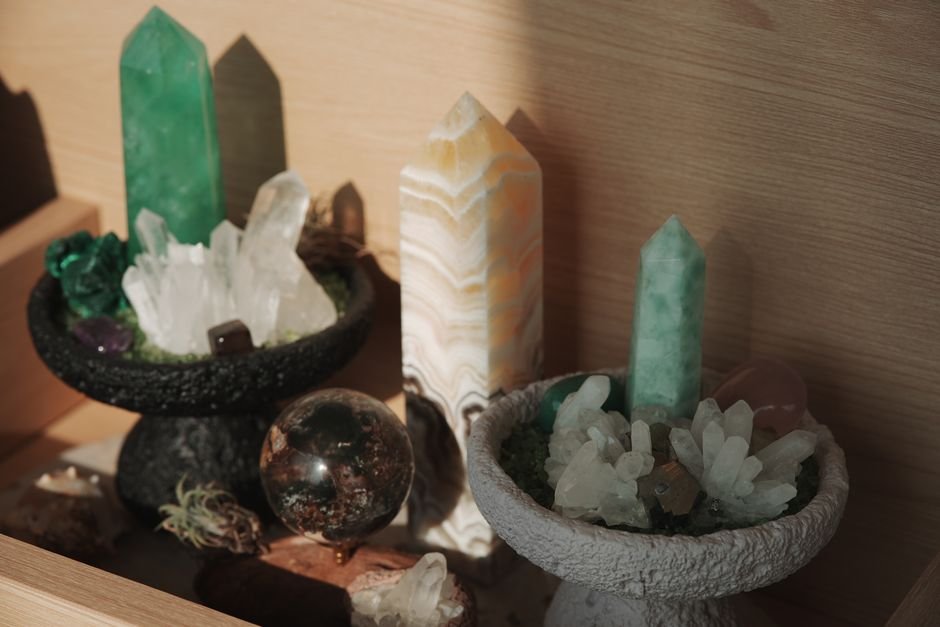
If you’re wondering where to buy genuine crystals, your most reliable options are reputable mineral and gem shops, certified gem dealers, in-person gem and mineral shows, and established online retailers with transparent sourcing and clear return policies. No single source guarantees authenticity every time, which is exactly why combining a trustworthy source with your own verification habits (reviews, seller questions, return policies) matters more than picking any one “best” place.
This guide covers each of these sources in detail, why the market makes this harder than it should be, the myths that lead people to the wrong shops (or away from the right ones), and a clear process for vetting any seller before you buy.
The 5 Most Trusted Sources for Genuine Crystals
- Established local mineral and gem shops — especially ones with a long operating history and staff who can answer sourcing questions
- Certified gem dealers — sellers affiliated with recognized gemological organizations who can speak knowledgeably about origin and treatment
- Gem and mineral shows — in-person events where you can examine stones directly and talk to miners or dealers face-to-face
- Established online retailers with transparent sourcing — sellers who disclose mine locations, treatments, and offer clear return policies
- Mineral collector forums and communities — places where buyers share firsthand experiences with specific sellers, helping you vet a shop before you commit
None of these sources is foolproof on its own — even reputable retailers occasionally receive mislabeled stock from their own suppliers. Combining a trustworthy source type with the verification steps below is what actually protects you.
Why This Is Harder Than It Should Be
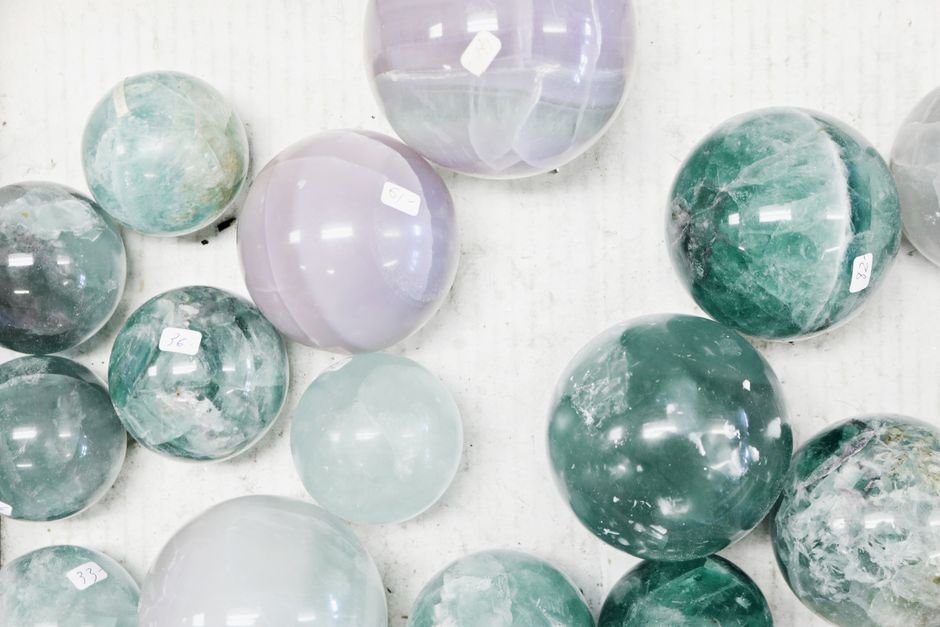
The core problem is an oversaturated market with wildly mixed seller quality, combined with a lack of standardized certification that casual buyers can rely on. Big marketplaces like Etsy, Amazon, and eBay host thousands of independent sellers, ranging from careful, knowledgeable dealers to dropshippers who’ve never verified their own stock. (The market dynamics behind this are covered in why are fake crystals everywhere.) Unlike diamonds or fine gemstones set in jewelry, loose decorative crystals aren’t consistently covered by the kind of certification infrastructure that exists for higher-value gem trade — there’s no universal “crystal passport” a casual buyer can check before purchasing a tumbled amethyst or a rough quartz cluster.
This is exactly why source selection matters as much as it does: a seller’s track record and transparency become your main protection, since there’s no simple certificate check available for most everyday crystal purchases the way there is for, say, a graded diamond.
What to Look for in a Reputable Seller
The International Gem Society’s supplier standards — developed from years of experience across the gem trade — offer a genuinely useful, non-commercial checklist that applies just as well to crystal sellers as to fine gem dealers:
- Accurate descriptions, including disclosure of any enhancements or treatments
- Clear, actual photos of the specific item, not generic stock images
- A clearly explained return policy, including the return period and how much gets refunded
- Willingness to answer questions about sourcing, origin, and treatment without evasiveness
- Prompt, direct communication rather than vague or delayed responses
A seller who checks these boxes is a meaningfully safer bet than one who doesn’t, regardless of whether they’re a local shop, an online store, or a gem show vendor.
Gem Shows: Are They Worth It?
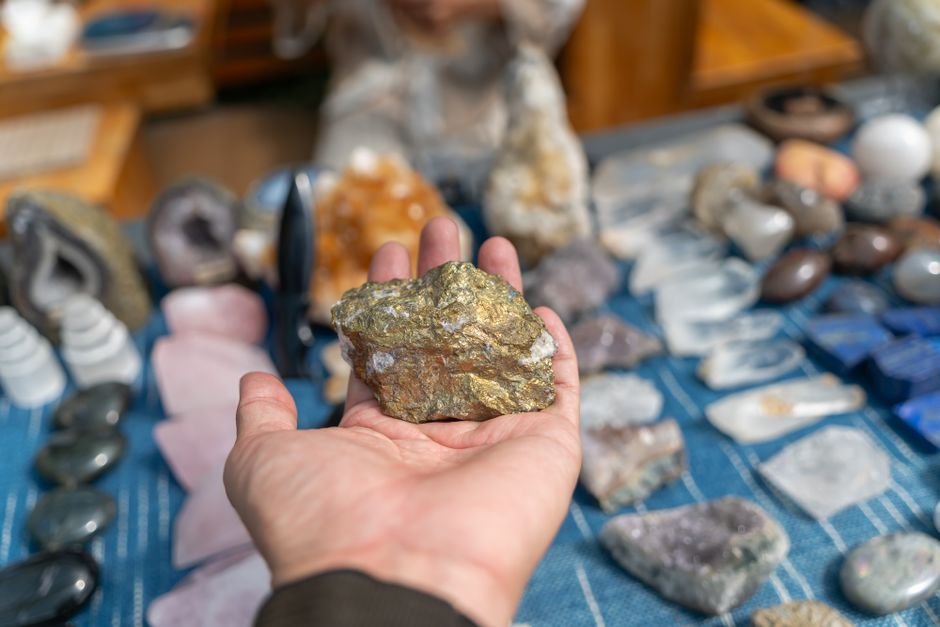
Gem and mineral shows are one of the most underrated sources for genuine crystals, largely because they let you do something no online listing can offer: examine the actual stone in person before buying. You can check for the cloudiness, weight, and temperature cues covered in how to test a gemstone at home, and you can talk directly to miners, wholesalers, and dealers who often know exactly where their material came from. Major annual events like the Tucson Gem and Mineral Show and the Denver Gem and Mineral Show attract both trade buyers and the general public, and they’re an especially good venue if you’re buying anything higher-value or rare, where seeing the piece firsthand matters most.
The tradeoff is accessibility — not everyone lives near a major show, and smaller local shows vary widely in vendor quality just like online marketplaces do. But for anyone serious about building an authentic collection, even one visit to a reputable show is a good way to calibrate what genuine material actually looks and feels like.
Common Myths About Where to Buy Crystals
- Myth: All big-box or online retailers sell fakes. This isn’t accurate. Quality varies enormously by individual seller, not by platform type — a well-vetted Etsy shop with transparent sourcing can be more reliable than an anonymous local shop, and vice versa. The platform matters less than the specific seller’s track record.
- Myth: Local shops are automatically more trustworthy than online sellers. Physical presence doesn’t guarantee authenticity. Local shop owners can be just as uninformed about their stock’s origin as an online dropshipper, particularly if they’re buying pre-packaged wholesale lots without independently verifying them.
- Myth: A certificate always means genuine. Certification helps, especially from a recognized gemological lab, but it’s typically reserved for higher-value stones — and even expert opinions have tiers of certainty, as explained in can experts tell fake crystals instantly. Most everyday tumbled crystals and rough specimens are sold without any formal certification at all, which makes seller reputation and transparency the more practical everyday signal.
How to Vet Any Seller Before You Buy

- Check reviews that specifically mention authenticity, not just shipping speed or packaging quality. A review describing what the actual stone looked like on arrival tells you far more than a generic five-star rating.
- Ask the seller directly about sourcing and treatment. A knowledgeable, honest seller answers specific questions (where a stone was mined, whether it’s been heat-treated or dyed) without hesitation; evasive or vague answers are a red flag on their own.
- Look for a clear return and refund policy before you buy, not after a problem shows up. Per the standards above, this should spell out the return window and exactly how much gets refunded.
- Attend gem or mineral shows when you can, even occasionally, to build a feel for what genuine material looks, weighs, and feels like — that experience makes you a sharper online buyer too.
- Search mineral collector forums for the specific seller you’re considering. Firsthand buyer experiences, especially detailed ones, are one of the most reliable ways to vet a shop you haven’t bought from before.
When This Doesn’t Apply: Buying Budget Decorative Pieces on Purpose
None of this vetting is necessary if authenticity genuinely isn’t your goal. This framework doesn’t apply when the buyer intentionally wants budget decorative pieces rather than verified natural stones. If you’re looking for an inexpensive, attractive piece of colored glass or resin for your desk and you know that’s what you’re buying, there’s nothing wrong with that choice — the concern here is specifically about verifying authenticity when it matters to you, not about decorative material existing at all.
FAQs
Are gem shows worth it?
Yes, especially if you’re buying anything higher-value or want to build genuine identification skills. Being able to examine a stone in person and speak directly with the person who sourced it is a level of verification online listings simply can’t offer. Major shows like Tucson and Denver draw both trade professionals and hobbyists, making them accessible even if you’re new to buying crystals.
What red flags should I watch for online?
Vague or stock product photos instead of images of the actual item, sellers who can’t or won’t answer specific sourcing or treatment questions, unclear or missing return policies, and prices that seem far too low for a stone’s known rarity are the clearest warning signs. According to IGS supplier standards, a reputable seller should be transparent on all of these points as a baseline, not an exception.
Should I only buy from sellers with certificates?
Not necessarily — most everyday crystals aren’t formally certified, and requiring certification for every purchase would rule out the vast majority of reputable small sellers and gem show vendors. Certification is genuinely valuable for higher-value or rare specimens, but for typical crystal purchases, seller transparency and track record are the more practical everyday signal.
Is it safe to buy crystals from Etsy or Amazon?
It can be, but seller quality varies enormously on both platforms since they host thousands of independent, unvetted sellers. The platform itself isn’t the deciding factor — an individual seller’s reviews, transparency about sourcing, and return policy matter far more than which marketplace they’re listed on.
How do I find a trustworthy seller through a mineral collectors’ forum?
Search the forum for the specific seller’s name before you buy, and look for detailed posts describing what buyers actually received compared to what was advertised. Communities built around mineral collecting tend to be candid about both good and bad experiences, and a seller with consistently verified sourcing photos and positive firsthand reports is a strong signal worth trusting.
Key Takeaways
- Where can you buy genuine crystals? Reputable mineral shops, certified dealers, gem and mineral shows, and transparent online retailers are your most reliable starting points — no single source guarantees authenticity on its own.
- The market is genuinely harder to navigate than it should be, since most everyday crystals aren’t covered by standardized certification the way fine gemstones are.
- Seller transparency (sourcing disclosure, clear return policy, willingness to answer questions) is a more practical everyday signal than platform type or physical location.
- If you’re intentionally buying budget decorative pieces rather than verified natural stones, none of this vetting is necessary — the goal only matters if authenticity matters to you.
Leave a Reply