
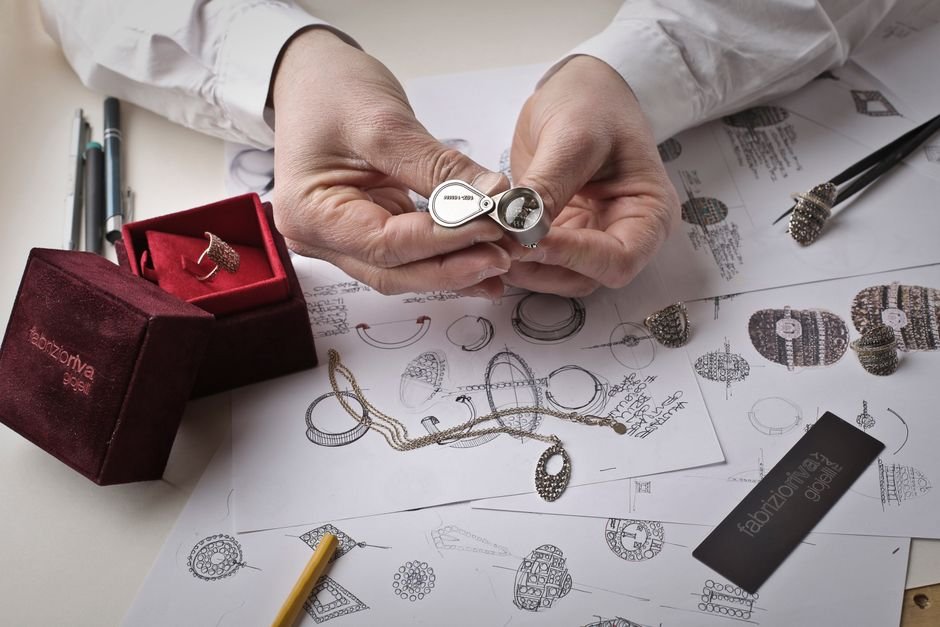
Can experts tell fake crystals instantly? Often, yes — an experienced gemologist can frequently spot an obvious fake (dyed glass, an air bubble, a suspiciously uniform color) within seconds using nothing more than a loupe and trained eyes. But “instantly” has real limits: some high-quality synthetics and sophisticated treatments are chemically and optically close enough to the genuine mineral that even a skilled expert needs lab equipment — a refractometer, spectroscope, or specific gravity measurement — to confirm the identification definitively.
This guide covers what experts can and can’t determine at a glance, the tools that separate a quick visual call from a lab-confirmed one, the myths that overstate anyone’s ability to “just know,” and how to figure out whether your own stone needs professional testing at all.
Can Experts Really Tell Instantly? The Short Answer
Split this into two categories, because the honest answer depends entirely on which one applies:
- Obvious fakes: usually yes, instantly. Round air bubbles under a loupe, mold seams, unnaturally uniform color, or a stone that scratches far too easily are things a trained gemologist recognizes almost immediately — often in the time it takes to glance through a loupe. (The same red flags you can learn to spot yourself are in how to tell if a crystal is real.)
- Sophisticated synthetics and treatments: often no, not without equipment. A well-made synthetic that shares the genuine mineral’s chemical composition, or a subtly treated natural stone, frequently requires instrument-based testing to confirm with real confidence — visual inspection alone isn’t enough.
Both of these are true simultaneously, which is exactly why the framing “can experts tell instantly” needs a more nuanced answer than a flat yes or no.
Why Some Fakes Require More Than a Glance
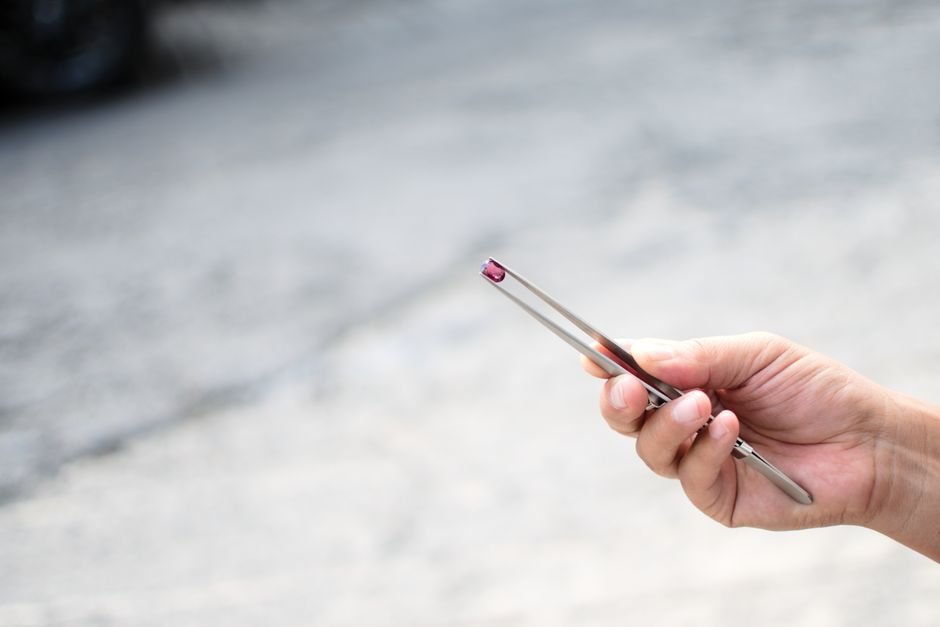
The core difficulty is that high-quality synthetics can be chemically identical to natural stones. A lab-grown quartz crystal, for example, is genuinely quartz — same silicon dioxide composition, same crystal structure — grown in weeks rather than formed over millions of years underground. (The lab-grown vs. dyed vs. glass distinction is unpacked in how to spot fake amethyst.) Because the chemistry matches, many of the simple visual or physical cues that catch cruder fakes (bubbles, wrong hardness, wrong density) don’t apply. The differences that remain are often extremely subtle: growth patterns invisible without magnification, trace element signatures, or optical properties that require a specific instrument to measure.
This is a genuinely different problem from spotting glass sold as quartz. Glass and quartz have different chemistry, so nearly any physical test exposes the mismatch. Synthetic quartz and natural quartz share chemistry, so the test has to look at something more specific: how the crystal actually formed, not just what it’s made of.
The Tools Gemologists Actually Use
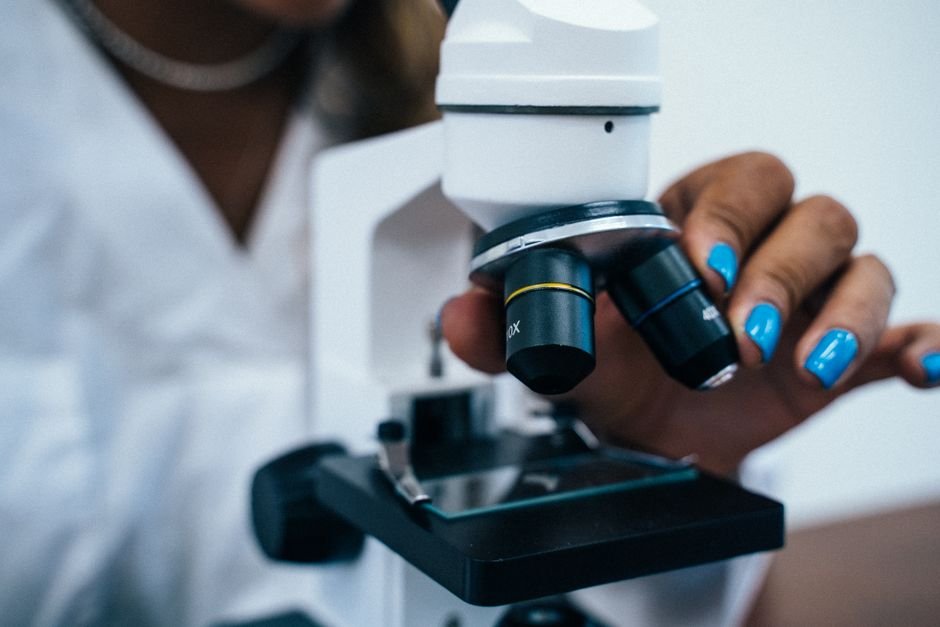
Beyond a glance, professional identification typically involves:
- A jeweler’s loupe or microscope, for magnified inspection of inclusions, surface features, and growth patterns invisible to the naked eye
- A refractometer, which measures a stone’s refractive index — the precise angle at which it bends light — a value that’s highly characteristic for each mineral species and reliably distinguishes many natural minerals from glass or other simulants
- A specific gravity test, comparing a stone’s density to known reference values for that mineral, which is a quantifiable, repeatable measurement rather than a subjective “does it feel heavy” impression
- A spectroscope, which reveals how a stone absorbs specific wavelengths of light, producing an absorption pattern that’s often described as a fingerprint for that gem species
According to the International Gem Society’s overview of gemstone testing, professional gemologists rely on exactly this combination of visual, optical, and physical-property testing methods — the same categories used at home, just with dramatically more precise instruments and reference data behind them.
When Even This Isn’t Enough: Certified Lab Testing
For the most difficult cases — a suspected synthetic emerald, an origin claim on a rare stone, or anything with significant financial value riding on the answer — even a skilled independent gemologist with a loupe and refractometer may recommend sending the stone to a certified gemological laboratory. Organizations like GIA offer formal Colored Stone Identification Reports, which state definitively whether a stone is natural or laboratory-grown and disclose any detectable treatments, using advanced instrumentation and reference databases well beyond what’s practical in an independent gemologist’s office. This is the level of testing that produces a genuinely conclusive answer, backed by a written report, rather than a professional opinion based on visual and basic instrument checks alone.
Common Myths About Expert Crystal Identification
- Myth: Any crystal shop owner is automatically an expert. Running a crystal shop and being a trained gemologist are different skill sets entirely. Many shop owners are knowledgeable about their inventory but haven’t completed formal gemological training, and some genuinely don’t know their own stock’s authenticity if they bought pre-labeled wholesale lots without independent verification.
- Myth: Visual inspection alone is always sufficient. This works for obvious fakes but fails for sophisticated synthetics and subtle treatments, which is exactly why instrument-based testing and, in difficult cases, formal lab reports exist as a separate, more rigorous tier of verification.
- Myth: A confident expert opinion is the same as a certified lab result. A gemologist’s trained visual assessment is valuable and often accurate, but it’s a different level of certainty than a formal report from an accredited lab, which documents specific measured values rather than a professional judgment call alone.
How to Decide If You Need Professional Testing
- For everyday, low-cost tumbled stones, basic home tests are usually enough. If a piece cost a few dollars and isn’t claimed to be rare, checking for bubbles, testing hardness carefully, and assessing weight and temperature will catch the overwhelming majority of concerns — how to test a gemstone at home covers all four checks.
- For valuable or rare pieces, seek a certified gemologist. Anything you’d be genuinely upset to lose, or anything priced as a rare or high-value stone, warrants an expert opinion before you rely on home tests alone.
- For resale, appraisal, or insurance purposes, get formal lab certification. A written report from an accredited lab carries weight that a home test or even an informal expert opinion doesn’t, particularly if you ever need to prove a stone’s identity to a third party.
- If a home test result seems inconclusive or contradictory, that’s itself a signal to consult an expert rather than guessing based on an ambiguous result.
When This Doesn’t Apply
Authenticity concerns matter far less for common, low-cost tumbled stones where the stakes are minor. This entire framework doesn’t apply when you’re dealing with an inexpensive tumbled crystal you bought for a few dollars, purely for decoration or casual ritual use. In that case, even if it turns out to be dyed or synthetic material, there’s little practical reason to pursue professional identification — the cost and effort of testing would likely exceed the value or consequence of being wrong.
FAQs
What tools do gemologists use?
The core toolkit includes a jeweler’s loupe or microscope for magnified visual inspection, a refractometer to measure refractive index, a scale for specific gravity (density) testing, and a spectroscope to read a stone’s absorption spectrum. Each tool answers a slightly different question, and gemologists typically combine several rather than relying on just one.
How much does professional testing cost?
Costs vary significantly by the type of report, the stone’s weight, and the lab, since formal reports (like GIA’s Colored Stone Identification Reports) are priced according to published fee schedules that scale with carat weight and service level. For a rough sense of scale: a basic identification report for an everyday-sized stone is generally far less expensive than a full origin report on a large or rare specimen, so it’s worth checking a lab’s current published fee schedule for your specific stone before committing.
Can an expert be wrong?
Yes, particularly with visual-only assessment of sophisticated synthetics or subtly treated stones, which is exactly why formal instrument-based testing and certified lab reports exist as a more rigorous backup. A confident visual opinion from an experienced gemologist is generally reliable for common cases, but it isn’t infallible for the hardest identification problems.
Do I need a gemologist for every crystal I buy?
No. For typical, inexpensive crystal purchases, basic home tests (checking for bubbles, a careful scratch test, weight and temperature checks) are proportionate to the stakes involved. Reserve professional consultation for valuable, rare, or resale-relevant pieces where getting the answer wrong actually matters.
Why can’t a gemologist just tell synthetic quartz from natural quartz by looking at it?
Because synthetic quartz shares the same chemical composition and crystal structure as natural quartz — it’s genuinely quartz, just grown quickly in a lab rather than slowly underground. The differences that distinguish them are subtle growth-pattern and trace-element signatures that typically require magnification and sometimes specialized testing to detect reliably, rather than anything visible in an ordinary glance.
Key Takeaways
- Can experts tell fake crystals instantly? Yes for obvious fakes like glass with bubbles or badly dyed stones — often within seconds. No for sophisticated synthetics or treated stones that share the genuine mineral’s chemistry, which require refractometers, spectroscopes, or formal lab testing to confirm.
- The gap between a quick expert opinion and a certified lab report is real and matters most for valuable, rare, or resale-relevant stones.
- Not every crystal shop owner is a trained gemologist, and visual inspection alone — however experienced the observer — has genuine limits for the hardest cases.
- For everyday, low-cost tumbled stones, this level of scrutiny is rarely worth pursuing — save professional testing for pieces where the answer actually matters.
Leave a Reply