Last Updated on August 19, 2026 by Umar Farooq
Short answer: look for natural inclusions, realistic weight, temperature retention, and small imperfections. A crystal that’s perfectly flawless, unusually uniform in color, full of round air bubbles, or suspiciously cheap for its type is very likely glass, resin, or a dyed/treated imitation rather than a natural stone. No single test is fully conclusive on its own, but combining a few — a scratch test, a weight check, a close look for inclusions, and basic knowledge of what that specific crystal typically costs — will catch the vast majority of fakes.
Below is a full breakdown of why fake and treated crystals are so common, the actual science behind each identification test, what’s just belief versus what’s testable, and what to do when you’re still not sure.
Why It’s So Easy to Buy a Fake Crystal
Three factors drive most confusion:
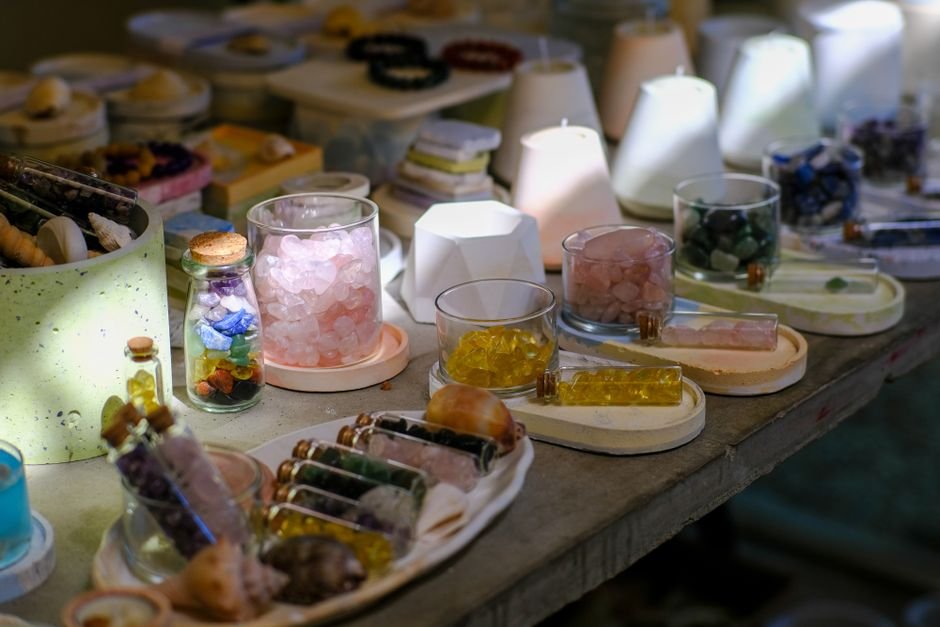
- Glass and resin imitations. Cheap decorative “crystals” made from colored glass or cast resin are widely sold, sometimes labeled honestly as costume pieces and sometimes mislabeled as natural stones.
- Dyed or heat-treated stones sold as “natural.” Many genuine minerals are legally altered to enhance color — heat-treated amethyst sold as citrine is extremely common — and this isn’t always disclosed clearly. (Amethyst has its own set of tells: see how to spot fake amethyst.)
- Lack of buyer knowledge. Most people shopping for crystals have no reference point for what a specific stone should weigh, feel like, or cost, which makes even obvious fakes easy to miss.
The Science: What Actually Proves a Crystal Is Real
This is the part most casual guides skip past quickly, and it’s worth understanding properly rather than relying on a single “gotcha” test.
Hardness (Mohs scratch test). Real quartz-family crystals (amethyst, citrine, clear quartz, rose quartz) sit at 7 on the Mohs hardness scale, meaning a genuine piece will scratch ordinary glass, while glass cannot scratch it back. This is one of the more reliable at-home tests for quartz specifically, though it’s destructive if you’re wrong, so it’s best reserved for inexpensive or already-questionable pieces rather than valuable ones.
Refraction and clarity. Held up to light, a real crystal typically shows some internal complexity — subtle color zoning, faint cracks, or light distortion — rather than perfectly even, glass-smooth clarity throughout.
Weight-to-size ratio. Most natural crystals are notably denser than glass or resin of the same size, so an unusually light “stone” for its dimensions is a red flag.
Natural inclusions. According to the International Gem Society’s guide to identifying synthetic and imitation gems, very fine clarity with no visible natural inclusions under magnification is one of the strongest indicators of a synthetic or imitation stone, since few natural specimens are genuinely flawless even under a loupe.
What the Spiritual View Says About “Real” vs. “Fake” Energy
Within crystal communities, it’s commonly believed that genuine crystals “feel” energetically different from imitations — a stronger sense of warmth, connection, or resonance when holding a real stone versus a fake one. This is a widely held belief, but it isn’t a testable claim in any scientific sense: there’s no instrument that measures a crystal’s “energy” the way a Mohs scratch test measures hardness. If this kind of intuitive read is part of your practice, it’s fine to use it alongside the physical tests above — just hold it as a personal or traditional belief rather than a verification method on its own, especially for anything you’re paying real money for. (Doubts about authenticity can also quietly undermine your whole practice — one of the reasons covered in why isn’t my crystal working.)
Myths About Spotting a Fake Crystal
Two common assumptions lead people astray:
- Myth: all clear or flawless crystals are automatically fake. Some natural quartz genuinely forms extremely clear, with few visible inclusions — flawless clarity alone isn’t proof of a fake, though it should prompt a closer look using other tests.
- Myth: price alone proves authenticity. A high price doesn’t guarantee a stone is natural and untreated — some sellers mark up dyed or synthetic pieces specifically because buyers assume cost equals legitimacy. Price is a useful red flag when a deal seems too cheap, but it’s not proof on its own in either direction.
How to Verify a Crystal (Troubleshooting Steps)
- Check for air bubbles under light. Perfectly round, static bubbles suspended in the stone are a strong sign of cast glass.
- Do a scratch test on inexpensive pieces. A genuine quartz-family crystal will scratch glass; if it doesn’t, or if it gets scratched by glass itself, that’s a red flag (skip this test on soft or valuable stones — see the caution below).
- Compare weight to a known genuine sample. If you own or can compare against a verified real piece of the same type, a noticeably lighter fake will usually stand out immediately.
- Buy from reputable sellers who offer certification. For anything beyond an inexpensive tumbled stone, a seller who can document origin and treatment history is worth far more than any single at-home test. (For the most-faked stone on the market, see how to identify fake moldavite.)
When Authenticity Isn’t the Point
None of this matters if you’re buying costume or decorative jewelry where authenticity was never claimed in the first place. A glass “crystal” sold openly as a fashion accessory isn’t a fake in any meaningful sense — it’s exactly what it’s advertised to be. These tests are for situations where a natural or treated mineral is being represented as something it may not be.
Can a Jeweler Verify It for Me?
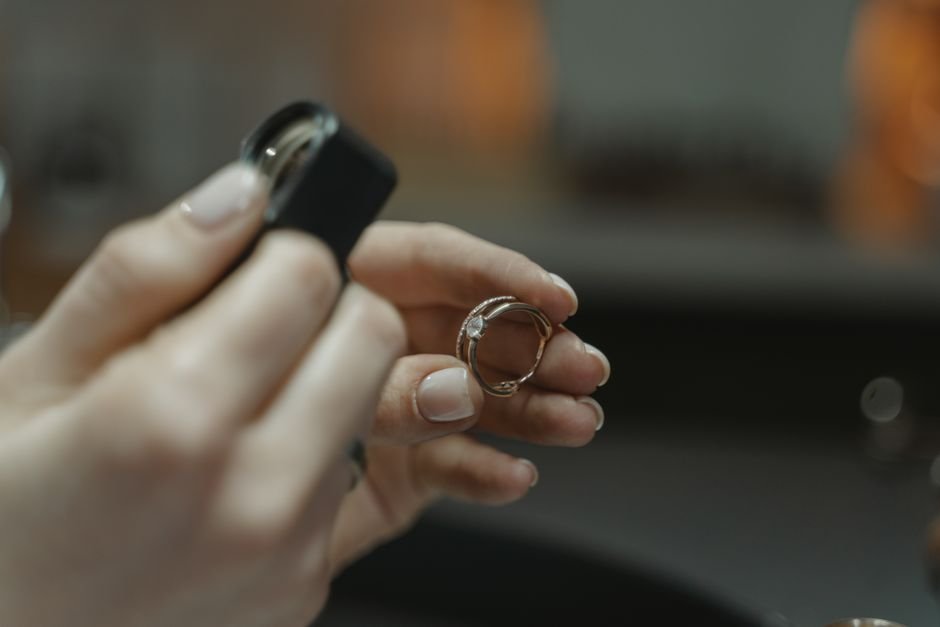
Yes, and for anything of real value, this is the most reliable option available. A jeweler or gemologist has access to tools most people don’t — a refractometer to measure refractive index, magnification well beyond a basic loupe, and often specific gravity testing — that go well beyond what a scratch test or weight comparison can confirm at home. If you’re genuinely uncertain about an expensive piece, professional verification is worth the cost before you rely on your own judgment alone.
Do Bubbles Always Mean Fake?
No — this is a more nuanced case than most guides suggest. Round, static, evenly distributed bubbles are a strong sign of cast glass. But some genuine crystals, most notably enhydro quartz, naturally contain water-filled bubbles formed during the crystal’s growth. The distinguishing detail: in a real enhydro specimen, the bubble (or a visible air pocket within trapped liquid) will actually move slightly when you tilt the stone, since it’s suspended in genuine fluid. In fake glass, the bubbles are fixed in place no matter how you turn it. If you’re not certain which you’re looking at, this is a good case for asking a knowledgeable seller directly or getting a second opinion.
A Bargain Amethyst Pendant Full of Bubbles
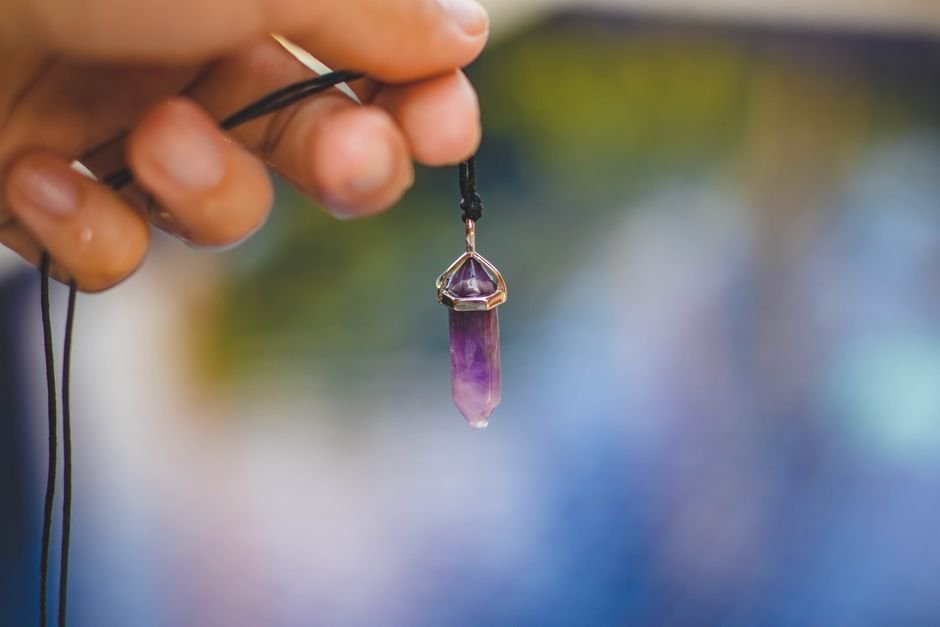
A pendant sold as “amethyst” catches the eye for its deep, uniform purple color and low price. Held up to a light source, it reveals several small, perfectly round bubbles scattered evenly throughout the stone — a telltale sign of cast glass rather than natural quartz. A scratch test against ordinary window glass confirms it: the pendant doesn’t scratch the glass, meaning it’s softer than real amethyst should be. The seller, when asked directly, admits it’s dyed glass sold as a decorative “amethyst-style” piece.
Running Your Own Authenticity Check
- Run the basic tests yourself (bubbles, scratch test, weight, inclusions) for inexpensive or moderately priced pieces.
- Get uncertain or valuable pieces verified by a gemologist or a reputable dealer who can document origin and treatment.
- Buy with realistic expectations — if a deal seems too good to be true for a specific crystal type, treat that as a signal to investigate further rather than a lucky find.
Questions About Spotting Real Crystals
Can a jeweler verify my crystal for me?
Yes. A jeweler or gemologist has access to tools like refractometers and higher-powered magnification that go beyond at-home tests, making this the most reliable option for anything of real value.
Do bubbles always mean my crystal is fake?
Not always. Round, static, evenly spaced bubbles usually indicate glass, but genuine enhydro quartz naturally contains moving water bubbles formed during the crystal’s growth — the key difference is whether the bubble shifts when you tilt the stone.
Is a perfectly clear crystal automatically fake?
No. Some natural quartz forms with very few visible inclusions and genuine, high clarity. Flawless clarity is a reason to check other signs (weight, hardness, price, seller transparency), not proof of a fake on its own.
Does price guarantee a crystal is real?
No. A higher price doesn’t confirm authenticity, since some sellers charge premium prices for dyed, treated, or synthetic stones specifically because buyers assume cost implies legitimacy. Sourcing matters far more than price — see where to buy genuine crystals.
What’s the easiest at-home test for a real crystal?
For quartz-family stones (amethyst, citrine, clear quartz, rose quartz), the scratch test against ordinary glass is one of the more reliable simple checks — genuine quartz will scratch glass, while glass and most imitations won’t scratch it back.