Last Updated on August 19, 2026 by Umar Farooq
Short answer: only if it stops serving you — not because you’re required to. There’s no physical or spiritual rule that says a broken crystal must be replaced. The decision comes down to three things: whether the break has created a safety issue (sharp edges, unsafe wear), whether you’ve lost your personal attachment to the piece, and whether it feels, to you, like it has “completed its purpose.” If none of those apply and the stone still holds meaning or looks fine to you, there’s no obligation to replace it at all.
Below is a full breakdown of when replacement actually makes sense, what’s physically true about a broken crystal’s properties, what different spiritual views suggest, and how to decide without feeling pressured either way.
Reasons People Consider Replacing a Broken Crystal
Three factors come up most often:
- Sharp or unsafe edges. If a break has left a point or shard that could cut you or catch on clothing, that’s a practical reason to retire the piece regardless of any symbolic meaning.
- Loss of personal attachment. Sometimes a crystal simply stops feeling meaningful once it’s broken — the emotional connection was tied to its original wholeness, and that’s a valid, personal reason on its own.
- A feeling that it “completed its purpose.” Many people experience a genuine sense of closure when a crystal breaks, especially one used during a specific challenge or intention, and choose to mark that with a new piece.
None of these reasons are required — they’re simply the most common ones people cite when they do decide to replace a broken stone.
What Science Says: Is There a Functional Reason to Replace It?
No. A break doesn’t alter a mineral’s chemical composition, structure, or any physical property beyond its shape. If you’re using a crystal for meditation, décor, or as a personal talisman, a cracked or broken piece functions exactly the same as an intact one in every measurable sense. There’s no scientific basis for the idea that a broken crystal “stops working” — any change in how it feels to use is about your own relationship with the object, not a documented physical effect.
What the Spiritual View Says About Replacement
Within crystal healing communities, opinions genuinely diverge here, and it’s worth knowing both sides exist:
- Some believe replacing marks a new chapter. A fresh stone after a break is treated as a symbolic reset — a way of setting new intentions once the old piece has “done its work.”
- Others keep broken stones as meaningful, sometimes more so. A visibly damaged crystal is sometimes read as having “proven” its protective role, making it more significant to keep rather than replace.
Neither view is more correct than the other — this is a genuinely split area of belief, not a settled tradition, and it’s presented here as such rather than as an established rule.
Why We Get Attached to a Specific Object (Not Just Crystals)
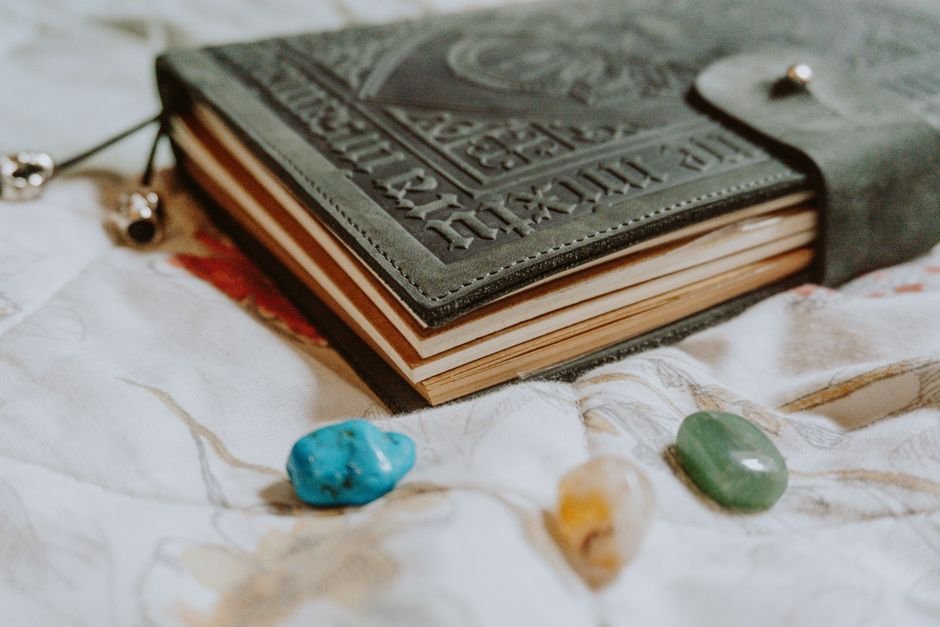
It’s worth naming something that applies well beyond crystals: humans form real, well-documented emotional attachments to specific physical objects, not just what those objects represent. According to Scientific American’s coverage of the psychology of object attachment, brain imaging research has found that objects a person considers “mine” activate similar neural regions as references to a person’s own identity. This is a useful, grounding fact if you’re feeling conflicted about whether it’s “silly” to be attached to a broken stone — the attachment itself is a normal, well-studied psychological phenomenon, regardless of what the object is. The flip side is true too: research on sentimental attachment also shows that letting go of a meaningful object, when you’re ready, is a normal and healthy part of that same psychology, not a sign you didn’t value it enough.
Myths About Replacing a Broken Crystal
Two claims are worth correcting directly:
- Myth: keeping a broken crystal brings bad luck. There’s no widespread tradition supporting this. Most crystal communities frame a break as neutral-to-positive (protection, completion, release) rather than an omen to fear.
- Myth: replacement is always necessary. Plenty of long-term crystal owners keep and continue using broken pieces indefinitely, sometimes for years, without ever replacing them.
How to Decide: Replace, Repurpose, or Keep? (Troubleshooting Steps)
- Assess safety first. If the break has created a sharp edge or unsafe wearing condition, that’s the clearest, least ambiguous reason to retire or replace the piece.
- Assess sentimental value. If the stone still feels meaningful to you as-is, there’s no requirement to change anything.
- Choose your path. Repurpose the broken piece (jewelry, grid, décor — see what to do with a broken crystal for all seven options), keep using it exactly as before, or source a replacement — all three are equally valid outcomes.
When Replacement Doesn’t Make Sense
Skip replacement if the stone still holds personal or aesthetic value to you. A crack, chip, or clean break doesn’t automatically diminish a crystal’s meaning, and continuing to use a broken piece you still love is just as legitimate a choice as buying something new — a broken crystal is still fully usable once it passes a basic safety check.
Is It Wasteful to Replace a Broken Crystal?
Not inherently — though it depends on what you do with the old piece. Replacing a stone while repurposing or keeping the broken original (rather than discarding it) avoids most of the waste concern entirely. If you’re mindful about sourcing (buying only what you’ll genuinely use, choosing ethically sourced stones), replacement isn’t meaningfully different from any other considered purchase.
Can I Keep Both the Old and New Crystal?

Yes — there’s no rule against it, and many people do exactly this. A common approach is keeping the broken original for its sentimental or symbolic value (in a grid, a keepsake box, or a garden) while using the new piece for its intended active purpose going forward. The two don’t compete with or cancel each other out.
A Protection Bracelet That Shattered After a Hard Year
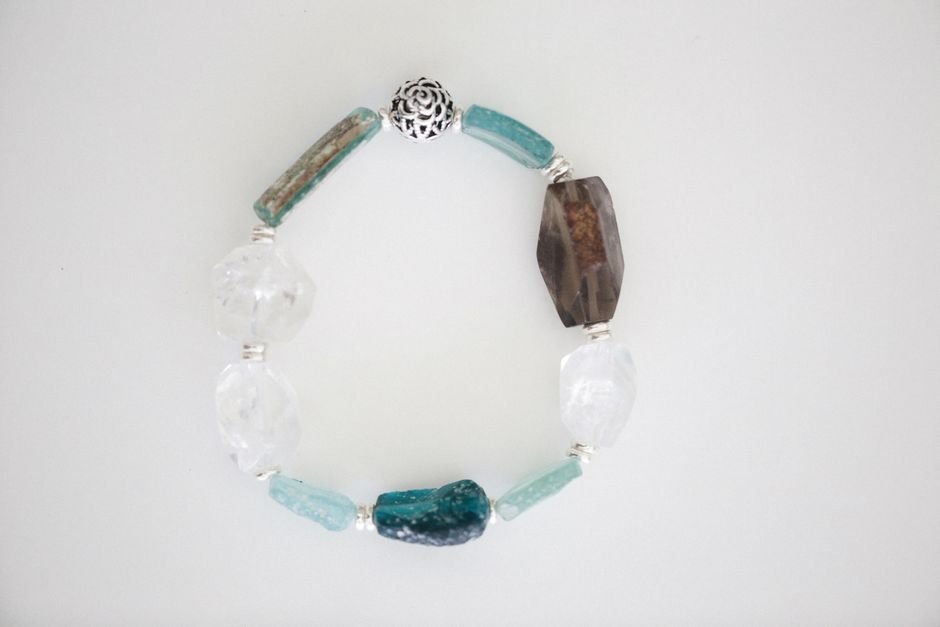
Someone wears a protection bracelet through an unusually stressful year, and it shatters at the end of it. (The physical cause is usually worn elastic — see why did my crystal bracelet snap.) Rather than treating the break as a loss, they view it as symbolic renewal — a marker that the difficult period had genuinely closed. They replace the bracelet with a new one to start the next chapter, while keeping a few of the original beads in a small dish on their desk as a reminder of what they got through.
Deciding Whether to Replace Yours
- Replace it if it’s lost its meaning, has an unsafe edge, or you simply want to mark a new chapter with a fresh stone.
- Keep it as-is if it still feels meaningful and there’s no safety concern — there’s no obligation to change anything.
- Do both — repurpose or keep the old piece while adding a new one — if that feels right for your situation.
Questions About Replacing a Broken Crystal
Is it wasteful to replace a broken crystal?
Not if you repurpose, keep, or thoughtfully rehome the original rather than discarding it. Replacement becomes wasteful mainly when the old piece is thrown away rather than given a second use.
Can I keep both the old and new crystal?
Yes. Many people keep a broken original for sentimental value while using a new piece for its active purpose — there’s no rule requiring you to choose one or the other.
Does keeping a broken crystal bring bad luck?
No — this isn’t a widespread belief within crystal traditions. Most interpretations of a break are neutral or positive (protection, completion, release), not a warning sign about what happens if you keep it.
Do I have to replace a crystal once it breaks?
No. Physically, a broken crystal’s properties are unaffected, and plenty of people continue using broken pieces indefinitely without ever replacing them.
How do I know if my crystal has “completed its purpose”?
This is a personal, intuitive read rather than a testable fact — it usually shows up as a feeling of closure, reduced attachment to the piece, or a sense that the specific challenge you used it for has resolved. Trust your own read on this rather than looking for an external sign.