
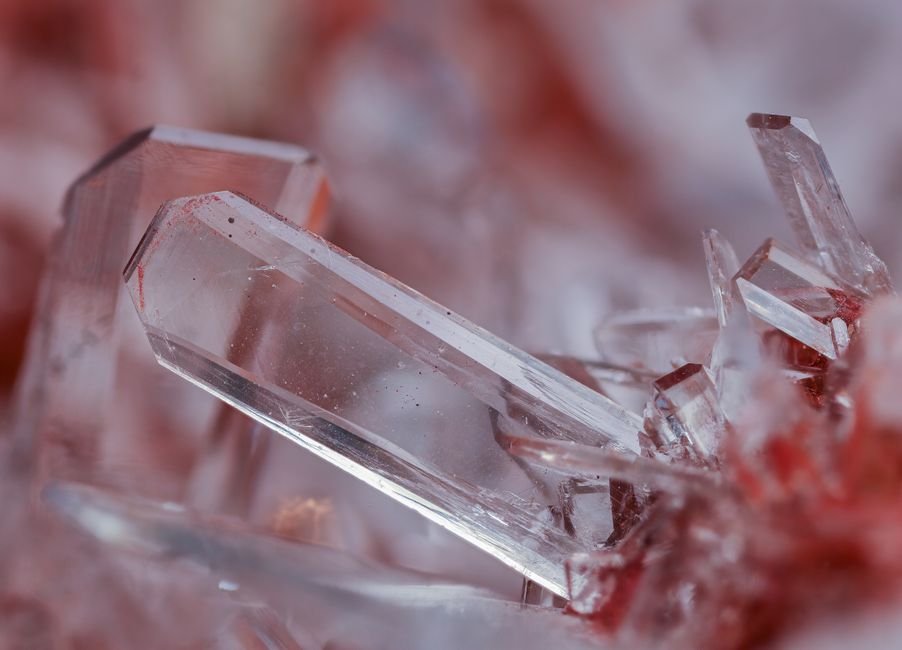
Short answer: yes. In crystal healing traditions, a crack does not remove the properties a stone is believed to carry — its color, its shape, and the meaning you’ve assigned to it stay intact. Geologically, a cosmetic crack doesn’t change a mineral’s composition either. The only time a cracked crystal stops being usable is when the crack creates sharp edges or loose shards that make it unsafe to hold or wear. Beyond that, whether you keep using it comes down to your own comfort and intention, not a hard rule.
That said, the question “does a cracked crystal still work” usually isn’t really about physics — it’s about reassurance. Below is a full breakdown of why doubt creeps in, what’s actually happening on a mineral level, what different spiritual perspectives say, and exactly how to move forward with a cracked stone.
Why People Doubt a Cracked Crystal Still Works
Most of the worry around a cracked crystal comes from two places, not one:
- Aesthetic disappointment. A once-flawless point or tumbled stone suddenly looks damaged, and that visual shift feels like a loss even before you’ve thought about “energy” at all.
- Fear that the energy field is disrupted. If you use crystals for intention-setting, meditation, or protection, a crack can feel like a warning sign — as if the stone’s structure and its “job” are the same thing.
Neither of these is unreasonable. But they’re also separate questions from whether the crystal still works, and it helps to untangle them before deciding what to do with your stone.
What Science Says About Cracked Crystals
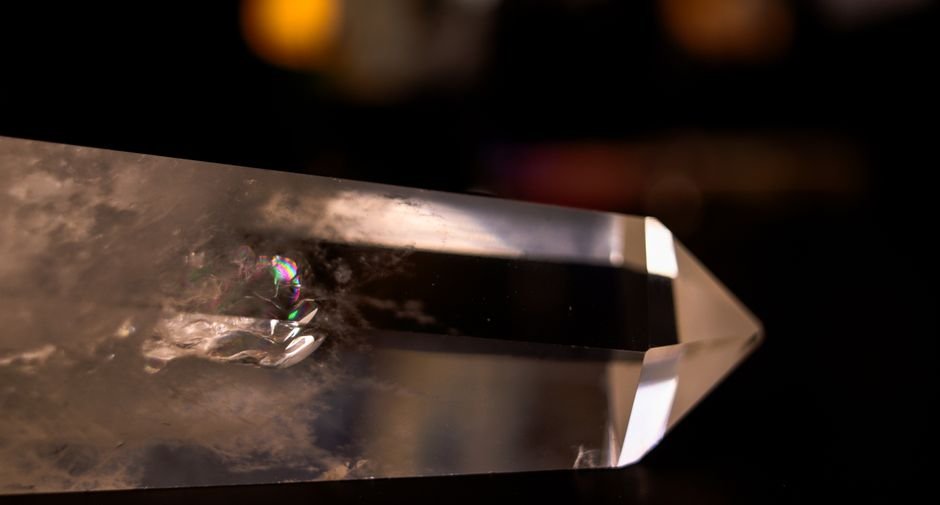
From a mineralogical standpoint, a crack is a physical fracture — a break in the internal bonding of the mineral, usually caused by an impact, pressure, or a fast temperature change (all covered in why did my crystal crack by itself). It does not alter the crystal’s chemical composition, its hardness on the Mohs scale, or any of the physical properties that define what kind of stone it is. A cracked amethyst is still amethyst; a cracked citrine is still citrine.
It’s also worth being clear about what current research says regarding crystal healing more broadly. No peer-reviewed study has found that crystals produce measurable therapeutic effects beyond the placebo response — a 2025 randomized study on rose quartz and anxiety, for example, found symptom improvement only among people who already believed in the practice, with no difference between real and placebo stones. That doesn’t make the ritual meaningless (the placebo response involves real, measurable changes in the brain), but it does mean any claim that a crack “breaks the energy” isn’t something science can confirm or deny — it’s a belief, not a measurable fact. For a broader look at what’s evidence-based and what isn’t, Healthline’s review of healing crystals is a useful, medically reviewed starting point.
What Crystal Healing Traditions Believe
Within crystal healing communities, opinions on cracked stones split into two camps, and both are common:
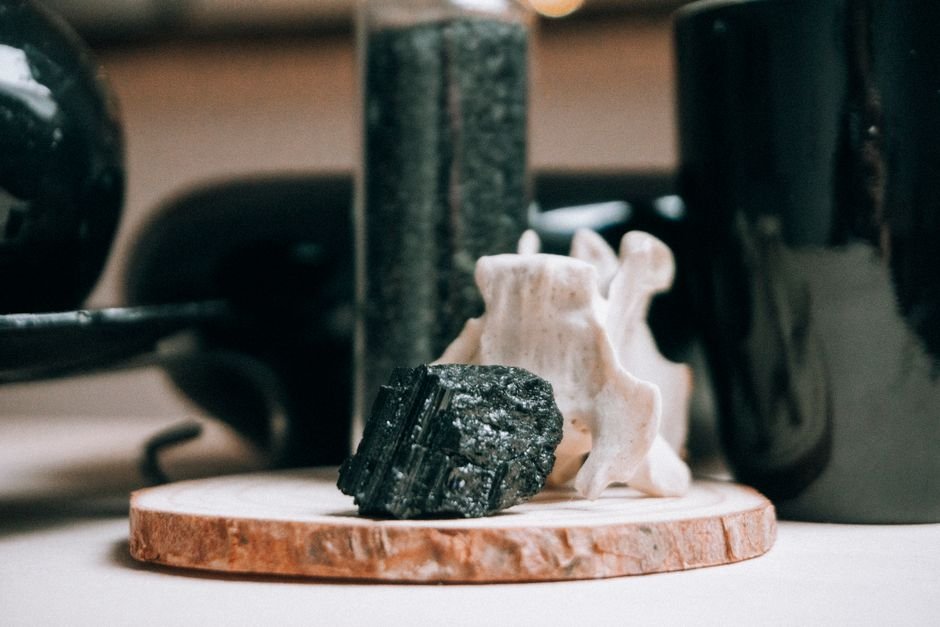
- The crack shows the crystal did its job. Many practitioners believe a crystal absorbs and transmutes negative energy on your behalf, and a crack (especially in protective stones like black tourmaline or smoky quartz) is read as evidence it took a hit so you didn’t have to.
- The crack is unrelated to potency. Others hold that a crystal’s properties live in the mineral itself, not its surface condition, so a crack is simply wear — no more spiritually significant than a scuff on a favorite ring.
Neither view is “correct” in an objective sense; they’re both interpretive frameworks people use to make sense of an ordinary physical event. If you work with crystals, it’s fine to sit with whichever framework feels true to you, as long as you don’t confuse it with an established fact.
Myths About Cracked Crystals, Debunked
Two beliefs come up constantly and are worth addressing directly:
- Myth: a crack always weakens the spiritual effect. This isn’t a shared rule even within crystal healing — plenty of practitioners believe the opposite, that a crack opens a new “channel” in the stone.
- Myth: only a whole, flawless stone is “pure.” Most specimens sold as crystals already contain natural inclusions, fractures, or growth lines from formation. A visible crack is a difference of degree, not a difference in kind, from flaws the stone likely already had.
How to Keep Using a Cracked Crystal (Troubleshooting Steps)
If the crack is cosmetic and the stone is still safe to handle, most practitioners follow the same basic routine:
- Cleanse it. Whatever method you already use — moonlight, sound, smoke, or salt (skip water on soft or soluble stones like selenite) — cleanse the crystal after cracking before using it again. This is more about resetting your own association with the stone than “fixing” anything physical.
- Continue normal use. There’s no requirement to retire a crystal just because it cracked. Keep it on your altar, in your pocket, or in a grid exactly as before.
- Monitor structural safety. Check the crack every so often. A hairline fracture that stays the same size is very different from one that’s visibly growing or shedding small fragments.
When a Cracked Crystal Should Not Be Used
This is the one place where the answer isn’t “it depends on belief” — it’s a straightforward safety issue. Stop using a cracked crystal, or handle it differently, if:
- The crack has produced sharp shards or edges that could cut your skin.
- Small fragments are flaking off, which matters especially for jewelry, pocket stones, or anything worn against the skin.
- The stone is a soft mineral (selenite, calcite, malachite) where a crack can spread quickly with normal handling.
- You use the crystal as a yoni egg or in direct skin-contact wellness practices — replace rather than repair or continue using a cracked stone in these cases.
In all of these situations, safety takes priority over sentiment, no matter what spiritual meaning you’d otherwise assign to the crack.
Should You Glue or Repair a Cracked Crystal?
If a crystal has split into pieces you want to keep together rather than repurpose, a jeweler’s adhesive such as E6000 is the option most commonly used, since it holds well without the fumes or heat sensitivity of super glue. Avoid hot glue, which can stress already-weakened stone with heat. If the crack is a hairline fracture rather than a full split, there’s usually nothing to glue at all — leave it alone and just monitor it as described above. For a deeper look at adhesives and when repair makes sense, see can broken crystals be repaired.
Cracked Crystal vs. Broken Crystal: Is There a Difference?
It’s worth separating these two situations, since people often use the words interchangeably:
- Cracked but intact: the stone is still one piece; the “does it still work” question is almost entirely about comfort and belief, since nothing has actually separated.
- Broken into pieces: the stone has physically split. Both halves are still the same mineral and can still be used — as two separate stones, a matched pair placed at opposite ends of a room, or repurposed into a grid — but this is a slightly bigger decision point for people who were attached to the original single piece. See can you still use a broken crystal for that scenario.
Real-World Example
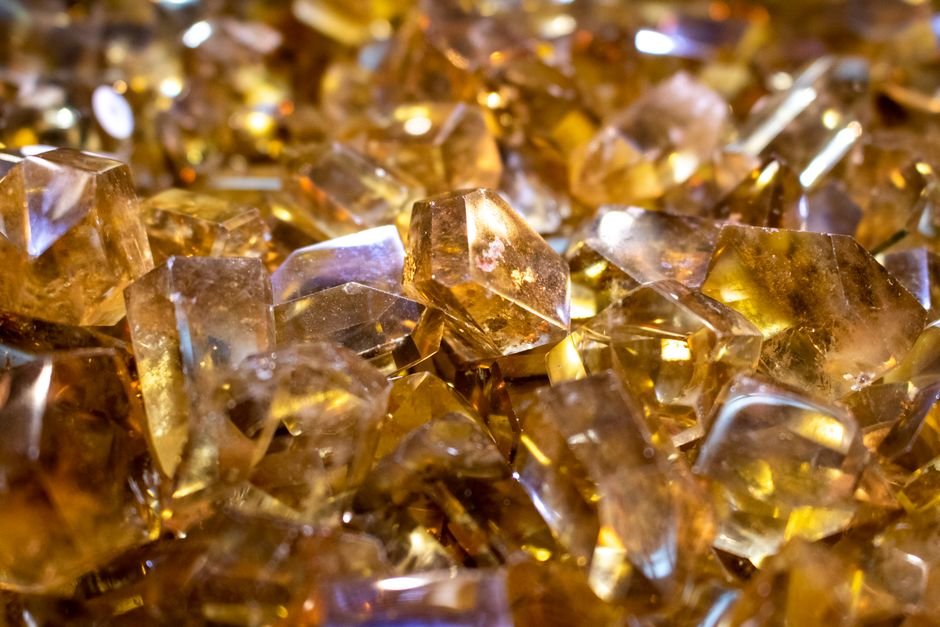
A citrine meditation point develops a hairline crack near its base after being knocked off a shelf. The owner cleanses it under running water (citrine tolerates water well), sets it back on the altar, and continues using it for daily focus work exactly as before. Months later, the crack hasn’t grown, there are no loose edges, and the stone functions — practically and symbolically — the same as it did before the crack appeared.
What To Do Next
- Keep using it if the crack is stable and the stone is still safe to hold or wear.
- Cleanse it once after the crack appears, mostly as a mental reset rather than a physical necessity.
- Replace it only if the crack has created a safety issue, or if the crack itself has changed how the stone feels to you and you’d genuinely rather start fresh. Both are valid reasons — one is practical, one is personal — and neither requires the other’s permission.
FAQ
Do I need to get a new crystal after it cracks?
No. Unless the crack has created sharp edges, flaking pieces, or another safety concern, most practitioners and mineral collectors continue using a cracked stone indefinitely.
Should I cleanse a cracked crystal differently than usual?
Not structurally — use whatever cleansing method suits the stone’s hardness and water sensitivity, same as before. Many people simply cleanse once, intentionally, right after noticing the crack.
Is a cracked crystal bad luck?
There’s no shared tradition that treats cracking as an omen of bad luck. Interpretations vary — some see it as protective, some as neutral wear — but “bad luck” specifically isn’t a common reading.
Can I still wear a cracked crystal as jewelry?
Yes, as long as there are no sharp edges or loose fragments against your skin. If the crack is on a bezel-set stone with no exposed sharp points, it’s generally fine to keep wearing.
Does a crack make a crystal less powerful?
Only if you believe it does. There’s no scientific measure of crystal “power” to begin with, so any change in potency is a matter of personal or traditional interpretation, not a testable fact.
Leave a Reply