Last Updated on August 19, 2026 by Umar Farooq
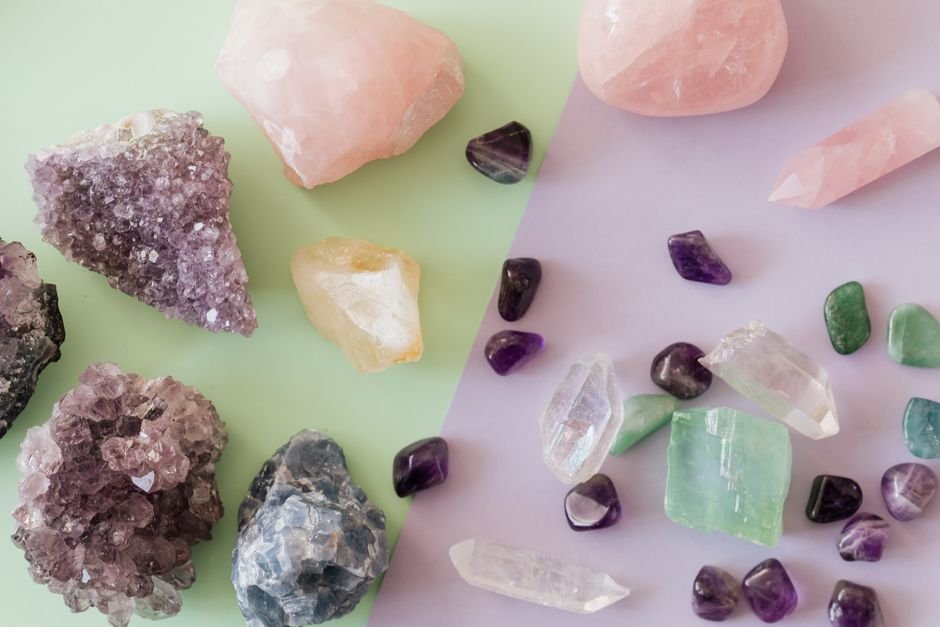
Can crystals lose their power? Within crystal-healing belief, yes — practitioners describe crystals as needing regular recharging, the same way a battery runs down with use. Physically, though, the mineral itself doesn’t change: a quartz crystal is chemically identical the day you buy it and years later. The one real exception is color — UV light, heat, and chemicals can physically fade or damage certain stones, and that’s genuine science, not belief.
This guide separates the two clearly: what practitioners believe about crystals “losing power,” what actually happens to a crystal on a molecular level, the myths worth dropping, and exactly how to recharge different stones without damaging them.
The 5 Warning Signs a Crystal “Lost Its Power” (Quick List)
Within the belief framework, these are the signs practitioners look for:
- The stone feels heavier or “duller” than when you first got it
- You stop feeling drawn to it or reaching for it (usually habituation, as explained in can a crystal stop working over time)
- Its color looks visibly faded or dull (if it’s an amethyst, see why amethyst turns white — that one has a specific physical cause)
- It’s been used heavily for meditation, healing work, or absorbing “negativity”
- It’s been neglected for a long time — no cleansing, no recharging, no attention
None of these are measurable in a lab. They’re subjective, felt experiences that practitioners use to decide when a stone needs cleansing or a rest. Below, each cause is explained alongside what’s belief and what’s physically verifiable.
Why People Believe Crystals Lose Their Power
The core spiritual idea is that a crystal works like an energetic battery: it holds a charge, that charge gets used up through absorbing negativity or “working” for you, and it eventually needs to be topped up again. This is why practitioners talk about “recharging” crystals in sunlight, moonlight, or sound — the belief is that these sources refill the depleted energy, much like plugging in a phone.
Common beliefs about why a crystal supposedly runs down include:
- Heavy “energetic” use — being worn daily, used in frequent meditation, or asked to absorb a lot of stress or negativity
- Long-term neglect — sitting unused and uncleansed for months or years
- Absorbing negativity — the belief that a stone soaks up bad energy from its environment or the people around it, the way it’s also described in beliefs about what blocks crystal energy
- “Completing its purpose” — some practitioners believe a crystal can finish the specific job it was meant to do for you, after which it feels inert until it’s reset or passed on
What Science Actually Says About Crystals “Losing Power”

Here’s the direct answer: there’s no physical mechanism by which a crystal stores or depletes an “energy charge.” A mineral’s atomic structure doesn’t change from being worn, meditated with, or left in a drawer. According to GIA’s amethyst care guide, the durability concerns that gemologists actually track are hardness, toughness, and chemical/light stability — not any form of metaphysical energy.
What does change, and what’s genuinely measurable, is a stone’s physical condition:
- UV/light exposure can permanently fade the color of certain crystals (see the section below).
- Heat can alter or destroy color centers in stones like amethyst and citrine.
- Chemical exposure (harsh cleaners, perfumes, body oils) can dull a stone’s surface or damage its polish over time.
- Physical wear — chips, scratches, or fractures — happens from drops or contact with harder minerals, unrelated to any “energy.”
So when a crystal “feels” less powerful after prolonged neglect, the more grounded explanation is usually one of two things: it’s visibly duller because dust, oils, or grime have built up on the surface (a cleaning issue, not an energy issue), or your own relationship to the object and your expectations have simply shifted.
Which Crystals Actually Fade in Sunlight (Real Science)
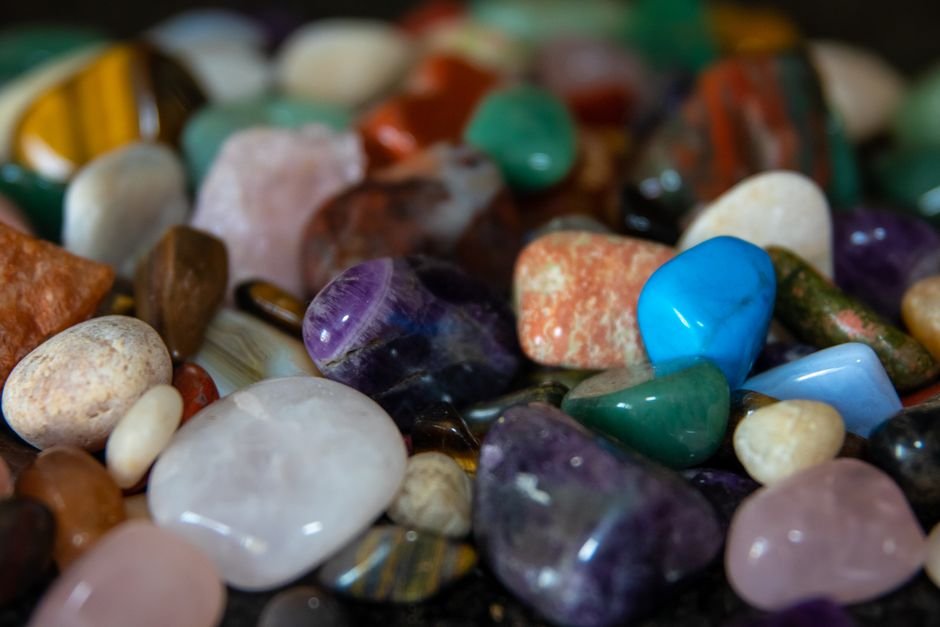
This is the one place where “recharging in the sun” backfires — and it’s the most commonly missed topic in most guides on this subject. Certain crystals get their color from trace minerals or radiation-induced “color centers” that are chemically unstable under UV light. Practitioners often unknowingly damage these stones by leaving them in a sunny window to “recharge.”
| Crystal | What causes its color | Sun sensitivity |
|---|---|---|
| Amethyst | Iron impurities + natural irradiation | High — fades to pale lavender or clear over weeks/months of direct sun |
| Rose quartz | Microscopic mineral inclusions | High — can fade to milky white within about a year of regular exposure |
| Citrine (natural) | Iron impurities | Moderate to high |
| Smoky quartz | Irradiated aluminum impurities | Moderate |
| Fluorite | Trace element impurities | High |
| Clear quartz | No color-driving impurities | Low — generally sun-stable |
| Black tourmaline | Structural, not light-sensitive pigment | Low — generally sun-stable |
GIA’s guide to gem durability confirms that citrine, amethyst, kunzite, and topaz are all known to fade or change color with prolonged light exposure — this isn’t wellness folklore, it’s an established fact in gemology.
Common Myths About Crystals Losing Their Power
- Myth: “Lost power” is irreversible. Within the belief framework, practitioners generally treat energy depletion as temporary and fixable through cleansing and recharging — not permanent.
- Myth: Every crystal recharges the same way. This is false even by gemological standards, not just spiritual ones. Sun-sensitive stones (amethyst, rose quartz, fluorite, citrine) should never be recharged in direct sunlight for extended periods, while sun-stable stones like clear quartz and citrine’s darker cousin smoky quartz tolerate it better.
- Myth: A faded crystal has “lost its energy” and is now useless. Fading is a physical color change from UV exposure — a documented gemological fact — not evidence of energetic depletion, since there was no energy to deplete in the first place.
How to Tell If It’s Power Loss or Physical Damage
This distinction matters more than most guides admit. “Losing power,” within the belief system, describes a felt change — a stone feels flat or unresponsive. It does not apply when a stone shows:
- Visible cracking, chipping, or breakage — this is structural damage, not energetic depletion, and no amount of cleansing repairs it
- Cloudiness from internal fractures (as opposed to surface dust) — also structural
- Sudden color loss after a specific event like a drop, extreme heat, or chemical exposure — this points to physical damage, not gradual “energy use”
If your stone is cracked or broken, that’s a durability issue to address with proper storage and handling — not something a recharging ritual can fix. See can you still use a broken crystal for what to do with a damaged stone.
How to Recharge a Crystal Safely: Step-by-Step
If you want to follow common practitioner methods while avoiding real physical damage:
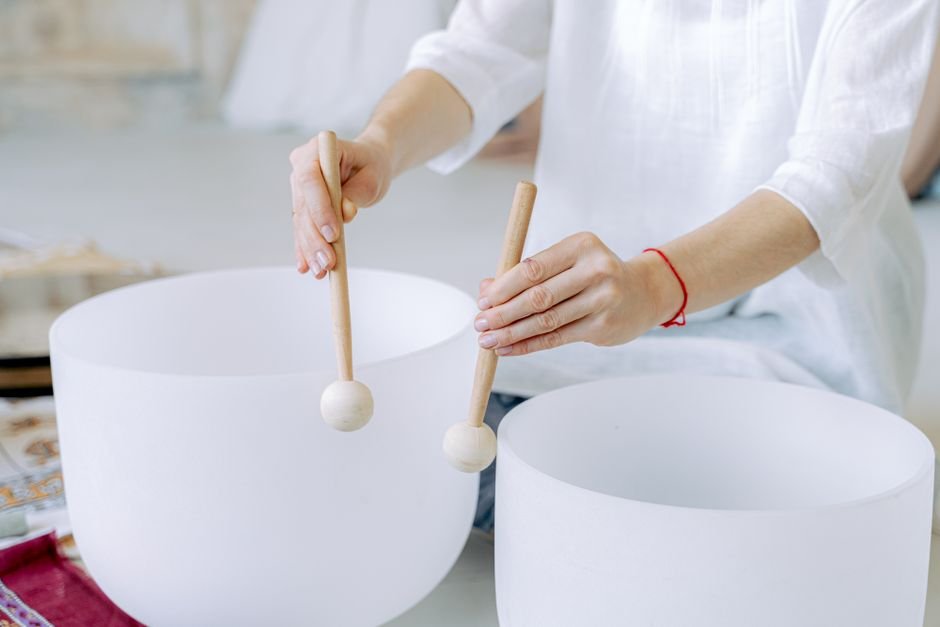
- Identify a safe method for that specific stone. Sun-sensitive stones (amethyst, rose quartz, citrine, fluorite, kunzite) should be recharged in moonlight, sound, or on a selenite plate — not direct sun. Sun-stable stones (clear quartz, citrine, black tourmaline) can handle brief sun exposure if you choose to use it.
- Cleanse first. Rinse under cool water (skip for water-sensitive stones like selenite), pass through smoke, or use a sound bath.
- Let the stone rest somewhere undisturbed for a few hours to overnight, depending on the method.
- Reset your intention. Many practitioners hold the stone and restate what they want it to support, treating this as the “reactivation” step.
- Check the stone’s physical condition while you’re at it — this is also a good moment to spot early chips or cracks before they get worse.
If the stone still feels flat after this routine, our guide on how to recharge a crystal that feels dead goes deeper on each method.
None of these steps have been shown to add or restore any physical “energy” to a crystal. What they reliably do is give the stone a clean surface, protect its color from UV damage if you choose light-safe methods, and give you a consistent ritual — genuinely useful for focus and routine, independent of any belief in stored energy.
Questions About Crystals Losing Power
How do I recharge crystals safely?
Match the method to the stone. Moonlight, sound, and selenite plates are safe for virtually all crystals, including sun-sensitive ones. Direct sunlight is fine for sun-stable stones like clear quartz but should be avoided for amethyst, rose quartz, citrine, and fluorite, which can fade permanently within weeks to months of regular exposure.
Do all crystals need the same recharging method?
No. This is one of the most common mistakes — treating every stone the same way. Color-sensitive stones need light-safe recharging (moonlight, sound, selenite), while durable, colorless or dark stones like clear quartz or black tourmaline tolerate a wider range of methods, including brief sun exposure.
Can a crystal’s power loss be reversed?
Within the belief framework, yes — cleansing, resting, and resetting intention are considered enough to “restore” a stone. Physically, there was no energy to restore in the first place, so nothing needs reversing on that front. If the stone has faded from sun exposure, though, that color change is generally permanent and can’t be undone.
Is a faded crystal less effective?
That depends entirely on your framework. Spiritually, some practitioners feel a faded stone has lost potency; others don’t consider color relevant to its properties at all. Physically, fading doesn’t change the mineral’s hardness, structure, or composition — only its visual appearance.
Why did my amethyst turn pale after I left it on the windowsill?
This is a well-documented gemological effect, not a sign of energetic depletion. Amethyst’s purple color comes from iron impurities activated by natural irradiation deep underground; UV light from the sun can reverse that process, and the fading is permanent. Move it to indirect light or a shaded shelf, and switch to moonlight for any future recharging.
What to Take Away About Fading Stones
- Can crystals lose their power? Within belief systems, yes — through heavy use, neglect, or absorbed negativity. Physically, no mechanism for energy storage or loss has ever been demonstrated.
- Fading color from UV exposure is real and permanent for stones like amethyst, rose quartz, citrine, and fluorite — but it’s a documented gemological effect, not evidence of “lost energy.”
- Not every crystal recharges the same way — match the method to the stone to avoid accidental sun damage.
- Cracking or structural damage is a different issue entirely and isn’t fixed by cleansing or recharging rituals.