
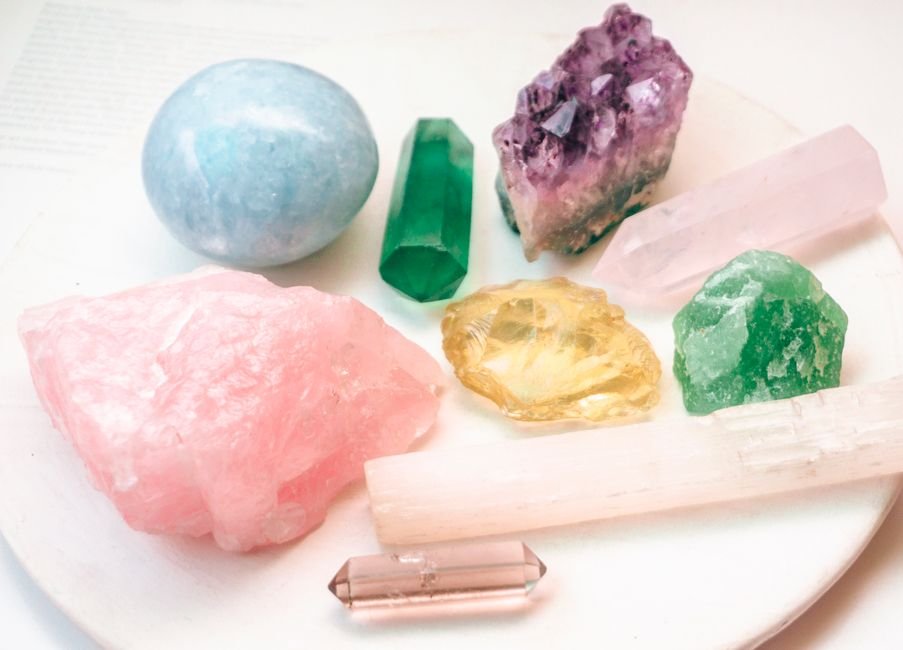
To recharge a crystal that feels dead, the most common methods practitioners use are moonlight, sound (like a singing bowl), burying it briefly in soil, or resting it on a selenite slab — with the right method depending on your specific stone. Physically, nothing measurable changes in the mineral during any of these rituals. What usually shifts is you: renewed attention, a fresh ritual, and a reset intention often make a stone “feel” different again, even though its chemistry hasn’t moved at all.
This guide walks through why a crystal feels dead in the first place, which recharging method fits which stone, the myths that lead people to accidentally damage their crystals, and a step-by-step process you can repeat any time a stone feels flat.
The 5 Safest Ways to Recharge a Crystal That Feels Dead
- Moonlight — the safest all-around method; works for nearly every stone, including color-sensitive ones
- Sound — a singing bowl, bell, or tuning fork “vibrates” stagnant energy loose, according to practitioners
- Soil burial — briefly burying a stone (wrapped, if it’s soft or porous) to “ground” it
- Selenite plate — resting the stone on selenite, which many practitioners treat as self-cleansing and able to recharge other stones
- Brief, monitored sunlight — safe only for sun-stable stones like clear quartz or citrine; avoid for color-sensitive stones
Each method suits different stones and different living situations — a windowsill works fine for moonlight, but not everyone has outdoor soil access. The sections below match methods to stone types so you’re not guessing.
Why a Crystal “Feels Dead” in the First Place
Practitioners generally point to a handful of causes when a stone stops feeling vibrant:
- Overuse without cleansing — heavy meditation, healing work, or daily wear without a reset
- Prolonged neglect — sitting untouched and uncleansed for months
- Emotional burnout on your side — this is the cause most guides skip. Practitioners increasingly acknowledge that when you’re stressed, distracted, or emotionally flat, your crystal work can feel the same way — not because the stone changed, but because your attention and expectation did.
That last point matters for troubleshooting: before assuming a crystal needs an elaborate recharging ritual, it’s worth asking whether the “dead” feeling is really about the stone or about where you’re at. (The habituation side of this is covered in can a crystal stop working over time.)
What Science Says About “Recharging” a Crystal
Direct answer: no measurable physical change occurs in a mineral during a moonlight bath, sound bath, or soil burial. A crystal’s atomic structure, hardness, and composition are set during formation and don’t shift because of ritual exposure to light, sound, or soil.
What does happen, according to the research on crystal healing more broadly, lines up with the placebo effect rather than any stored charge. Wikipedia’s overview of crystal healing notes that researchers have found no scientific basis for energy concepts like chakras or blocked/depleted energy — these are understood as spiritual or religious framing rather than measurable phenomena. And per Healthline’s review of the science, a controlled study comparing real crystals to indistinguishable fakes found participants reported similar effects regardless of which one they held — strong evidence that renewed attention and expectation, not a physical recharge, is doing the work.
Practically, this means: the ritual isn’t pointless — pausing, setting an intention, and giving a stone your full attention for a few minutes is a small mindfulness practice with real psychological benefit. It’s just not evidence that the crystal itself was “topped up.”
Matching the Recharging Method to Your Stone
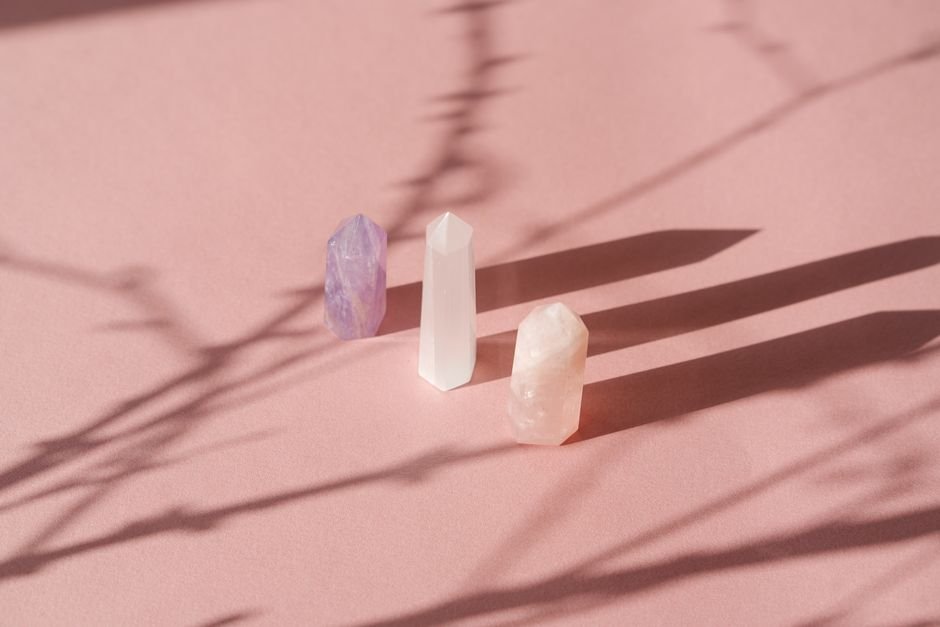
This is the section most competing guides handle poorly — treating every stone the same way, which risks real damage. Here’s how to choose:
| Method | Good for | Avoid for |
|---|---|---|
| Moonlight | Nearly all stones, including amethyst, rose quartz, moonstone | Rarely a risk — safest default |
| Sound (singing bowl) | All stones — no light, water, or soil contact | No major restrictions |
| Soil burial | Sturdy, less porous stones (clear quartz, tiger’s eye) | Soft or water-sensitive stones unless well-wrapped; delicate polished pieces |
| Selenite plate | Almost all stones for a quick reset | Selenite itself shouldn’t be combined with water |
| Direct sunlight | Sun-stable stones: clear quartz, citrine, carnelian, sunstone | Amethyst, rose quartz, fluorite, kunzite — sunlight fades these permanently |
Water-based methods (not listed above but common in other guides) should be avoided entirely for selenite, fluorite, lepidolite, malachite, and other soft or water-soluble stones, since water can dissolve or damage them regardless of any “energy” claims.
Common Myths About Recharging Crystals
- Myth: Every method is safe for every stone. This is the most damaging myth in circulation. Sunlight is genuinely risky for amethyst and rose quartz — GIA’s amethyst care guide confirms that prolonged exposure to strong light can permanently fade amethyst’s color, which is documented gemology, not belief. (Our guide on can crystals lose their power includes a full sun-sensitivity table by stone.)
- Myth: A crystal that “feels dead” can never come back. Practitioners overwhelmingly treat this as temporary and fixable through cleansing and recharging — not a permanent state.
- Myth: Longer recharging is always better. More time in direct sunlight increases fading risk for color-sensitive stones; there’s no belief-based or physical reason to over-expose a stone once it’s been cleansed.
How to Recharge a Crystal: Step-by-Step

- Identify your stone type. This determines which methods are safe — check the table above before doing anything else.
- Pick a safe method for that specific stone (moonlight and sound are safe defaults for almost everything).
- Cleanse first. A quick smoke pass, a wipe-down, or a few minutes on a selenite plate clears surface dust and gives you a fresh starting point.
- Recharge overnight (or for the duration your chosen method calls for — sunlight sessions should be much shorter, an hour or two at most, for stones that can tolerate it at all).
- Set a fresh intention. Many practitioners hold the stone and restate what they want it to support as the final step in “reactivating” it.
- Check its physical condition while you’re at it — a quick look for chips, cracks, or dulling helps you catch real damage early, separate from any energy narrative.
When This Doesn’t Apply: Soft and Water-Sensitive Stones
The recharging steps above assume a fairly resilient stone. They don’t apply cleanly to soft or water-sensitive types — selenite, fluorite, lepidolite, malachite, and calcite among them. For these:
- Skip water entirely, including rinsing, salt water, and rain exposure
- Skip harsh, prolonged sun, which can fade or dry out some of these stones faster than harder minerals
- Favor moonlight, sound, or a very brief selenite rest instead — all low-risk regardless of the stone’s hardness
If you’re not sure whether a stone is water- or sun-sensitive, treat it as sensitive by default and stick to moonlight or sound — both are safe across virtually every crystal type.
Building a Recharge Routine
Rather than recharging only when a stone feels dull, many practitioners build a simple rotating schedule — for example, cleansing and recharging all actively used stones on each full moon, with an extra sound-bath session for anything used heavily that month. A predictable rhythm removes the guesswork of “does this feel dead yet?” and keeps the ritual consistent, which is also the part most likely to genuinely support your own sense of calm and focus, independent of any belief about the stone itself.
FAQs
Is moonlight enough to recharge a crystal?
Yes, according to practitioner consensus — moonlight (especially a full moon) is considered one of the safest and most universally effective recharging methods, since it carries no fading, water-damage, or heat risk the way direct sunlight can for certain stones.
Can I recharge crystals indoors?
Yes. A windowsill that gets moonlight works the same way as leaving a stone outside, according to common practice. Sound recharging (a singing bowl or bell) also works entirely indoors and carries no light or moisture exposure at all, making it a good year-round indoor option.
How long does a crystal need to recharge?
Most practitioner guides suggest overnight for moonlight or soil burial, and just a few minutes for sound. There’s no scientific basis for a specific duration — treat these as ritual guidelines, not measurable requirements.
Can recharging actually damage a crystal?
Yes, if you use the wrong method. Extended direct sunlight is the biggest real risk, permanently fading amethyst, rose quartz, citrine, and fluorite. Water is a similar risk for selenite, fluorite, lepidolite, and other soft or soluble stones. Moonlight and sound avoid both risks entirely.
What if my crystal still feels dead after recharging?
Consider whether the fatigue is really about your own energy and attention rather than the stone — many practitioners note this is a common, overlooked cause. If a physical explanation seems more likely, check for dust or surface grime (a simple wipe-down can help) or for actual cracking, which recharging can’t fix. Storage and environment factors are covered in what blocks crystal energy.
Key Takeaways
- To recharge a crystal that feels dead, moonlight, sound, soil burial, and selenite are the most commonly used and safest methods — match the method to your specific stone.
- No physical or chemical change occurs in a mineral during any recharging ritual; what shifts is usually your own attention and expectation.
- Sunlight and water are the two methods most likely to cause real, permanent damage if used on the wrong stone — check sensitivity before using either.
- A “dead” feeling is sometimes about the user’s own energy or burnout rather than the crystal — worth considering before assuming the stone itself is the problem.
Leave a Reply