
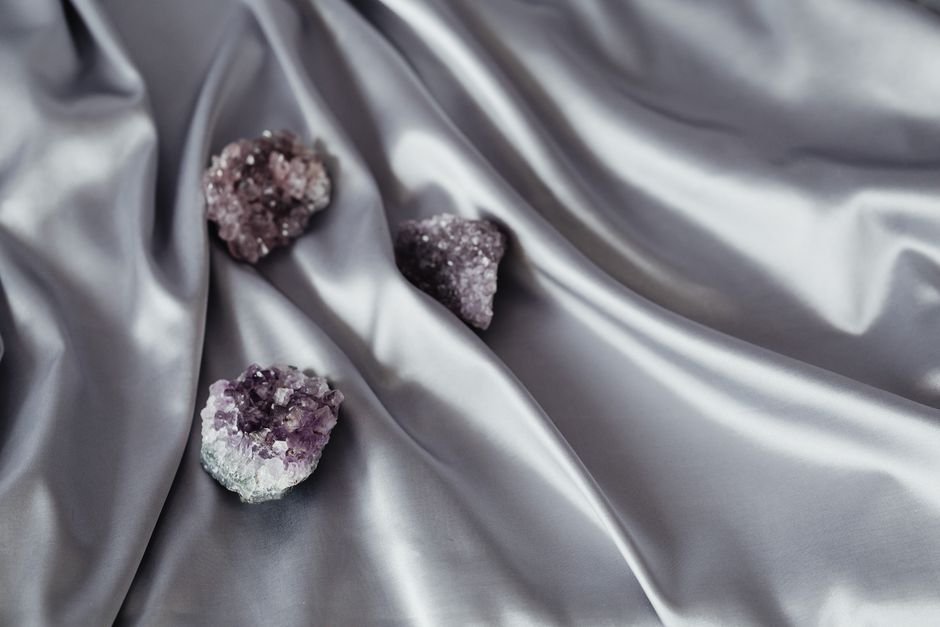
Short answer: Can a crystal stop working over time? In the belief system around crystal healing, yes — practitioners describe stones as becoming “energetically depleted” or “clogged” from absorbing energy and needing regular cleansing and recharging. Realistically, no physical property of the mineral changes just from being used. What’s actually happening is far more mundane and well understood: the novelty of a new ritual wears off, and repeated exposure to the same object or practice naturally fades in psychological intensity — a documented pattern called habituation, not a change in the stone.
This guide breaks down both explanations honestly, what can actually alter a crystal (versus what only feels that way), and the practical steps to try if a stone that once felt meaningful now feels flat.
Can a Crystal Stop Working Over Time? (Quick Answer)
There’s no evidence that a crystal’s physical structure changes from ordinary handling, wearing, or meditating with it — quartz, amethyst, and similar minerals are chemically stable and don’t “run down” like a battery. What people are usually noticing is one of two very normal things: either the ritual has become routine and stopped producing the same emotional lift (a well-documented psychological pattern), or something practical changed — you stopped cleansing it, your goals shifted, or the stone was physically damaged or exposed to sun/heat that altered its actual color. Both are fixable without needing to explain it as the crystal “dying.”
The Real Reasons a Crystal Starts to Feel “Dead”
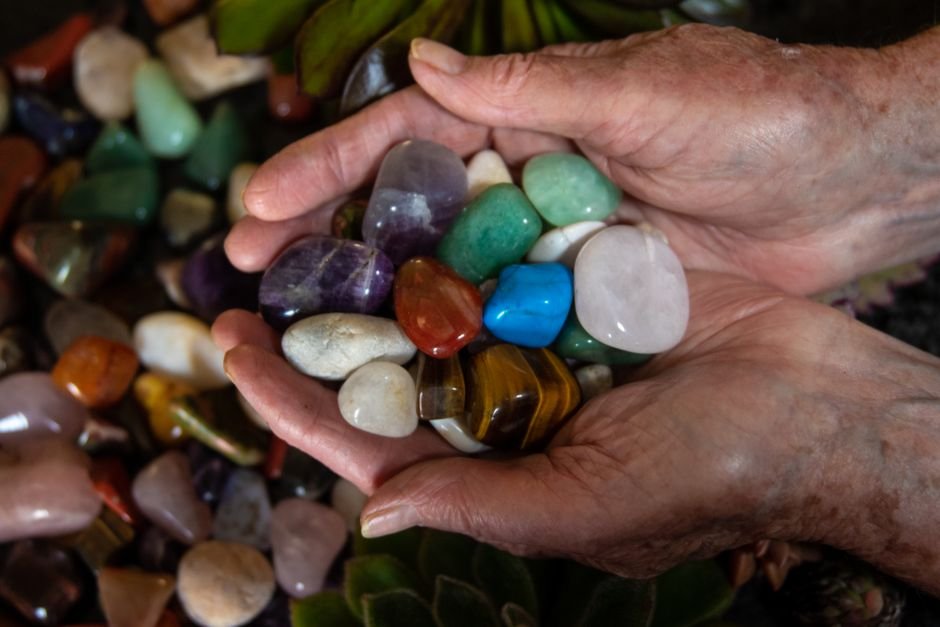
1. Habituation to the ritual
The first time you held a new crystal with a clear intention, the entire experience was new — new object, new routine, focused attention. That novelty is a big part of why it felt powerful. As the practice becomes familiar, the same ritual naturally produces a smaller emotional response, the same way a new car stops feeling exciting after a few months of driving it.
2. Lack of cleansing
Whether or not you buy into the idea that crystals “absorb” negative energy, skipping the cleansing ritual altogether does remove a step that resets your attention and intention toward the object — often the actual source of any felt effect in the first place.
3. Physical damage
A cracked, chipped, or dulled crystal can feel less special simply because it looks different, independent of any energetic explanation. Damage from being dropped, exposed to chemicals, or handled roughly is a mundane but common reason a stone “isn’t the same.”
4. Changing life circumstances or goals
A stone chosen for a specific goal — say, sleep support during a stressful period — will naturally feel less relevant once that period passes or your priorities shift. That’s not the crystal failing; it’s the original intention no longer matching your current situation.
What Science Says About the Fading Effect
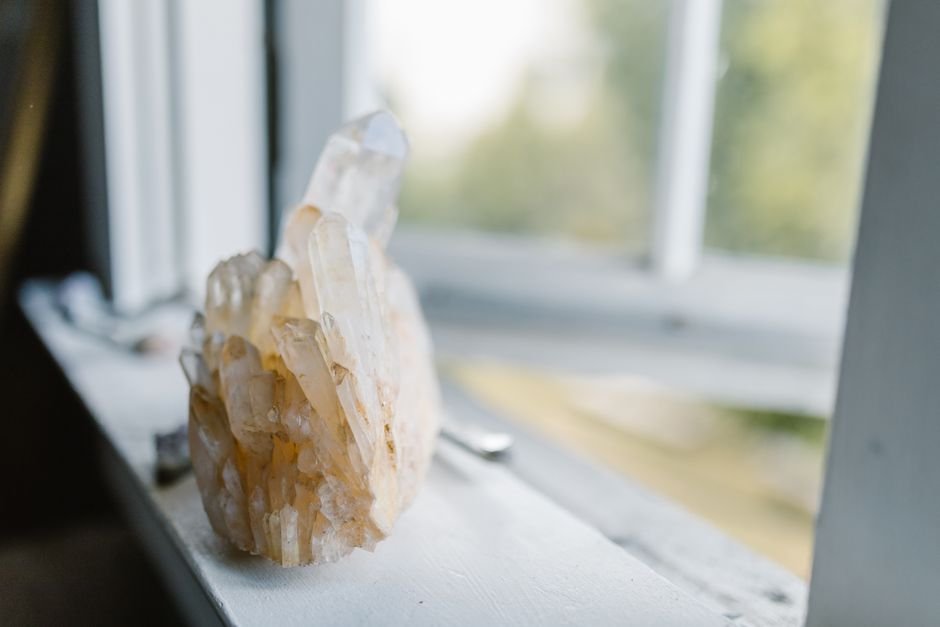
- No known mechanism changes a crystal’s properties through normal use. Quartz-family minerals (amethyst, rose quartz, citrine, clear quartz) are chemically stable structures; touching, wearing, or meditating with them does not alter their composition.
- Habituation and “hedonic adaptation” explain the emotional fade well. Psychology research on this exact pattern — the excitement of something new wearing off as it becomes routine — shows that repeated exposure to the same stimulus reliably produces a smaller emotional response over time, whether the object is a new car, a promotion, or a wellness ritual.
- Color changes can be real, but they’re physical, not energetic. Amethyst in particular is well documented to fade or shift color with prolonged sun or UV exposure and heat, due to a genuine mineralogical process (breakdown of iron-related “color centers” in the crystal structure) — this is a real, measurable phenomenon, but it’s chemistry, not energy loss.
- The placebo and ritual effects that made the crystal “feel” powerful initially are themselves known to weaken with repetition unless the ritual, intention, or context is refreshed — which is consistent with why re-cleansing and resetting an intention often does restore some of the felt effect, even without any change to the stone itself.
What Crystal Traditions Believe About Energetic Depletion
Within crystal-healing belief systems, the explanation for a “flat” crystal is framed very differently, and it’s worth understanding on its own terms:
- Energetic clogging: the idea that crystals absorb “negative” or “stagnant” energy from their environment, the people around them, and even your own stress, gradually dulling their effectiveness until cleansed.
- Overwork: some traditions describe crystals as needing rest after intense use — particularly stones used during emotional processing, grief work, or high-stress periods — similar to how a person might need a break after supporting someone through a hard time.
- Completed purpose: a belief that a crystal may stop “resonating” or even crack because its work with you is done, not because anything has gone wrong.
- Dormancy, not death: most traditions distinguish between a crystal being temporarily “dormant” (fixable through cleansing and recharging) and permanent loss, with the latter considered rare.
These are traditional and spiritual beliefs, not scientifically validated claims about the mineral’s physical state. They can be a meaningful framework for a ritual you already find valuable, but they shouldn’t be read as an established fact about why a stone feels different to you now.
Common Myths About Crystals “Dying”
- Myth: A crystal that stops feeling special is permanently “dead.” Most crystal traditions themselves reject this — a flat-feeling stone is generally described as needing cleansing and rest, not as permanently non-functional, and from a scientific view there was never a measurable “charge” to lose in the first place.
- Myth: Color fading always means energy loss. Sometimes a genuine color change is simply sun-bleaching or heat exposure — a real, physical, chemical process (well documented in amethyst specifically) that has nothing to do with “energy,” positive or negative.
- Myth: A broken crystal means something went badly wrong. Cracks are far more often the result of ordinary physical stress — a drop, temperature shock, or a pre-existing internal flaw — than any energetic event. We cover the physical causes in why did my crystal crack by itself.
- Myth: You must recharge on an exact schedule or the stone becomes useless. There’s no tested “expiration window” for crystal energy; treat cleansing schedules from any source as a personal ritual guideline, not a hard requirement with real stakes if missed.
Step-by-Step: How to Try Reviving a Crystal
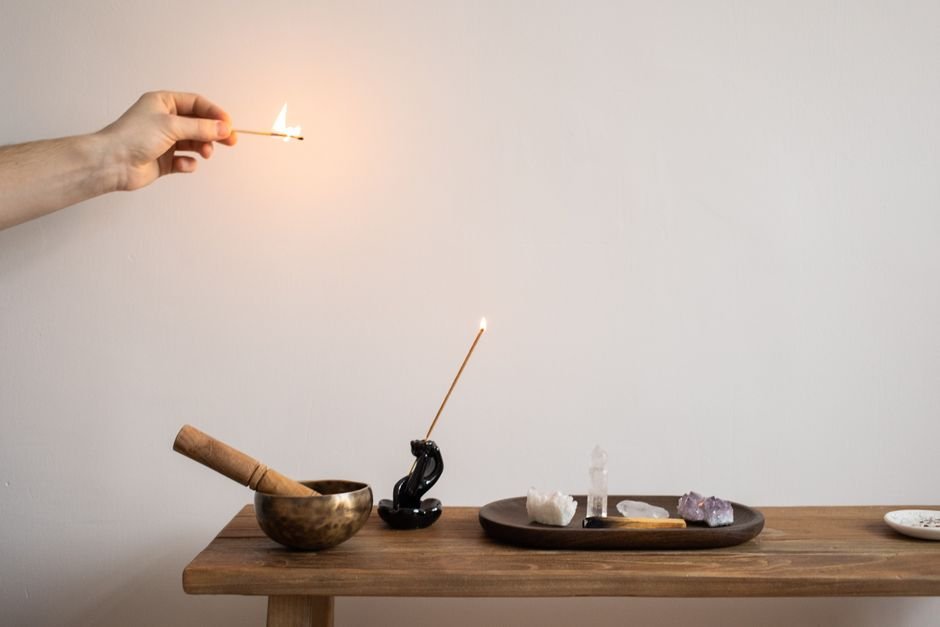
- Check if it’s water-safe first. Selenite, calcite, malachite, and turquoise can be damaged by water — confirm your stone’s type before rinsing it.
- Cleanse it. Use running water (if safe), moonlight overnight, or incense smoke to reset the object and your own attention toward it.
- Recharge in sunlight or moonlight — with care. Moonlight avoids fading risk entirely; if using sunlight, keep exposure brief, since prolonged sun can visibly fade certain stones like amethyst.
- Reset your intention. Choose a clear, specific, and current goal rather than reusing an intention tied to a situation that’s already resolved.
- Take a short break, then reintroduce it. Set the stone aside for a week or two, then bring it back into your routine — this interrupts habituation and can make the ritual feel fresh again.
- Rotate in a different stone if it still feels flat. If cleansing, recharging, and a fresh intention don’t restore the feeling, that’s a reasonable point to introduce a new crystal rather than continuing to force a connection with the old one. For a deeper set of revival methods, see how to recharge a crystal that feels dead.
When It’s Not Energy Loss — It’s a Damaged or Synthetic Stone
If a “crystal” has changed color dramatically, developed unusual clarity, or never quite matched the appearance of natural stones to begin with, it’s worth considering a more mundane explanation: dyed glass, resin, or a synthetic stone can shift in appearance with sun and heat exposure in ways natural minerals typically don’t, and no cleansing ritual will change that underlying material. This isn’t a failure on your part — inexpensive “crystals” sold online are frequently dyed or lab-made, and a dramatic, permanent change in appearance is a more useful clue about authenticity than about “energy.” Here’s how to tell if a crystal is real before you blame energy loss.
FAQs
How often should I recharge my crystals?
There’s no scientifically tested schedule, since there’s no measured energy to track. As a personal ritual guideline, many crystal practitioners suggest cleansing daily-use stones weekly, occasional-use stones monthly, and any stone immediately after an intense emotional session — treat this as a helpful routine, not a strict requirement.
Can a crystal be revived after months of neglect?
In terms of the ritual and your relationship with the object, yes — a simple cleanse (water-safe check first), a period in moonlight, and a fresh, specific intention can make a long-neglected stone feel meaningful again. In terms of physical properties, an unused crystal hasn’t “declined” in the first place; there was nothing measurable to restore.
Is it normal for a favorite crystal to stop feeling special?
Yes, and it’s actually the expected pattern based on how habituation works — the emotional intensity of any repeated ritual naturally fades as it becomes familiar, independent of whether a stone is involved. This doesn’t mean the practice has failed; it may just be time to refresh the ritual or introduce something new.
Does a crystal breaking mean it “used up” its energy?
There’s no scientific mechanism linking use to breakage — cracks are almost always explained by physical stress like drops, temperature changes, or existing internal flaws. Some traditions interpret a break as symbolic (the crystal’s “work” being done), which can be a meaningful framework personally, but it isn’t a demonstrated physical process.
Should I be worried if my amethyst has faded?
Not for safety reasons — fading in amethyst is a well-documented, harmless chemical response to prolonged sunlight or heat, affecting the stone’s color centers. It’s worth knowing about so you can store amethyst out of direct sun if you want to preserve its original color, but it isn’t a sign of anything going wrong beyond that cosmetic change.
Key Takeaways
- There’s no evidence that ordinary use changes a crystal’s physical properties — quartz-family minerals are chemically stable.
- The “fading” feeling most people describe is well explained by habituation: the novelty of any ritual naturally wears off with repetition.
- Genuine color changes (like amethyst fading) are real but are a documented chemical response to sunlight and heat, not energy loss.
- Cleansing, recharging, resetting your intention, or taking a short break can restore the ritual’s felt effect even though nothing about the mineral itself has changed.
- A dramatic, permanent appearance change is more often a sign of a dyed or synthetic stone than of “energy depletion.”
Leave a Reply