Last Updated on August 19, 2026 by Umar Farooq
A broken crystal doesn’t need any special ritual to be “allowed” to move on — but if you want one, you have options. The most common choices are: repurpose the pieces into jewelry or a crystal grid, place them in a garden or potted plant, return them to the earth through burial, gift them to someone else, or simply keep the broken stone as-is on a shelf or altar. Which option is right depends on the crystal’s size, sharpness, and mineral makeup — not on any rule about what you’re “supposed” to do.
This guide walks through all seven respectful options, separates the geology from the folklore, and flags the one mistake that actually matters: burying the wrong kind of stone.
Why a Broken Crystal Isn’t a Problem to Solve
Before getting into options, it helps to know what’s actually happening when a crystal breaks. Geologically, crystals fracture because of internal flaws, sudden temperature changes, or a hard knock — nothing more mysterious than that. The Mohs scale, which ranks how easily a mineral scratches or chips, shows that hardness varies widely between stones, and softer, more brittle minerals are simply more prone to cracking under stress. A quartz point dropped on tile and a gypsum tower left in a humid bathroom are breaking for two very different, very physical reasons. (For the full breakdown of causes, see why did my crystal crack by itself.)
Within crystal healing communities, a break is often given a different meaning: that the stone absorbed more than it could hold, or that its “job” is finished. That’s a belief within a spiritual practice, not a measurable fact — and treating it as either one, without labeling which is which, is where most broken-crystal advice goes wrong. This guide keeps the two separate throughout.
7 Respectful Things to Do With a Broken Crystal
1. Repurpose It Into Jewelry or a Crystal Grid
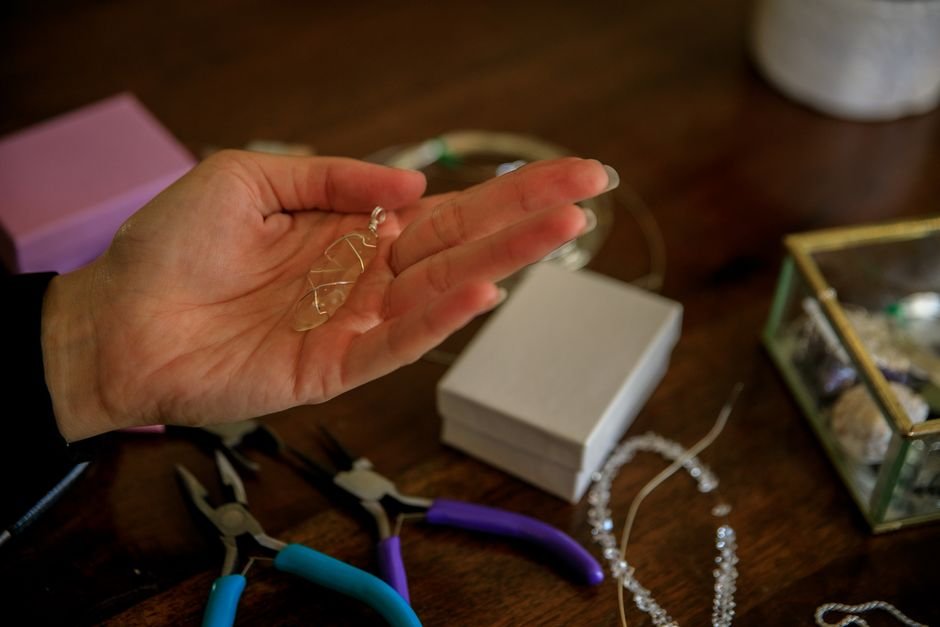
Small, clean shards work well wire-wrapped into a pendant, set into a ring bezel, or added to a bracelet. Larger fragments can anchor a crystal grid, where several stones are arranged in a geometric pattern — the broken piece doesn’t need to look “whole” to hold a place in the layout. This is one of the most popular options because it keeps the stone in daily use rather than putting it away.
2. Place the Pieces in Your Garden or a Potted Plant
Tucking broken crystal fragments into a flower bed or the soil of a potted plant is a middle ground between burial and display — you still get to see the stone, and it’s framed as “returning” some of its energy to a living space. This only works safely with hardy, insoluble stones (more on that below); skip it for anything that could leach into the soil.
3. Return It to the Earth Through Burial
Full burial — digging a small hole and covering the piece with soil — is the option most associated with “closure” in crystal healing circles. Some people say a few words of thanks as they cover it, treating it as a short, low-key ritual rather than a religious ceremony. It’s a practical choice for pieces too small, sharp, or fragmented to repurpose. (See should I bury a broken crystal for the full how-to and which stones to skip.)
4. Gift Pieces to Friends or Family
If a crystal breaks into two or more usable chunks — and a clean split down the middle carries its own meaning — splitting them between people is a common practice — each recipient gets their own piece to work with, cleanse, and set their own intentions for. It’s a low-cost, low-waste option that also solves the “what do I do with all these pieces” problem in one step.
5. Keep It As-Is on an Altar or Display Shelf
Nothing requires you to do anything at all. A cracked stone sitting exactly where it landed — on a windowsill, an altar, a bookshelf — is a perfectly valid outcome. This is often the right call for a stone with sentimental value where you’re not ready to change its form or part with it — and yes, you can still use a broken crystal exactly as you did before, once it passes a basic safety check.
6. Glue It Back Together (When the Break Is Clean)
If you have all the pieces and the break is a clean split rather than a shatter, a strong adhesive made for stone — cyanoacrylate (“super glue”) or an epoxy like E6000 — can put the crystal back into one usable piece. Apply glue sparingly to avoid visible seams, clamp or hold the pieces until set, and avoid hot glue on stones that are sensitive to heat. This won’t restore the crystal’s structural strength to its original level, so treat a glued piece as decorative rather than something to be dropped again.
7. Add the Fragments to a Candle or Craft Project
For pieces too small or numerous to glue, repurpose, or display individually, folding a few chips into a poured candle, resin coaster, or piece of wall art gives them a second life in a completely different form. This works especially well for stones that have shattered into gravel-sized bits, where jewelry-making isn’t realistic.
Is It Disrespectful to Throw a Broken Crystal Away?
Direct answer: no. There’s no scientific basis for treating crystal disposal differently from any other mineral or rock — a broken crystal is, physically, just a piece of mineral matter. Within crystal healing traditions, opinions are genuinely split: some practitioners say broken stones (“empathic warriors,” as author Judy Hall called them) should never be discarded, while others treat a break as a natural, unremarkable end to the stone’s use. Neither view is a rule that binds everyone — they’re two schools of thought inside one belief system.
The myth that persists: that discarding a crystal is bad luck or disrespects its “energy.” If a piece is too small, too sharp, or made from a stone you can’t safely bury or repurpose, throwing it away is a practical decision, not a spiritual failure. If it would make you feel better, a two-minute “thank you” before it goes in the trash gets you the same sense of closure as a burial ritual — it’s the intention that matters to people who practice this way, not the specific disposal method.
Can You Bury Any Broken Crystal? Not Quite
This is the one place where “just bury it” advice can actually cause a problem — and it’s the detail most broken-crystal guides skip entirely.
Some popular crystals are water-soluble or contain elements that shouldn’t go into soil that reaches plants, pets, or groundwater:
- Selenite and satin spar (gypsum): These slowly dissolve with moisture exposure and will degrade in damp soil over time.
- Halite (rock salt): Dissolves quickly in any moisture and can affect soil salinity around plants.
- Calcite: Reacts with acidic soil and can etch or dissolve gradually.
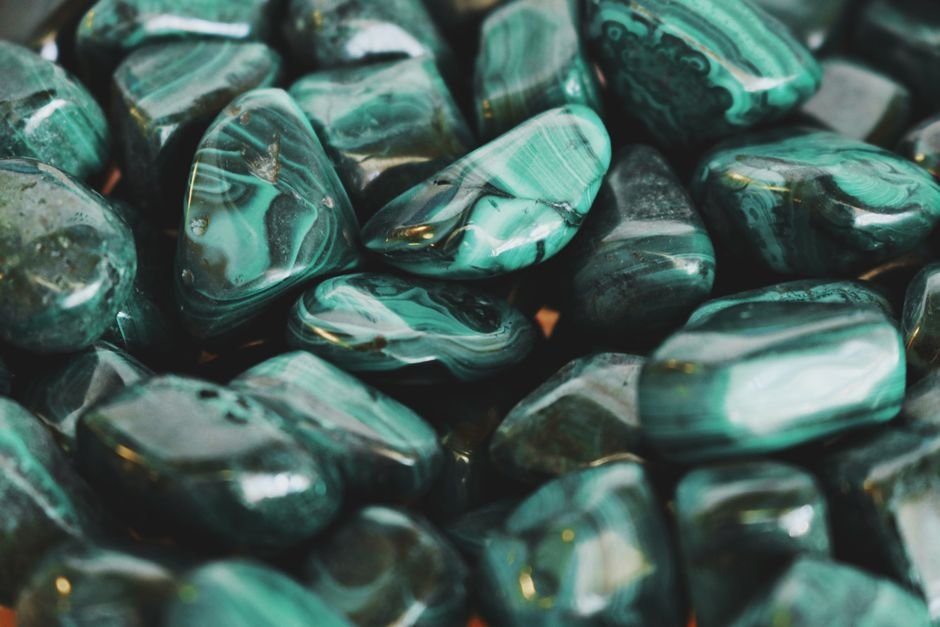
- Malachite and azurite: Contain copper. Wet or acidic soil can leach copper compounds out of the stone, and copper in high concentrations is toxic to some plants, pets, and aquatic life.
For any of these, skip burial. A dry decorative bowl, a windowsill, or repurposing into jewelry (which keeps the stone dry and handled, not buried) are safer choices. Hardier, water-stable stones — quartz, amethyst, citrine, and other varieties near the top of the Mohs hardness scale — are generally fine to bury or place directly in garden soil.
How to Decide: A Quick Troubleshooting Checklist
- Check the size and sharpness. Small, dull, or rounded pieces are easiest to repurpose or bury. Large, jagged shards need careful handling — wrap them or smooth the edges before deciding.
- Identify the mineral, if you can. Look it up by name before burying or placing it near plants or pets, especially for gypsum-based (selenite, satin spar) or copper-based (malachite, azurite) stones.
- Choose repurpose, bury, gift, or keep. Match the option to what’s left of the stone — a single clean shard suits jewelry; a scatter of gravel-sized pieces suits a candle or garden bed (if the mineral is safe for soil).
- Cleanse before repurposing. If you’re setting the crystal in jewelry or gifting it, many practitioners recommend a quick cleanse first — smoke from a dry herb, moonlight, or placing it near a selenite plate are common non-water methods, useful since some stones (as above) shouldn’t get wet at all.
Real Example: Burying a Cracked Amethyst Cluster
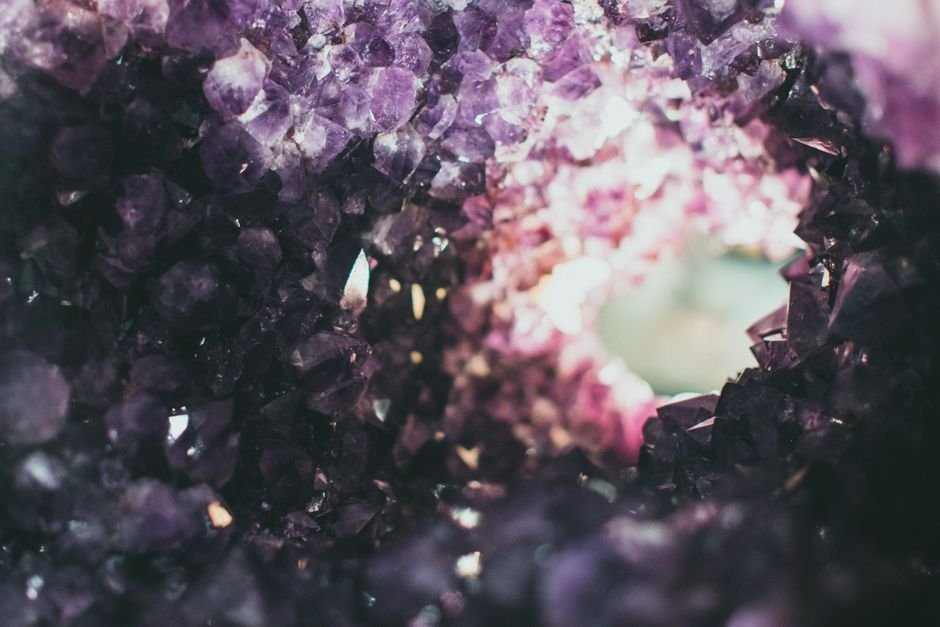
A cracked amethyst cluster too fragile to glue back together is a good candidate for burial: amethyst is a form of quartz, hard and water-stable, so it won’t dissolve or leach anything harmful into soil. Rather than trying to repair a piece unlikely to hold together, burying it in a garden bed — with or without a short “thank you” — closes things out cleanly and avoids the frustration of a repair that won’t last.
Two Things Most Guides Skip
How to Handle a Broken Crystal Safely Before You Decide Anything
Most articles jump straight to “bury it or gift it” without covering basic handling safety. Before you repurpose, glue, or move a broken piece:
- Clear the area first. Sweep or vacuum any small shards or dust so they don’t end up underfoot or in a pet’s paw.
- Wear gloves for jagged pieces. Fresh mineral breaks can be sharp enough to cut skin, especially on harder stones like quartz.
- Wash your hands after handling raw or unpolished pieces — this matters most for copper-bearing stones like malachite, where dust or residue shouldn’t be ingested.
- Store loose fragments in a lined box or pouch, not loose in a drawer, until you’ve decided what to do with them.
The Environmental Angle Nobody Mentions
Crystals are mined minerals, and most common varieties — quartz, amethyst, citrine, jasper — are chemically inert and won’t harm soil or groundwater if buried, similar to burying a plain rock. That’s genuinely good news if you’re leaning toward burial for environmental reasons. The exception is the same one that matters for safety: stones containing copper (malachite, azurite, chrysocolla) or other heavy metals shouldn’t be treated as “just a rock” when it comes to soil and water contact, since those elements can leach out and accumulate. If you’re unsure whether a stone is inert, treat it like the copper-bearing group and keep it dry and out of garden beds.
Choosing What’s Right for Your Stone
There’s no single correct answer to what to do with a broken crystal — the practical, respectful choice is whichever option matches the piece’s size, sharpness, and mineral makeup. A hardy quartz point has more options open to it (bury, garden, jewelry, gift) than a soft, water-soluble selenite wand does (dry display or repurposing only). Start with the safety check, then pick the option — repurpose, bury, gift, or keep — that actually fits what’s left in your hands.
Questions About Broken Crystal Options
Is it disrespectful to throw a crystal away?
No — there’s no scientific requirement to keep or bury a broken crystal, and no spiritual tradition universally forbids discarding one. If a piece is unsafe (sharp, crumbling, or made of a toxic mineral) and repurposing or burial isn’t practical, throwing it away is a reasonable, respectful choice. Many practitioners simply prefer a closing ritual — a thank-you, a cleanse, then burial or the trash — so the decision feels intentional rather than careless.
Can I bury any crystal?
Most crystals are safe to bury, but not all. Water-soluble stones like selenite, satin spar, halite, and calcite will slowly dissolve in damp soil, and copper-bearing stones like malachite or azurite can leach copper into soil that reaches plants, pets, or groundwater. For those, choose a dry indoor spot, a decorative bowl, or repurposing instead of burial.
Do broken crystals lose their healing properties?
According to crystal healing practitioners, no — a broken crystal is believed to keep the same mineral composition and is often described as having ‘more surface area’ for its energy to work through. This is a belief within crystal healing traditions, not a scientifically measured effect; mainstream science does not recognize crystals as having healing properties to begin with.
What does it mean spiritually when a crystal breaks?
In crystal healing traditions, a break is commonly interpreted one of two ways: the stone ‘absorbed’ more negative energy than it could hold, or it completed its purpose in your life and is signaling a transition. Both are traditional interpretations rather than proven mechanisms — geologically, crystals break due to internal flaws, temperature shock, or physical impact.
Should I glue a broken crystal back together?
You can, if the pieces are large and the break is clean. Use a strong adhesive rated for stone, such as a cyanoacrylate (‘super glue’) or E6000, apply sparingly, and let it cure fully before handling. Avoid hot glue on heat-sensitive stones, and skip gluing altogether if the crystal has shattered into many small fragments — repurposing is usually more practical.