Last Updated on August 19, 2026 by Umar Farooq
Short answer: If your crystal cracked by itself, it’s almost always the result of internal stress fractures, a sudden temperature change, or a small impact you didn’t notice — not something happening “on its own” in a mystical sense. Every mineral has physical limits, and once those limits are exceeded, it breaks. Below, we’ll walk through the real causes, what the science says, what some crystal practitioners believe, and exactly what to check before you decide your crystal is doomed — or fine to keep using.
Why Did My Crystal Crack By Itself? The Short Answer
When people ask why did my crystal crack by itself, they usually mean the crack appeared without them dropping, hitting, or squeezing the stone. That doesn’t mean there was no physical cause — it means the cause wasn’t obvious. In nearly every case, one of these is responsible:
- The crystal already had a hidden internal flaw from its formation
- It went through a fast temperature change (thermal shock)
- It has a natural cleavage plane that finally gave way
- It absorbed cumulative stress from handling, moisture, or being knocked against something without you noticing at the time
Spiritual interpretations exist too, and we’ll cover them honestly — but they sit alongside the physical explanation, not in place of it.
5 Real Reasons Crystals Crack On Their Own
1. Thermal Shock (Hot Car to Cold Room, or Vice Versa)
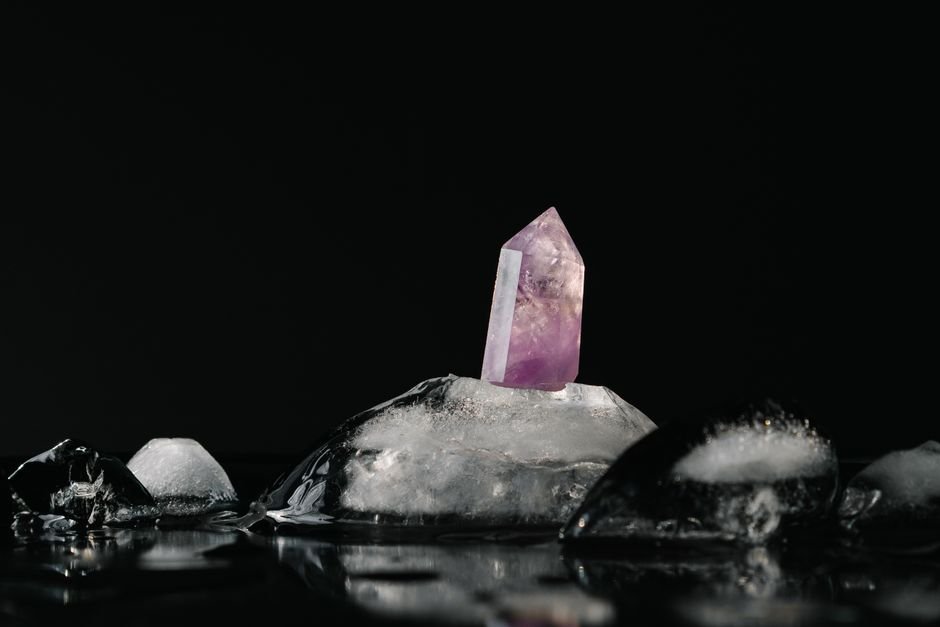
Minerals expand when warm and contract when cool. When a crystal moves quickly between two very different temperatures — say, a sun-baked car dashboard into an air-conditioned house — the outer layer of the stone changes temperature faster than its core. That mismatch creates internal stress, and if the stress exceeds what the crystal’s structure can absorb, it cracks. This is the same mechanism that causes a cold drinking glass to shatter when hot water is poured into it. As material science explains it, thermal shock happens when a sudden temperature change creates internal tension, because a material expands or contracts unevenly across its different parts as it heats or cools. Quartz and other crystals aren’t immune to this — a rapid swing of even a few degrees, if sudden enough, can be enough to trigger a crack along an existing weak point. You can see the same mechanism explained in more technical detail in this overview of thermal shock.
2. Pre-Existing Internal Flaws
Most “spontaneous” cracks aren’t spontaneous at all — they’re pre-existing. As a crystal grows in the earth, it can develop microscopic inclusions, uneven growth layers, or hairline internal fractures that are invisible to the naked eye. These flaws sit dormant until something (heat, cold, pressure, or even just gravity over time) gives them enough energy to finally separate. If you’ve ever bought a “perfect” specimen that cracked a week later, this is usually why — the flaw was there before you owned it.
3. Accidental Drops or Knocks You Didn’t Notice
A surprising number of “it just cracked while sitting on my shelf” stories trace back to a bump that happened earlier and simply wasn’t noticed — a vacuum cleaner nudging a shelf, a book falling nearby and vibrating a surface, a pet brushing past. Crystals can develop a hairline crack from one incident and then fully separate hours or days later when a small additional stress (even normal room-temperature changes) finishes the job.
4. Natural Cleavage Planes in the Mineral
Some minerals aren’t just prone to breaking — they’re built to break in a specific direction. This is called cleavage: a plane of weaker atomic bonding running through the crystal’s structure. Cleavage describes how a crystal breaks under stress along a particular plane — if the broken piece keeps a smooth, flat face, the mineral is said to have cleavage. Fluorite, calcite, and selenite are well known for this; quartz, by contrast, has no cleavage and instead fractures unevenly (you can browse examples in this guide to mineral cleavage and fracture). If your crystal split along one clean, flat, almost mirror-like surface, a cleavage plane — not negative energy — is the most likely explanation.
5. Cumulative Stress From Handling, Moisture, or Storage
Cracking isn’t always caused by one dramatic event. Repeated handling, being stored in a damp environment, sudden sunlight exposure after being kept in the dark, or resting against harder stones in a drawer can all add small amounts of stress over weeks or months. Eventually that accumulated stress reaches the same breaking point a single hard impact would.
The Science Behind Spontaneous Cracking
Three concepts from mineralogy explain nearly every case of a crystal cracking “by itself”:
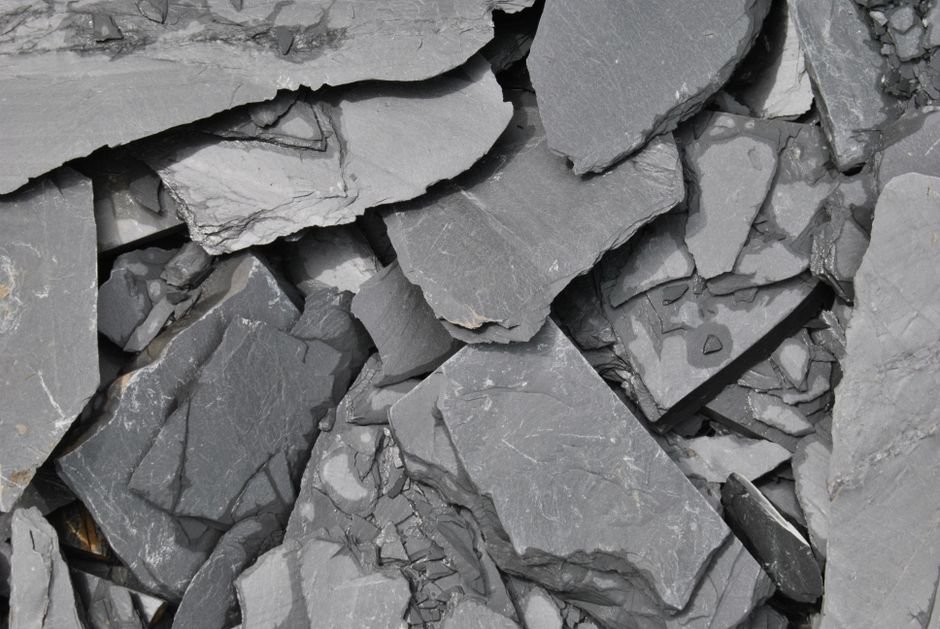
- Cleavage and fracture: As noted above, some minerals break along smooth planes (cleavage), while others — like quartz — break unevenly (fracture), often in a curved, shell-like pattern called conchoidal fracture.
- Mohs hardness: Hardness measures resistance to scratching, not resistance to breaking — a common misconception. The Mohs Hardness Scale ranks minerals from softest (talc) to hardest (diamond) based on resistance to being scratched, not resistance to breaking. A crystal can rank high on the Mohs scale (meaning it’s hard to scratch) and still crack easily under impact or temperature stress, because hardness and toughness are different properties entirely.
- Thermal expansion and contraction: As covered above, uneven expansion or contraction from rapid temperature change is one of the most common triggers for a crack that seems to appear out of nowhere.
Together, these three factors explain the overwhelming majority of “why did my crystal crack by itself” situations — no external force required, just physics acting on an already-vulnerable structure.
The Spiritual View: What Some Crystal Practitioners Believe
It’s worth being upfront here: this is a belief, not an established fact, and it isn’t something science has verified. Many crystal practitioners hold that a crystal can crack because it “absorbed” an unusually large amount of negative energy, or that it “did its job” by breaking to protect its owner during a difficult moment. Others interpret a crack as a sign that a crystal’s purpose with you has been fulfilled and it’s time to let it go or pass it on — we cover those options in what to do with a broken crystal.
If this interpretation brings you comfort or resonates with your own practice, there’s nothing wrong with holding it alongside the physical explanation — the two aren’t mutually exclusive. A crystal can have cracked because of thermal shock and you can choose to find personal meaning in the timing. What matters is not presenting the spiritual read as a scientifically confirmed cause, since it isn’t one.
Crack vs. Chip vs. Shatter: What’s the Difference?
These terms get used interchangeably, but they describe different kinds of damage — and the difference affects what you should do next.
- Crack: A line or fracture through the stone that may or may not go all the way through. The crystal often still holds together as one piece.
- Chip: A small piece has broken off, usually at a point, edge, or corner, from an impact.
- Shatter: The crystal has broken into multiple separate pieces, usually from a hard impact or being dropped on a hard surface.
A crack from thermal shock or a cleavage plane is generally a clean, straight, or shell-like line. A chip almost always points to a specific physical knock — though a crystal can chip without being dropped when a cleavage plane sits close to the surface. Shattering points to a single strong impact rather than a gradual internal cause.
Common Myths About Cracked Crystals — Busted
Myth: A cracked crystal always has spiritual significance.
Not necessarily. Plenty of cracks are purely mechanical — a temperature swing, a bump, or a flaw from formation. Assuming every crack is symbolic can mean missing a genuinely simple explanation, like the crystal being left near a window in direct sun.
Myth: High-quality or expensive crystals never crack.
Price and clarity reflect how a crystal looks, not how it will hold up to temperature swings or impact. Even museum-grade specimens have cleavage planes and internal flaws; cost has little to do with structural durability.
Troubleshooting: How to Check If Your Crystal Is About to Crack (Or Getting Worse)
If you’re worried about a crack spreading, or want to catch a problem before it fully separates, work through this checklist:
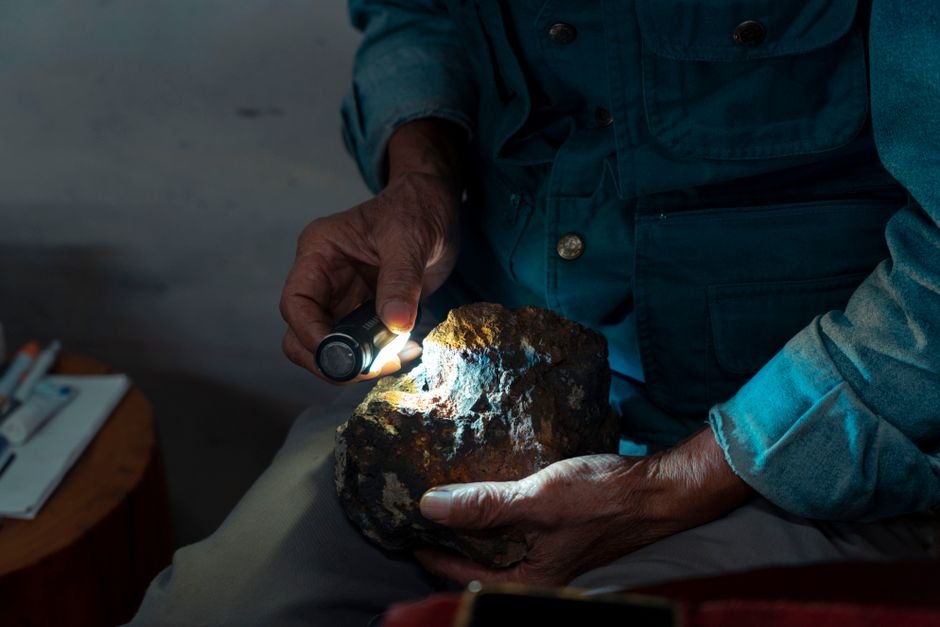
- Inspect for hairline cracks in good light. Turn the crystal slowly under a bright lamp or sunlight and look for thin lines that catch the light differently than the rest of the surface.
- Use a loupe or phone macro camera. Small internal flaws and hairline cracks are often invisible at normal viewing distance but show up clearly at 5–10x magnification.
- Check your handling and storage conditions. Is the crystal resting against harder stones? Stored somewhere with big daily temperature swings (a windowsill, a car, near a heating vent)?
- Watch for gradual lengthening. If you’ve already spotted a small crack, photograph it and check back in a week or two. A crack that’s visibly longer or wider is more likely to eventually separate; one that looks unchanged is often stable.
- Avoid future temperature swings. Once a crack exists, treat the crystal gently — avoid moving it quickly between hot and cold environments, since the existing weak point makes a second thermal shock more likely to finish the break.
When You Don’t Need a Deeper Explanation
If your crystal cracked right after it was dropped, knocked against a hard surface, or squeezed too tightly, you don’t need a spiritual or scientific investigation — that’s a straightforward mechanical cause, and it’s the most common one by far. Save the deeper explanations for cracks that genuinely appear with no clear trigger.
Is a Cracked Crystal Bad Luck? Can I Still Use It?
There’s no evidence that a cracked crystal brings bad luck — that idea comes from folklore and personal interpretation rather than any tested or verifiable source. As for use: a crystal that’s cracked but still in one piece is generally safe to keep using for display, meditation, or grids — see can you still use a broken crystal for the full breakdown. The main practical concerns are physical, not energetic — sharp edges that could cut you, and whether the crack is likely to worsen with continued handling. If it’s jewelry with a load-bearing setting, a cracked stone is more likely to fail under pressure, so it’s worth having a jeweler check it before continuing to wear it daily.
Real Example: A Quartz Point That Cracked Overnight
A clear quartz point sits on a warm car dashboard for an afternoon, then gets carried straight into an air-conditioned house and set on a cold windowsill. That night, a faint cracking sound is heard — by morning, a clean line runs along the point, following an internal flaw that was already there but invisible before. Nothing touched the crystal between the car and the windowsill. The cause wasn’t mysterious: it was thermal shock acting on a pre-existing weak point, exactly as described above.
How to Prevent Crystals From Cracking: Storage and Handling Tips
- Store crystals away from direct sources of rapid temperature change — windowsills in full sun, car dashboards, and radiators are the biggest offenders.
- Let a crystal adjust gradually to a new temperature rather than moving it straight from hot to cold (or the reverse).
- Wrap crystals individually or use padded dividers when transporting them, so they don’t knock against each other in a bag or box.
- Avoid stacking heavier or harder stones directly on top of more fragile ones.
- If a crystal already has a visible crack, handle it the way you would a chipped glass — gently, and with awareness that a second impact or temperature swing is more likely to finish the break.
Questions About Crystals Cracking On Their Own
Is a cracked crystal bad luck?
No — this is a belief some people hold, not something with any verified basis. A crack is far more often the result of temperature change, an existing flaw, or a small impact than any kind of omen.
Can I keep using a crystal after it cracks?
Yes, in most cases, as long as it’s still structurally in one piece and doesn’t have sharp edges that could injure you. Check jewelry settings more carefully, since a cracked stone is more prone to failing under everyday pressure.
Should I glue a cracked crystal back together?
You can, if it’s cracked into a few large pieces and holding it together matters to you — just know that gluing won’t restore its original structural strength, and it’s a cosmetic fix rather than a real repair. Our guide on can broken crystals be repaired covers when it’s worth doing.
Does a crack mean my crystal absorbed negative energy?
That’s a belief held by some crystal practitioners, not a scientifically established cause. The far more common explanation is a mechanical one: thermal shock, a pre-existing flaw, or an unnoticed impact.
How do I know if a crack is going to spread?
Photograph the crack and check it again in one to two weeks under the same lighting. If it’s visibly longer or wider, treat the crystal gently and avoid temperature swings; if it looks unchanged, it’s likely stable.
So Why Did It Crack?
If you’re still asking yourself why did my crystal crack by itself, the honest answer is almost always physical: thermal shock, a hidden flaw from formation, an unnoticed knock, or a natural cleavage plane finally giving way. Whether you also find personal or spiritual meaning in the timing is entirely up to you — just don’t let that meaning replace the practical steps that will actually keep your other crystals intact: gentle handling, padded storage, and avoiding sudden temperature swings.