Last Updated on August 19, 2026 by Umar Farooq
Why did my crystal bracelet snap? In almost every case, it’s a physical issue — the elastic cord has fatigued from stretching, friction, sun exposure, or age, not a mystical event. That said, many crystal wearers also hold a spiritual interpretation alongside the practical one: the belief that the bracelet “absorbed” negative energy and broke to protect you. Both explanations can sit side by side, but only one of them is backed by material science.
This guide walks through exactly why crystal bracelets snap, separates what’s actually proven from what’s traditional belief, and tells you what to do with the beads next.
The 7 Physical Reasons Your Crystal Bracelet Broke
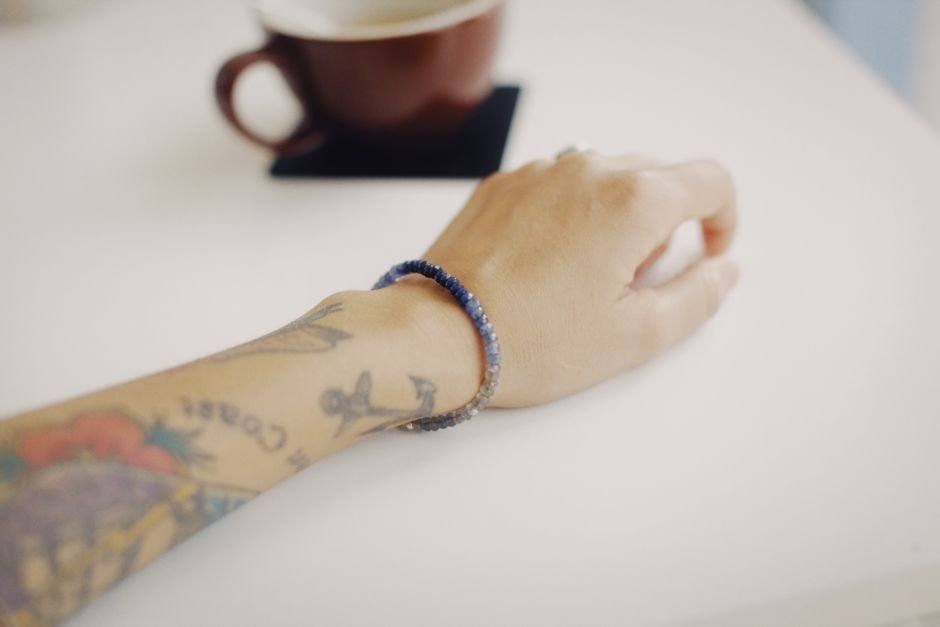
Before anything else, it’s worth ruling out the mundane explanations, because they account for the overwhelming majority of breaks.
- Worn-out elastic cord. Stretch cord isn’t built to last forever. Every time you pull it over your hand, the polymer fibers stretch and slowly lose their ability to spring back.
- Too tight a fit. A bracelet sized snugly to your wrist gets stretched further every time you put it on or take it off, accelerating fatigue.
- Snagging on clothing or gear. Sleeves, gym equipment, seatbelts, and bag straps can catch a bead or loop of cord and yank it hard enough to pop the knot or split the strand.
- Bead size or weight mismatch. Heavier stones like tiger’s eye or hematite put more strain on the same cord than lighter beads such as rose quartz, so a design with mismatched bead weights can wear unevenly.
- Humidity and temperature swings. Elastic cord absorbs some moisture and reacts to heat, so sweat, hot showers, or a hot car can make it more prone to sudden failure.
- UV exposure. Sunlight breaks down the chemical bonds in stretch cord over time, and this is a documented effect in outdoor gear and webbing, not just jewelry folklore.
- Low-quality stringing to begin with. Some bracelets are strung on thin, budget elastic that was never rated for daily wear, so they fail early regardless of how carefully you treat them.
The Science: Why Elastic Cord Actually Fails
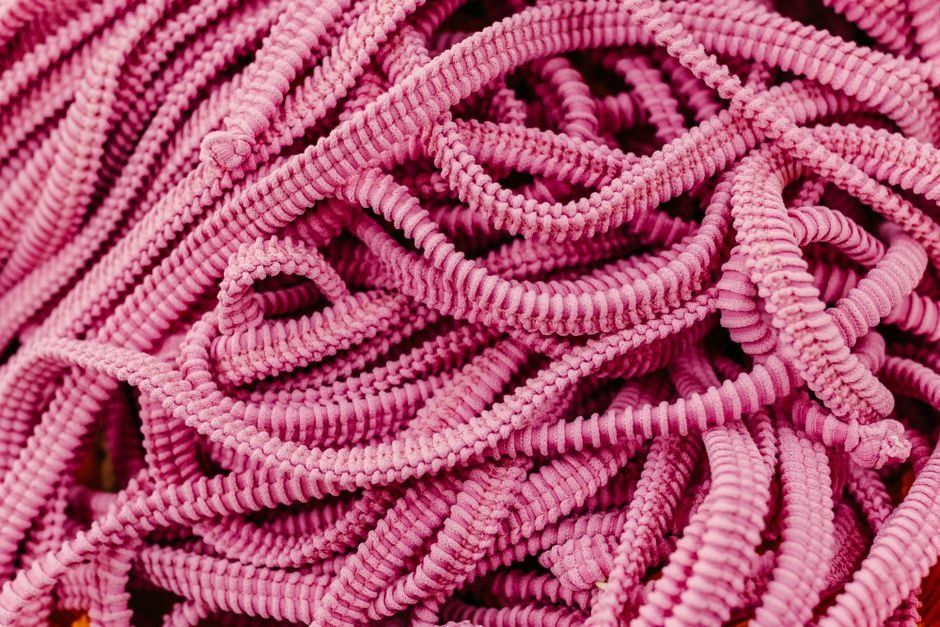
The stretchy cord in most crystal bracelets is a polymer, and polymers degrade through a well-understood process. Repeated stretching cycles gradually break down the cord’s internal fiber structure — a phenomenon called fatigue, the same mechanical process that eventually cracks a rubber band left in a drawer. Heat and moisture speed this up by making the polymer chains more mobile and prone to breaking apart. Sunlight adds a second attack: ultraviolet radiation severs polymer bonds directly, and consistent sun exposure steadily weakens fibers, with even a few months of direct sunlight able to cause noticeable strength loss in similar stretch materials. None of this requires any spiritual explanation — it’s the same reason an old rubber band or a bungee cord left outside eventually snaps. (If a bead itself cracked rather than the cord, that’s a different mechanism — see why did my crystal crack by itself.)
What It Means Spiritually When a Crystal Bracelet Breaks (Belief, Not Fact)
Separate from the physical cause, many people who wear crystals for intention-setting hold a spiritual interpretation of a break. It’s important to be clear that this is a traditional or personal belief, not an established or testable fact:
- Energy absorption: the idea that the crystal soaked up negative energy on your behalf until it reached a limit and broke.
- Completed purpose: the belief that the bracelet has “done its job” — for example, a rose quartz bought for emotional healing breaking once that healing feels complete.
- A nudge toward reflection: some wearers treat the moment as an invitation to check in with how they’re feeling, rather than as a sign with fixed meaning.
None of these interpretations can be verified, and different traditions (crystal healing, feng shui, various folk beliefs) don’t even agree with each other on what a break signifies. If this framing is meaningful to you, it’s a personal practice; if it isn’t, the physical explanation above is the complete picture.
Common Myths About a Broken Crystal Bracelet — Busted
Myth: A snap always means danger was avoided. There’s no way to verify this claim, and it isn’t part of any consistent tradition — it’s more of an internet-era addition than a documented belief. Treat it as folklore, not a warning system.
Myth: Only cheap bracelets snap. Cord thickness, bead weight, and wear frequency matter far more than price. A well-made $80 bracelet worn every day at the gym will wear out its cord faster than a $15 one worn occasionally.
Real Example: A Bracelet That Snapped After 8 Months
A common scenario: someone wears the same beaded bracelet every day, including at the gym, for eight months. Sweat repeatedly soaks the cord, the wrist flexes constantly during lifts, and the elastic is stretched wide every time it goes on and off. Eight months of that kind of daily mechanical and chemical stress is well within the normal failure window for stretch cord — this is wear and tear, not a bad sign, and re-stringing on a slightly thicker cord solves it going forward.
When It’s Just Wear and Tear (Not a Sign)
If any of the following apply, the practical explanation covers it completely and there’s no need to look for a deeper meaning: the bracelet is old, it was worn daily for months, it’s been exposed to water or lotion regularly, or the elastic already looked frayed or discolored before it broke. In these cases, a snap is simply the elastic reaching the end of its service life.
How to Stop Your Crystal Bracelet From Breaking Again
- Inspect the elastic every few weeks. Stretch it gently and look for thinning, discoloration, or fraying near the knot.
- Re-string on sturdier cord rated for the total weight of your beads, sized generously rather than snug.
- Avoid snagging activities. Remove the bracelet before workouts, sports, or anything involving machinery, tight sleeves, or heavy bags.
- Resize if it’s too tight. A bracelet that leaves marks on your wrist is being over-stretched every single time you wear it.
- Limit water and heat exposure. Take it off before showers, hot yoga, or long days in direct sun.
What to Do With the Beads After It Breaks
The stones themselves are almost always undamaged — it’s the cord that failed, not the crystals (you can absolutely still use them). From here you have two reasonable paths: re-string them on new, appropriately-sized elastic (a local jeweler or a bead kit can do this in minutes), or retire them respectfully if you’d rather start fresh, which might mean simply keeping the loose beads in a dish or giving them to someone else — our guide on what to do with a broken crystal lists all seven options. Neither choice is more “correct” than the other; it’s a matter of preference, not obligation.
How Long Should a Crystal Bracelet Actually Last?
This is the part most guides skip. As a rough benchmark: a single-strand elastic bracelet worn daily typically holds up for 6 to 18 months before the cord needs replacing, depending on bead weight and how often it’s exposed to water, lotion, or impact. Worn only occasionally and stored flat in a pouch, the same bracelet can often last several years without incident. If yours is snapping inside of a few weeks, that points to a manufacturing or sizing issue rather than normal aging — worth mentioning if you’re returning or exchanging it.
Choosing the Right Elastic When You Re-String
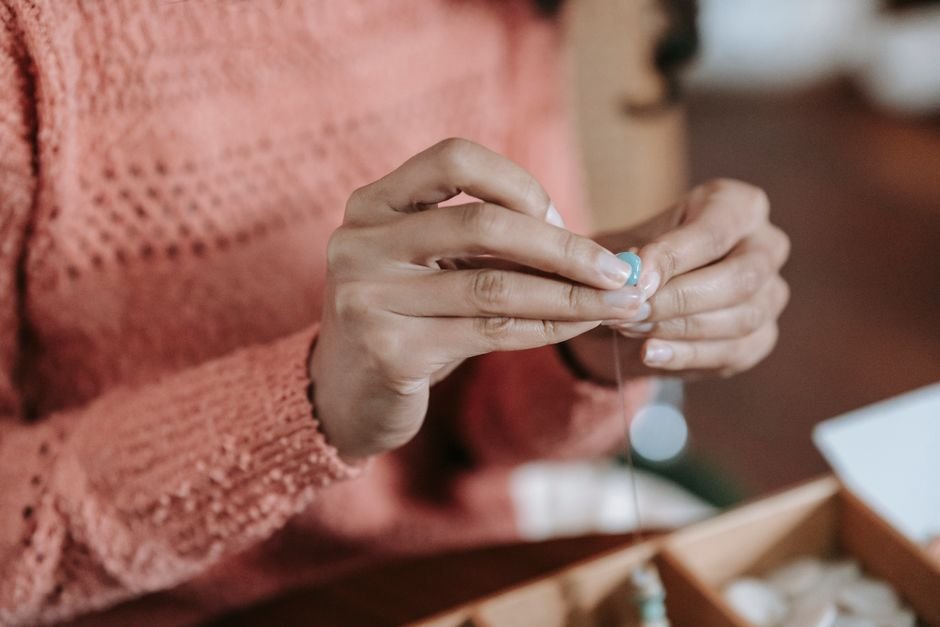
Not all stretch cord is equal, and picking the wrong thickness is one of the most common reasons a freshly re-strung bracelet breaks again within weeks. As a general guide, thin 0.6–0.7mm cord suits light beads like small rose quartz or amethyst chips, while heavier stones such as tiger’s eye, hematite, or larger tumbled beads need 0.8mm or thicker cord to handle the added weight over thousands of flex cycles. Doubling the cord and tying a secure double or surgeon’s knot, then sealing it with a small dot of clear jewelry glue, meaningfully extends the lifespan of a hand-strung bracelet compared to a single strand and a simple knot.
Questions About Snapped Crystal Bracelets
Is it bad luck when a bracelet breaks?
No — there’s no evidence a broken bracelet causes bad luck. Physically, it almost always means the elastic cord wore out, was overstretched, or snagged on something. Some spiritual traditions frame it as the crystal having ‘absorbed’ negative energy on your behalf, which people tend to interpret as a positive, protective event rather than a bad omen.
Should I re-wear the same beads?
Yes, if the beads themselves aren’t cracked or chipped. The stones aren’t damaged just because the cord snapped. Cleanse them if you like, then have them restrung on a fresh, higher-quality elastic cord sized to fit your wrist without stretching.
Does only a cheap bracelet snap?
No. Price doesn’t determine lifespan — elastic cord thickness, bead weight, and how often you wear the bracelet matter far more. A premium bracelet with thin elastic worn daily can snap faster than a budget one worn occasionally.
How long should a crystal bracelet last before it breaks?
With daily wear, most single-strand elastic bracelets last roughly 6 to 18 months before the cord needs replacing. Bracelets worn only occasionally, or stored properly and kept away from water and lotions, can last several years on the same cord.
Why Bracelets Snap, in Short
Most of the time, the answer to why did my crystal bracelet snap comes down to ordinary material fatigue: an aging elastic cord, a too-tight fit, sun and moisture exposure, or a snag that caught it at the wrong moment. If a spiritual reading of the moment feels meaningful to you, there’s nothing wrong with holding both explanations at once — just don’t let the belief stand in for basic care. Re-string the beads, size the new cord a little looser, and it should serve you well for another long stretch.