Last Updated on August 19, 2026 by Umar Farooq
Short answer: only if you want to. Burying a broken crystal is one traditional way to “return” it to the earth once it feels like its purpose is finished — but it’s optional, not a rule. The one real requirement is checking whether the specific mineral is soil-safe first, since a few common crystals (selenite included) can break down in wet soil over time. If you’d rather keep, repurpose, or display the piece instead, that’s just as valid an ending.
This guide walks through why people choose burial, what’s actually happening to a mineral once it’s underground, the spiritual view versus the myths around it, and exactly how to do it (or skip it) with confidence.
Why People Consider Burying a Broken Crystal
The idea of burial usually comes from one of three places:
- A belief in respectful disposal. Many crystal practitioners feel it’s disrespectful to throw a natural mineral in the trash, and burial feels like a more dignified alternative.
- Symbolic closure. Burying a piece can mark the end of a chapter — especially if the crystal was tied to a specific period, relationship, or healing process.
- A sense the stone has “finished its purpose.” If a crystal broke while doing protective or intensive energy work, some see burial as letting it rest rather than continuing to use a “spent” stone. (Before assigning meaning, it’s worth checking the physical causes in why did my crystal crack by itself.)
None of these reasons require burial — they’re simply the emotional logic behind why the option exists in the first place.
What Actually Happens When You Bury a Crystal (The Science)
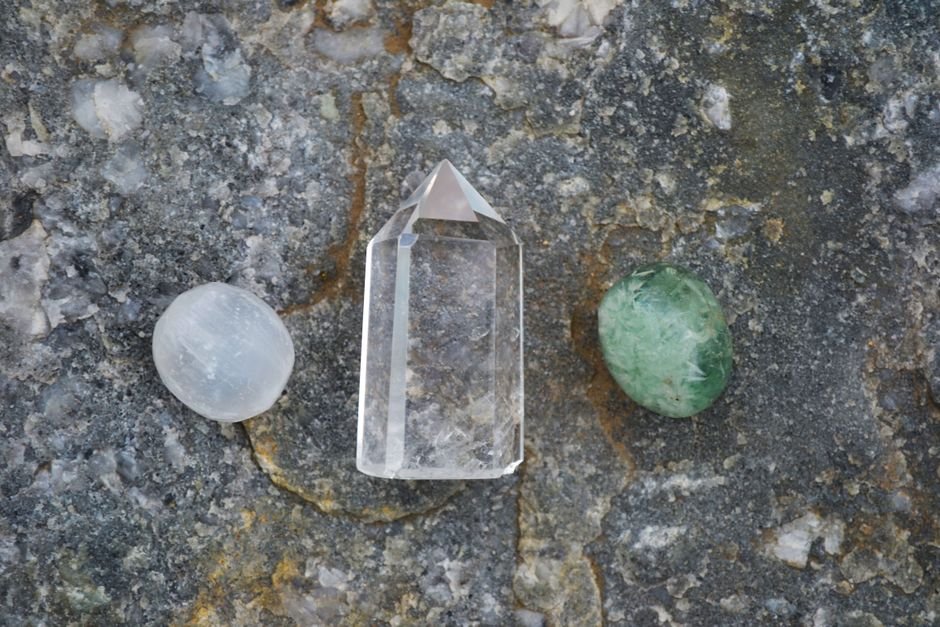
Physically, burying a mineral does very little to most crystals. Quartz, amethyst, citrine, and the majority of common crystals are chemically inert and will sit in soil indefinitely without breaking down, the same way any rock in the ground does.
The exception is gypsum-family minerals, including selenite and satin spar. Gypsum is a water-soluble calcium sulfate, meaning prolonged contact with moist soil can slowly dissolve or degrade it over time, the same reaction that damages selenite when it’s rinsed under a tap. If you’re planning to bury a broken selenite piece, know that damp garden soil will likely erode it faster than a hard, insoluble mineral like quartz or tourmaline would degrade.
Beyond that one caveat, there’s no scientific basis for burial “cleansing” or “returning energy” — that’s a belief framework, not a measurable process. As with most crystal practices more broadly, current research on healing crystals points to ritual and belief, not a documented physical effect on the stone, as the source of any benefit.
What the Spiritual View Says About Burial
Within crystal healing traditions, burial is generally read as returning the crystal’s energy to the earth — a way of honoring where the mineral originally came from and letting it “recycle” back into the ground rather than sitting unused in a drawer. Some practitioners treat this as appropriate specifically for stones used in protective work, on the idea that the crystal absorbed something you don’t want to keep in your home. Others use burial more generally, for any crystal that no longer feels aligned with them.
This is presented here as a belief, not an established fact — different traditions and individual practitioners interpret it differently, and there’s no single “correct” version.
Myths About Burying Broken Crystals
Two claims come up often enough to address directly:
- Myth: burial is mandatory for every broken crystal. It isn’t. Plenty of practitioners keep broken pieces, repurpose them into jewelry or grids, or simply display them as-is.
- Myth: burial “purifies” a crystal instantly. There’s no tradition or evidence suggesting burial works faster than other methods (moonlight, sound, smoke). If cleansing is your goal rather than symbolic closure, a quicker method may suit you better than digging a hole and waiting.
How to Bury a Broken Crystal (Step-by-Step)
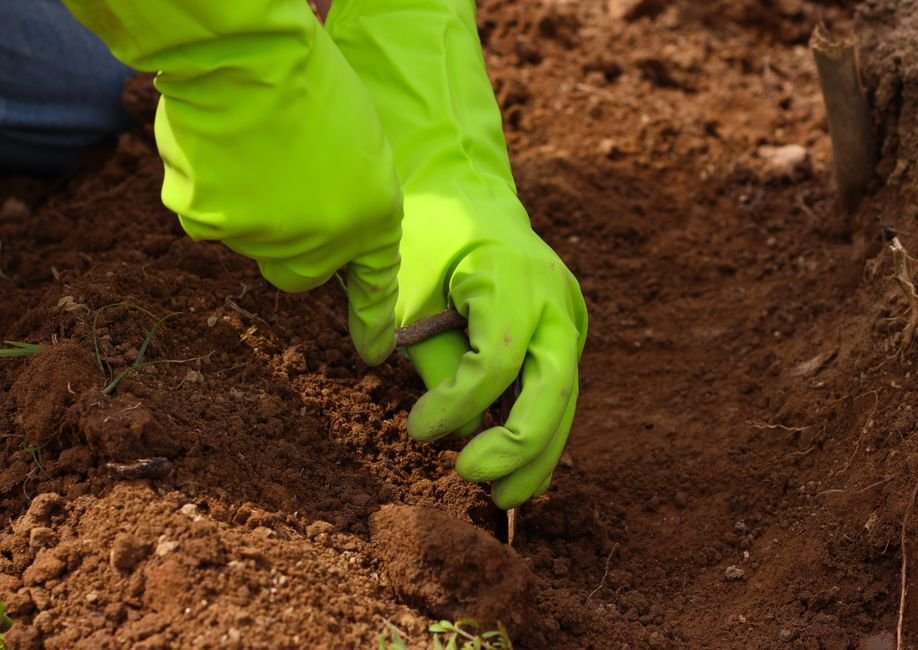
If you’ve decided burial is right for your stone, the process is simple:
- Confirm the stone is soil-safe. Hard, insoluble minerals (quartz, amethyst, citrine, tourmaline, jasper, obsidian) are fine underground indefinitely. Skip burial for soft, water-soluble stones like selenite or satin spar unless you’re comfortable with it degrading faster than usual.
- Choose a meaningful spot. A garden bed, under a favorite tree, or a quiet corner of a yard all work — there’s no required depth or location beyond what feels intentional to you.
- Do a brief closing ritual, if you want one. A short thank-you, a moment of reflection, or simply setting an intention as you cover the piece are common — but none of this is required for the burial to “count.”
When Burial Doesn’t Make Sense
Skip burial, or choose a different option, if:
- The piece has sentimental or decorative value you’d rather keep — a gift, an heirloom, or a stone you’re simply not ready to part with.
- It’s a soft, water-soluble mineral you want to preserve intact, since burial in damp soil will likely accelerate its breakdown rather than gently “returning” it unchanged.
- You’d get more value repurposing it — broken pieces are commonly turned into jewelry, crystal grids, or plant-pot décor instead of being buried. Our guide on what to do with a broken crystal walks through all seven options side by side.
Can You Bury a Broken Crystal If You Don’t Have a Garden?
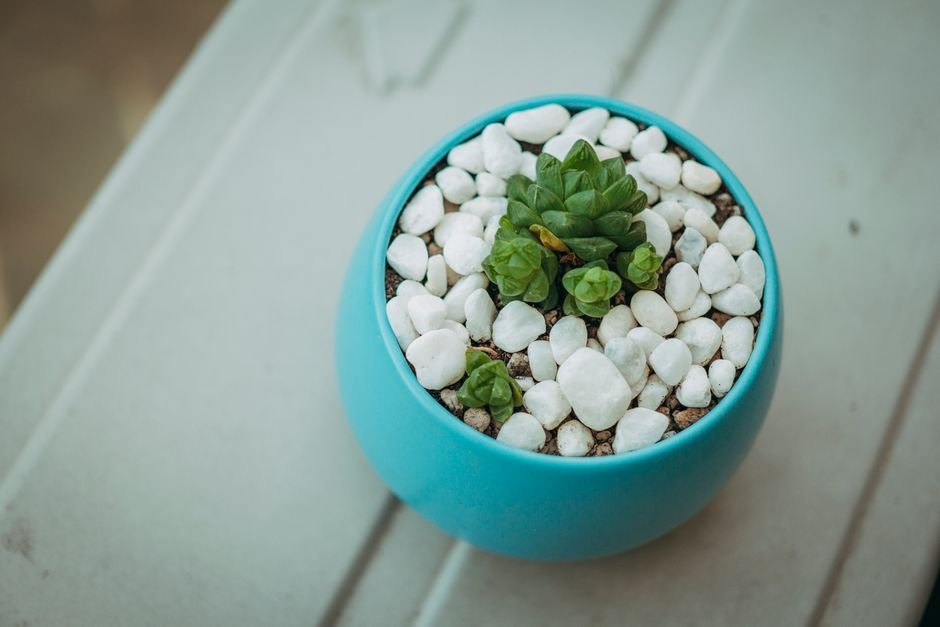
Yes — a few practical alternatives work just as well:
- Bury it in a potted plant. This is the most common substitute for a garden bed and works for the same hard, insoluble minerals mentioned above.
- Use a small outdoor container of soil on a balcony or patio if that’s all the outdoor space you have.
- Skip soil entirely and place the piece somewhere symbolic instead — a windowsill, a small dish outside, or with other stones you’ve retired.
Burying a Chipped Black Tourmaline
A chipped piece of black tourmaline, cracked after months of use during a stressful period, is buried beneath a favorite outdoor rosemary plant. The owner says a brief thank-you as they cover it, treating the moment as a symbolic close to that chapter rather than a “requirement.” Because tourmaline is hard and chemically stable, the piece will remain physically unchanged in the soil for as long as it stays there — the ritual, not the mineral, is what changed.
Deciding If Burial Suits Your Stone
- Bury it if the stone is a stable, insoluble mineral and burial feels meaningful to you.
- Repurpose it instead — jewelry, plant décor, or a crystal grid — if you’d rather keep the physical piece nearby (yes, a broken crystal is still perfectly usable).
- Store it in a drawer or box if you’re not ready to decide either way; there’s no time limit on making this choice.
Questions About Burying Broken Crystals
What if I don’t have a garden to bury a crystal in?
Use a potted plant, a patio container of soil, or skip soil altogether and place the piece somewhere meaningful instead — all are common, valid alternatives to a garden bed.
Can I bury a broken crystal in a pot?
Yes, for hard, insoluble stones like quartz, amethyst, or tourmaline. Avoid burying soft, water-soluble minerals like selenite in a regularly watered pot, since consistent moisture will degrade the stone faster than a quartz or tourmaline piece would be affected.
Is it bad to just throw a broken crystal away instead?
There’s no rule against it, though many practitioners prefer burial, repurposing, or storage out of respect for the natural material. If sharp shards are involved, wrap them safely before disposal regardless of which option you choose.
Do I need to cleanse a crystal before burying it?
It’s optional. Some people cleanse once as a symbolic “closing” step before burial; others skip straight to the ritual. Neither approach is more correct than the other.
Will burying a crystal near other plants harm them?
No — inert minerals like quartz and tourmaline don’t affect soil chemistry or plant health. The only mineral to be cautious with is water-soluble gypsum (selenite), which can slowly release calcium sulfate into surrounding soil as it dissolves, though this is not documented as harmful to plants.