Last Updated on August 19, 2026 by Umar Farooq
Short answer: not fully, no. Physically, no glue or repair technique restores a broken crystal’s original structural integrity or exact original shape — once a mineral fractures, that fracture is permanent at a molecular level. What repair actually means in practice is one of two things: gluing pieces back together for display (which holds the shape but leaves a visible or felt seam), or having a lapidary professionally re-cut and re-polish the stone into a smaller, undamaged shape. Neither one “heals” the crystal back to how it was before it broke.
That distinction matters more than it sounds, because most of the disappointment around a broken crystal comes from expecting a repair to undo the break rather than simply manage it. Below is a full breakdown of why people look for repair options, what’s actually achievable, what spiritual practices offer instead, and how to decide what’s worth doing with your specific piece.
Why People Look Into Repairing a Broken Crystal
Three reasons come up again and again:
- Sentimental attachment. A gift, an heirloom, or a stone tied to a specific memory is hard to simply replace, even when it’s no longer physically whole.
- Cost concerns. Rare or high-value specimens (fine labradorite, tourmaline, or gem-grade quartz) can be expensive to replace outright, making repair or salvage feel like the more practical option.
- Hope for full restoration. It’s natural to want the crack to disappear entirely — but this is the expectation that most often leads to disappointment, since no method fully erases a fracture.
What Science Says: Can a Fracture Actually Be Repaired?
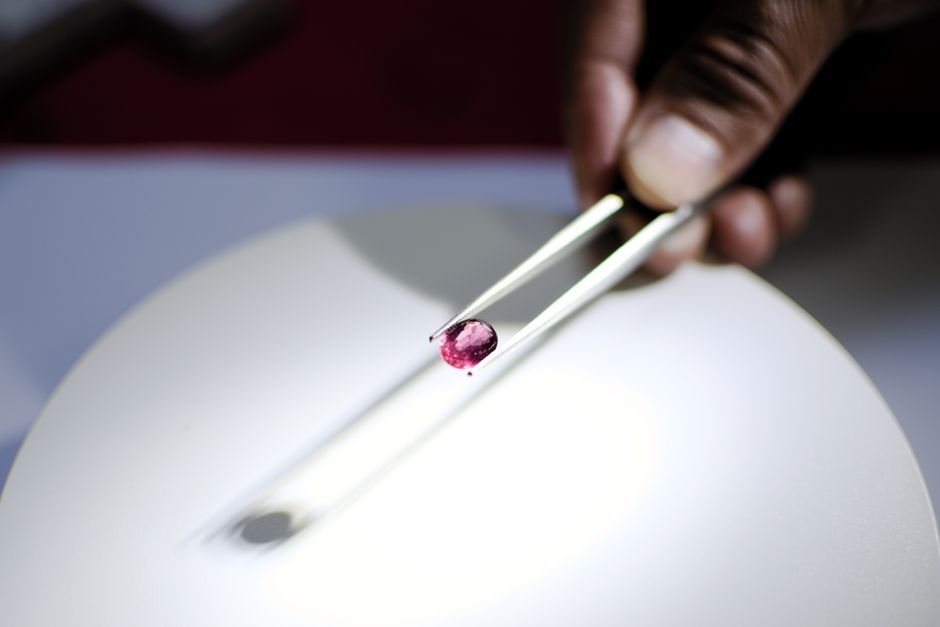
Mineralogically, no. A fracture is a break in the crystal’s internal atomic bonding, and there’s no process that re-forms those bonds the way the mineral originally grew them over thousands or millions of years. What repair options actually do is work around the fracture rather than reverse it:
- Adhesive repair (gluing) re-joins broken pieces so the stone holds its shape again, but the glue line remains a permanent seam — visible under close inspection or magnification, and often felt under fingertips even when optically fairly invisible. In discussions among mineral collectors, a “gap-filling” cyanoacrylate or a reversible adhesive like Duco is frequently recommended for display-quality specimens over epoxy, since epoxy can be harder to remove cleanly later if the repair needs redoing.
- Lapidary re-cutting and re-polishing removes the damaged area entirely rather than filling it, cutting the stone down into a smaller but structurally sound shape. According to the International Gem Society’s guide to re-cutting and repairing gemstones, this approach can meaningfully restore a stone’s brilliance and market value, though it always reduces the original size and weight.
Neither method reconstructs the crystal’s original form — they manage the damage, they don’t reverse it.
What Spiritual Practices Offer Instead of Physical Repair
Within crystal healing communities, “repair” is sometimes reframed entirely. Rather than fixing the stone’s structure, some practitioners perform a symbolic healing ritual — cleansing the piece and reformulating an intention for how they’ll work with it going forward. This is treated as an energetic reset, not a physical fix, and it’s presented here as belief rather than fact: there’s no way to measure or verify a symbolic “healing” the way you can verify whether a re-cut gemstone holds together physically.
Some practitioners also hold that gluing a stone back together changes its properties, since the adhesive is now a physical part of the specimen. Others see this as irrelevant to a crystal’s meaning. Both views are common and neither is an established rule.
Myths About Repairing Broken Crystals
Two claims are worth correcting directly:
- Myth: glue restores full value or power. For a mineral specimen, professional collectors are clear that a visibly glued repair typically reduces resale value compared to an unbroken specimen, since collectors can usually tell. Any claim about restored “spiritual power” is a belief, not a testable fact.
- Myth: any crack can be polished away. Surface-level chips can sometimes be polished down, but deep internal fractures usually can’t be removed without cutting away a significant amount of material — sometimes more than a stone can afford to lose and still hold a usable size or shape.
Should You Repair It or Repurpose It? (Troubleshooting Steps)
Use this quick decision process:
- Check whether the piece has real monetary value. A rare, large, or gem-grade specimen may be worth a lapidary consultation. A common tumbled stone or inexpensive point usually isn’t.
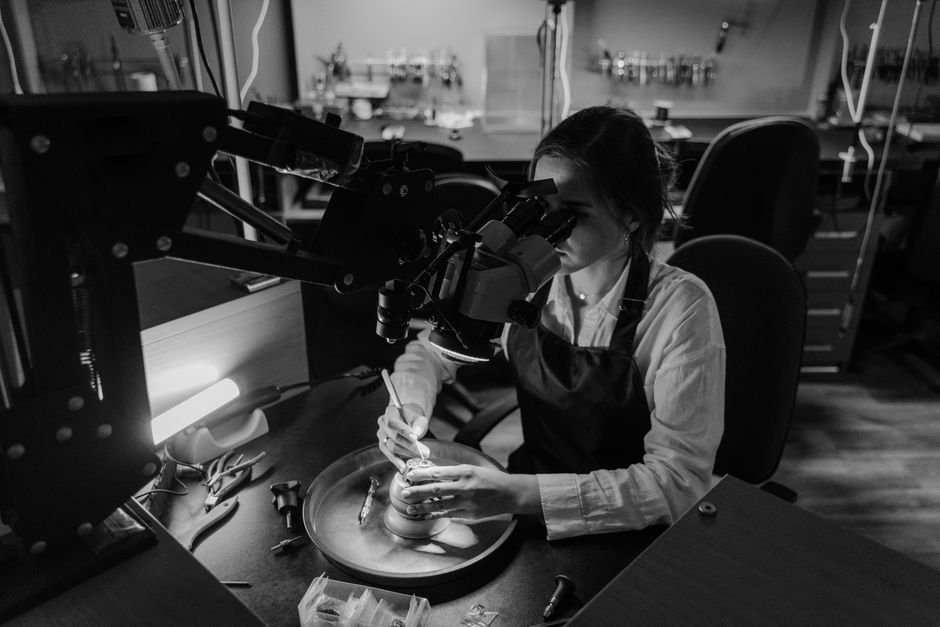
- If it has value, get a professional opinion first. A lapidary or gemologist can tell you whether re-cutting is realistic before you spend money on a repair that might not hold up.
- If it doesn’t have resale value, accept the break and repurpose it. Broken pieces work well in crystal grids, jewelry settings, or plant décor — often a more satisfying outcome than a visibly glued repair. It’s also worth asking whether you should replace the stone at all before spending anything. (You can still use a broken crystal exactly as before once it passes a safety check.)
When Repair Isn’t Worth It
Skip repair and go straight to repurposing if:
- The piece has no meaningful monetary value — repair costs (glue, tools, or a lapidary’s time) can easily exceed what a common crystal is worth.
- The stone has shattered into many small pieces, since gluing works best on two or three larger sections with clean edges, not a scattering of fragments.
- You mainly want the sentimental connection, which a repurposed piece — a pendant, a grid stone, or a display fragment — can preserve just as well as a repaired one. Our guide on what to do with a broken crystal covers all seven repurposing options.
A Cracked Labradorite Sent to a Lapidary
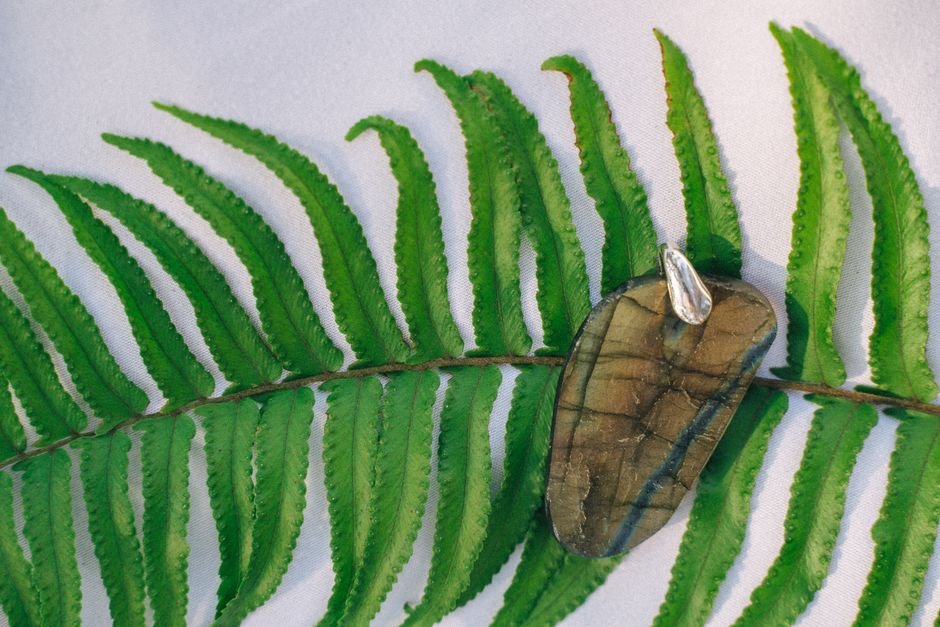
A cracked labradorite pendant, damaged after being dropped on a tile floor, is brought to a lapidary rather than glued at home. Instead of trying to rejoin the crack, the lapidary cuts away the damaged section entirely and re-polishes the remaining material into a smaller, undamaged cabochon. The result is a slightly smaller stone with no visible crack or seam — a more durable outcome than a glued repair, though the original size and shape are gone for good.
Choosing Repair, Repurpose, or Letting Go
- Consult a lapidary if the stone has real monetary or gem-quality value and you want a professional opinion before deciding.
- Glue it yourself only for low-value, sentimental pieces where a visible seam is an acceptable trade-off for keeping the original shape.
- Repurpose or retire the piece if it has no real resale value — broken crystals often find a second life in jewelry, grids, or décor rather than as a “repaired” original.
Questions About Repairing Broken Crystals
Can a jeweler fix a broken crystal?
Not in the sense of erasing the crack, but a jeweler or lapidary can often re-cut and re-polish a damaged gemstone into a smaller, structurally sound shape, or set a glued specimen securely in jewelry. For fine or valuable stones, this is usually a better route than a DIY glue repair.
Is gluing crystals okay?
It’s fine for display purposes on low-to-moderate value specimens, especially with a reversible adhesive rather than a permanent epoxy. It’s not a good option if you’re hoping to preserve or increase resale value, since a visible repair line typically lowers what a mineral specimen is worth to collectors.
Does gluing a crystal change its spiritual meaning?
This depends entirely on which belief framework you follow — some practitioners feel the adhesive alters the stone’s properties, others don’t consider it relevant at all. There’s no shared rule, and no scientific measure either way.
Is it worth repairing an inexpensive tumbled stone?
Usually not. The time and materials involved in a clean repair often cost more than the stone itself, and repurposing broken pieces (jewelry, grids, plant décor) is generally a more satisfying outcome.
Will a repaired crystal work the same as before?
Practically, yes, if you’re using it for meditation, décor, or intention-setting — repurposed and repaired stones are used the same way as intact ones by most practitioners. Structurally, no repair fully restores the original, unbroken form. (If the damage is only a hairline crack, it likely needs no repair at all — see does a cracked crystal still work.)