
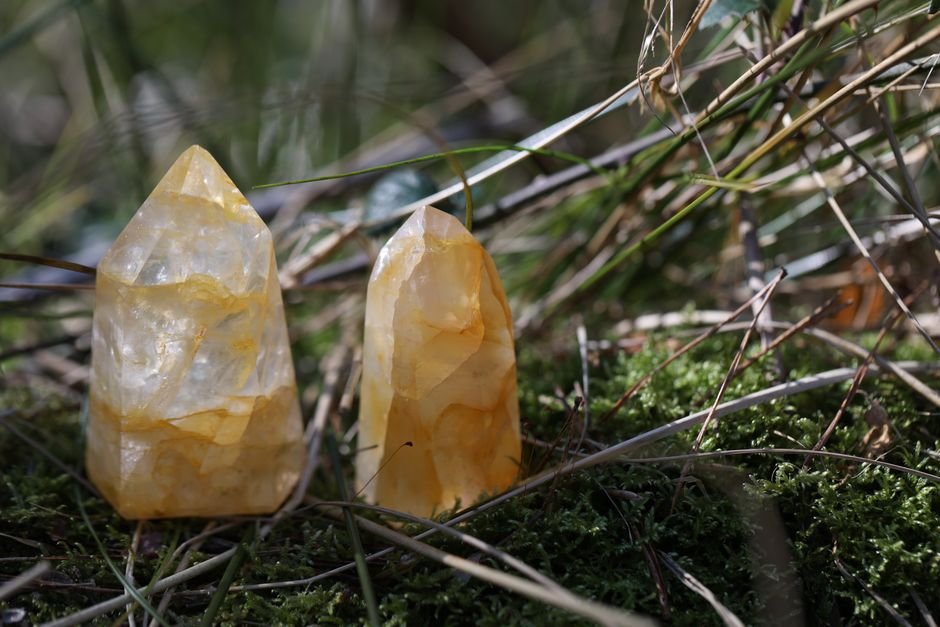
Short answer: yes, for most buyers. Heat-treated citrine — nearly always amethyst or smoky quartz heated to convert its color to yellow or orange — is genuine quartz, widely and openly sold, and far more affordable than rare natural citrine. Unless authenticity of origin specifically matters to you (for a collection, a specific ritual practice, or simple personal preference), heat-treated citrine gives you the same durable, real gemstone at a fraction of natural citrine’s price.
Below is a full breakdown of why this question comes up so often, the science behind how heat treatment actually works, what’s genuinely a spiritual preference versus verifiable fact, and exactly how to buy with confidence either way.
Why This Question Comes Up So Often
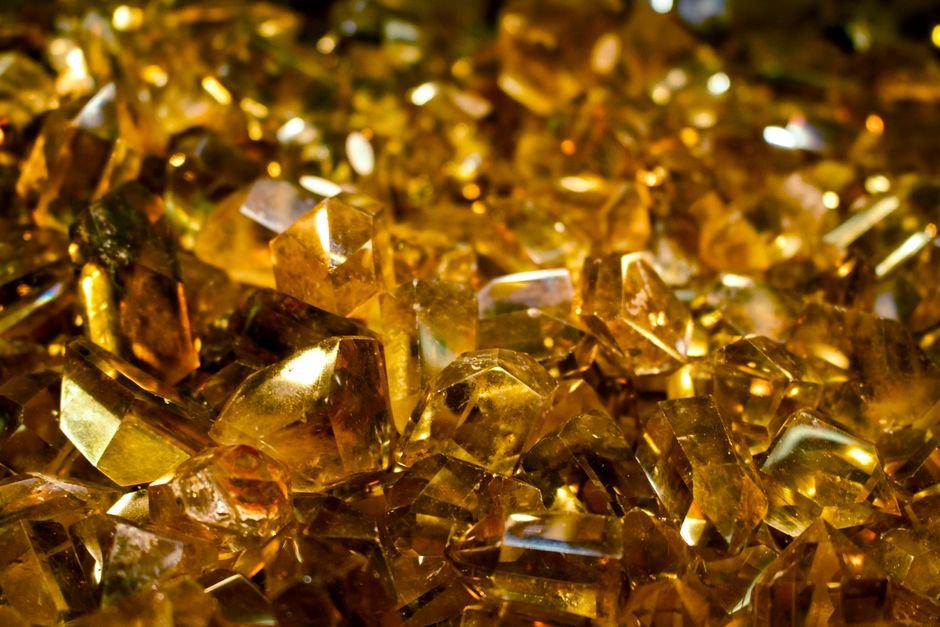
The confusion here has one main source: most citrine on the market is heat-treated, not natural. According to gemological sources, well over 90% of commercially sold “citrine” started life as amethyst or smoky quartz. Because so few buyers know this going in, discovering that their citrine is heat-treated can feel like being misled — even when the seller disclosed it accurately from the start. That gap between assumption and reality is what drives most of the “is this even real” anxiety around citrine.
The Science: How Heat Treatment Actually Works
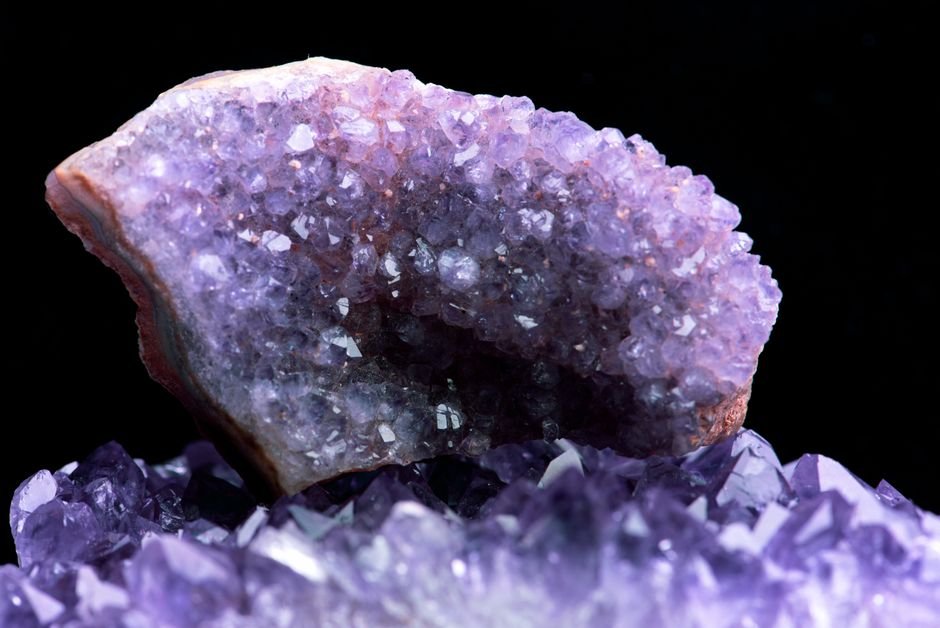
This is worth understanding properly, since it directly answers whether heat-treated citrine is “real.” Amethyst’s purple color and citrine’s yellow-orange color both come from iron impurities in the same underlying quartz structure, just in different oxidation states. Heating amethyst converts its iron-based color centers, changing the stone’s color from purple to citrine’s characteristic yellow to orange range, according to GIA — the Gemological Institute of America. (Amethyst’s own authenticity tells are covered in how to spot fake amethyst.) This is a controlled, well-understood, and long-established gemstone treatment, not a trick: the stone remains genuine quartz throughout, chemically identical in every way except the oxidation state of its iron impurities.
Heat treatment of gemstones generally is a standard, disclosed practice across the industry — the same process used to improve color in many sapphires, rubies, and other stones — and GIA’s own overview of gem treatments confirms that heating amethyst and smoky quartz into citrine is one of the most common and accepted treatments in the gem trade. Heat-treated citrine isn’t a lesser imitation; it’s a category of legitimate, disclosed gemstone enhancement that happens to make a rare color widely affordable.
What the Spiritual View Says About Treated vs. Natural Citrine
Within crystal healing communities, some practitioners prefer natural, untreated citrine, believing that heat alters the stone’s “energy” — that a color change induced by human intervention carries a different, sometimes less potent, vibration than the same color formed slowly by the Earth’s natural geothermal heat over millions of years. This is a genuinely held belief among many crystal users, but it isn’t a testable claim: there’s no instrument that measures a difference in “energy” between two chemically identical pieces of quartz that reached the same color through different heating sources. If this distinction matters to your practice, it’s a legitimate reason to seek out natural citrine specifically — just hold it as a personal or traditional preference rather than an established difference.
Myths About Heat-Treated Citrine
Two assumptions cause real confusion and are worth correcting directly:
- Myth: heat-treated citrine is “fake.” It isn’t. It’s genuinely quartz, colored through a real, disclosed physical process — the same iron-based color mechanism at work, just triggered by controlled heating rather than geological time. The honest distinction is natural versus treated, not real versus fake. Reserve “fake” for glass or dyed imitations, which share none of citrine’s actual mineral identity — how to tell if a crystal is real covers spotting those.
- Myth: natural citrine is always superior. Natural citrine is rarer and more expensive, but “superior” depends entirely on what you’re optimizing for. If a specific untreated origin matters to you, natural is the better fit; if you want an attractive, durable, genuinely real quartz stone at an accessible price, heat-treated citrine serves that purpose just as well.
How to Buy Citrine Confidently (Troubleshooting Steps)
- Ask sellers to disclose treatment status directly. A reputable seller should tell you plainly whether a piece is natural or heat-treated — hesitation or vagueness on this question is a bigger red flag than the treatment itself.
- Compare price to what’s typical for each type. Natural citrine commonly costs several times more than heat-treated citrine of similar size and quality; a suspiciously low price for a claimed “natural” piece is worth questioning.
- Decide based on your budget and preference, not obligation. There’s no requirement to seek out natural citrine unless it specifically matters to you.
When This Doesn’t Apply
Skip heat-treated citrine and seek out certified natural citrine specifically if you want an untreated stone for a collection, a ritual practice that calls for natural-only materials, or simple personal preference around origin. Heat-treated citrine is an excellent, budget-friendly, and genuinely real option for most buyers — but if authenticity of natural origin is the specific thing you care about, that’s a legitimate reason to pay more for verified natural material instead.
How Do I Know If My Citrine Is Heat-Treated?
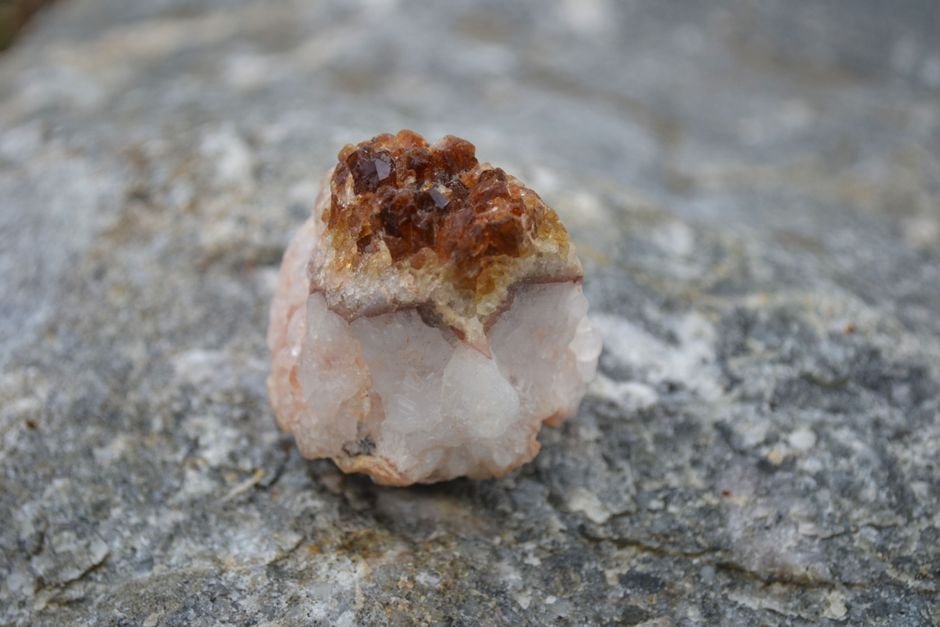
A few visual cues help without needing lab equipment:
- Color zoning and a white base. Heat-treated citrine often shows a stark, abrupt boundary between a white or clear base and orange-to-yellow tips — a telltale sign of amethyst that’s only had its purple portion converted by heat.
- Geode form. Natural citrine essentially never forms in large geode clusters. If you’re looking at a “citrine geode” or “citrine cathedral,” it’s heat-treated amethyst.
- Color intensity and uniformity. Natural citrine tends toward a paler, more uniform pale-yellow to smoky champagne color throughout; heat-treated citrine is often a bolder, more uneven orange or reddish-brown, especially near the tips.
- Professional testing for certainty. For anything of real value, spectroscopic analysis by a gemological lab is the only way to confirm origin definitively.
Does Treatment Reduce Citrine’s Value?
Yes, generally, compared to natural citrine of equivalent visual quality — but “reduce” is relative to natural citrine’s higher baseline price, not a statement that treated citrine has little value. Heat-treated citrine holds a stable, appropriate value for what it is: genuine, attractively colored quartz, priced accordingly lower than the far rarer natural material. It doesn’t lose value over time simply for being treated, and a properly disclosed heat-treated piece is not being sold dishonestly at its typical market price.
Real-World Example
A budget-friendly citrine cluster is listed with a clear, honest description: “heat-treated amethyst.” The piece shows the classic tell — a bright white base transitioning sharply into deep orange tips — confirming the disclosure is accurate. The buyer, wanting an attractive, affordable stone for everyday use rather than a natural-origin collector’s piece, buys it confidently, knowing exactly what they’re getting for the price.
What To Do Next
- Buy heat-treated citrine confidently for everyday use, décor, or general crystal work — it’s genuinely real quartz at an accessible price.
- Ask directly about treatment status before any purchase, and treat a seller’s hesitation as more concerning than the treatment itself.
- Seek certified natural citrine only if untreated origin specifically matters to you, and expect to pay significantly more for it.
FAQ
How do I know if citrine is heat-treated?
Look for a stark white or clear base transitioning sharply into orange or yellow tips (a sign of treated amethyst), a large geode form (natural citrine doesn’t grow this way), or an unusually bold, uneven color. For certainty on valuable pieces, professional gemological testing is the definitive method.
Does treatment reduce citrine’s value?
Yes, relative to natural citrine of similar visual quality, since natural citrine’s rarity commands a premium. This doesn’t mean heat-treated citrine lacks value — it’s priced appropriately as genuine, widely available quartz rather than as rare natural material.
Is heat-treated citrine considered fake?
No. It’s genuinely quartz, colored through a real, disclosed heating process rather than dye or synthetic manufacturing. The accurate distinction is natural versus treated, not real versus fake.
Can heat-treated citrine still be used for crystal healing or intention work?
Yes, according to most practitioners — heat-treated citrine is still considered citrine for energy work purposes by the majority of the crystal healing community, even though some practitioners specifically prefer natural stones for personal or traditional reasons. (If doubts about a stone’s origin are affecting your practice, see why isn’t my crystal working.)
Is it worth paying more for natural citrine?
Only if untreated origin specifically matters to you — for a serious mineral collection, a practice that calls for natural-only stones, or personal preference. For general use, décor, or everyday crystal work, heat-treated citrine offers the same visual appeal and genuine quartz composition at a significantly lower cost.
Leave a Reply