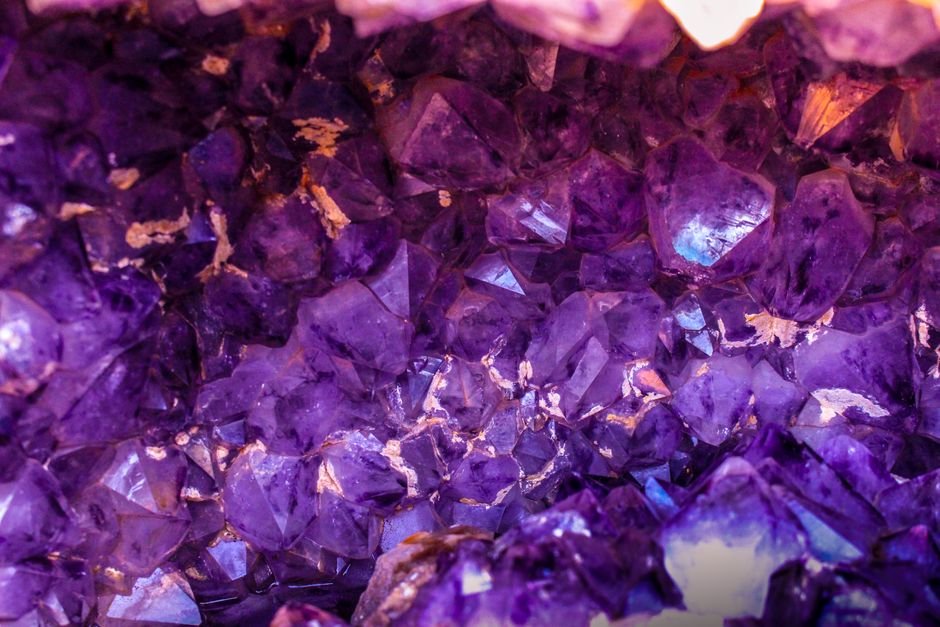
Short answer: look for even, “too-perfect” purple color, unnatural bubbles, and a price that’s unusually low for the size of the piece. Genuine amethyst almost always shows color zoning — bands or patches where the purple deepens, lightens, or fades to clear or white — because of how it forms underground. A stone that’s one flat, uniform shade of purple throughout, especially a bright “grape candy” color, is a strong sign of dyed quartz or glass. Combine that with a look for air bubbles and a basic sense of what that size and quality of amethyst should cost, and you’ll catch the large majority of fakes.
Below is a full breakdown of why fake amethyst is so common, the actual science behind color zoning, what’s genuinely a spiritual belief versus a testable fact, and how lab-grown amethyst fits into all of this (it’s not what most people assume).
Why Fake Amethyst Is So Common
Three factors explain most of the confusion in this specific market:
- Synthetic amethyst grown in labs. This is chemically real quartz with the same composition as natural amethyst — it’s just grown in weeks rather than formed over millions of years underground.
- Dyed quartz. Clear or pale quartz is sometimes injected with purple dye, often through existing cracks, to mimic amethyst’s color at a much lower cost.
- Glass imitations. Cheap colored glass, sometimes cast to look like clusters or geodes, is widely sold — and because amethyst is one of the most popular and recognizable crystals, it’s also one of the most frequently faked (rivaled only by moldavite — see how to identify fake moldavite).
The Science: Why Real Amethyst Has Color Zoning
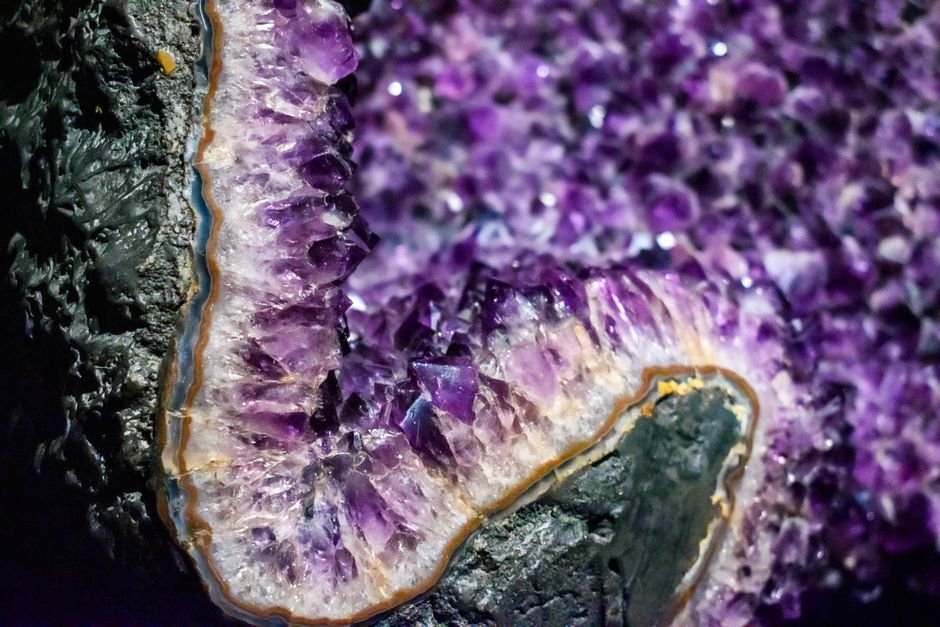
This is the single most reliable visual test, and it’s worth understanding why it works rather than just memorizing it. Amethyst is quartz colored purple by trace iron impurities combined with natural background radiation underground, a process that occurs unevenly as the crystal grows — amethyst owes its violet color to irradiation and iron impurities that create complex crystal lattice substitutions, rather than a dye or coating sitting on the surface. Because that irradiation and iron distribution happens gradually and inconsistently during formation, the resulting purple color is naturally uneven: deeper in some areas, paler or entirely clear in others, often in angular bands that follow the crystal’s hexagonal growth structure.
Dyed quartz and glass imitations don’t go through this slow geological process, so they can’t replicate that internal unevenness. Dye typically concentrates in existing surface cracks rather than internal growth zones, and cast glass is manufactured to be visually uniform throughout — both are physically incapable of producing genuine color zoning.
Lab-Grown vs. Dyed vs. Glass: These Are Not the Same “Fake”
This distinction gets flattened constantly, and it matters: not everything that isn’t natural amethyst is actually fake in the same sense.
- Lab-grown (synthetic) amethyst is chemically identical quartz, colored by the same iron-based mechanism, just grown under controlled lab conditions instead of underground over geological time. It’s real amethyst — not natural, but not an imitation either.
- Dyed quartz is a different, often lower-quality quartz artificially colored to resemble amethyst. It isn’t amethyst at all in any meaningful sense.
- Glass shares nothing with quartz chemically or structurally — it’s a manufactured imitation with no claim to being a crystal in the first place.
A reputable seller should be able to tell you which of these three categories a piece falls into, and the honest answer for a lab-grown stone is “yes, it’s real, but not natural” rather than a flat yes or no. As the International Gem Society notes in its guide to identifying synthetic gems, very fine clarity with no visible natural inclusions is often the first clue a gemologist looks for when separating a lab-grown stone from a mined one, since few natural specimens are genuinely flawless.
What the Spiritual View Says About Natural vs. Lab-Grown Energy
Within crystal healing communities, it’s commonly believed that natural amethyst carries “earth energy” — accumulated from its slow formation underground — that a lab-grown stone, despite being chemically identical, doesn’t possess in the same way. This is a widely held belief, not a testable claim: there’s no instrument that distinguishes a “natural” energy signature from a “lab-grown” one, since both stones are chemically the same quartz colored by the same mechanism. If this distinction matters to your practice, that’s a legitimate personal preference — just treat it as belief rather than an established difference you could verify.
Myths About Fake Amethyst
One myth is worth correcting directly, since it causes real confusion:
- Myth: lab-grown amethyst is automatically “fake.” It isn’t. Lab-grown amethyst is chemically real amethyst — the same iron-colored quartz, just grown rather than mined. The honest distinction is natural versus synthetic, not real versus fake. Reserve “fake” for dyed quartz or glass, which share none of amethyst’s actual chemistry.
How to Verify Amethyst (Troubleshooting Steps)
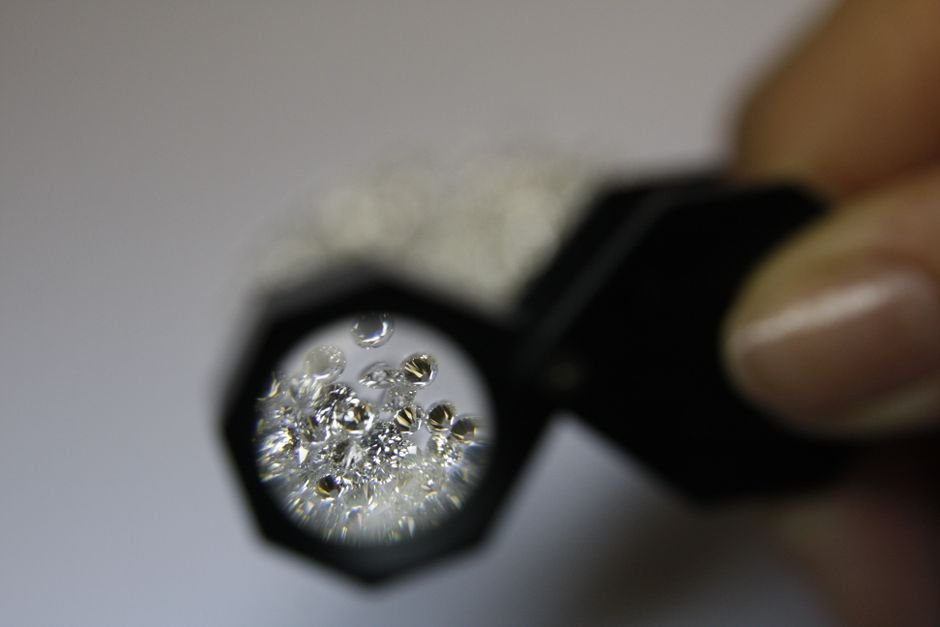
- Examine color zoning under light. Hold the piece up to a strong light source and rotate it slowly. Genuine amethyst shows uneven purple — darker and lighter bands, sometimes fading to clear or white — rather than one flat shade throughout.
- Check for bubbles. Round, static air bubbles under magnification point to glass; amethyst, as a quartz variety, doesn’t naturally contain these. (The full test toolkit — weight, scratch test, inclusions — is in how to tell if a crystal is real.)
- Verify seller reputation. A seller who can speak specifically about origin, treatment, and whether a piece is natural or lab-grown is a much stronger signal than any single at-home test.
- Ask for origin or certification. For anything beyond an inexpensive tumbled stone, documentation of origin and treatment history is worth more than guesswork.
When This Doesn’t Apply
None of this matters if you’re knowingly buying a lab-created amethyst as exactly that. Lab-grown amethyst is a legitimate, widely disclosed product category — chemically genuine quartz sold openly as synthetic rather than natural. The concern here is about misrepresentation (dyed quartz or glass sold as natural amethyst), not about lab-grown stones being sold honestly as what they are.
Is Lab-Grown Amethyst “Real”?
Yes, in the sense that matters chemically — it’s genuine quartz colored by the same iron-based mechanism as natural amethyst. It isn’t “real” in the sense of being mined or formed over geological time, and a transparent seller will describe it as lab-grown or synthetic rather than simply “amethyst” without qualification. Whether that distinction matters to you is a personal call, not a right-or-wrong question.
Does Darker Purple Mean More Authentic?
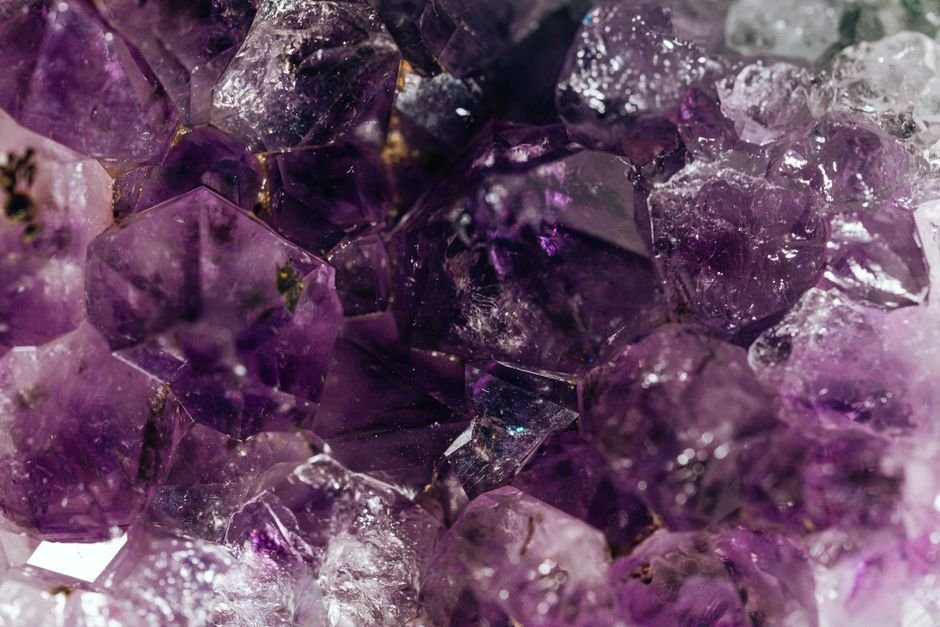
No — depth of color isn’t a reliable authenticity signal on its own. Natural amethyst ranges widely from pale lilac to deep violet depending on iron concentration and how much natural irradiation it received underground, and darker natural stones do tend to be more valuable. (Note that even genuine amethyst can fade in sunlight over time — see can crystals lose their power for the science.) But an intensely, uniformly dark purple with no zoning at all is actually more likely to be dyed or synthetic, since natural depth of color still comes with the unevenness described above. Uniform darkness, not darkness itself, is the red flag.
Real-World Example
A bargain amethyst cluster catches the eye at a market stall, priced well below what a piece of that size would normally cost. Held up to a flashlight, the color appears completely uniform from base to tip — no lighter patches, no clear sections, no banding. Under closer inspection with a loupe, tiny round bubbles are visible near the surface. Both signs point clearly to dyed quartz rather than natural amethyst, despite the seller’s claim.
What To Do Next
- Check color zoning and bubbles yourself for inexpensive or moderately priced pieces using the tests above.
- Ask the seller directly whether a piece is natural, lab-grown, or treated — a transparent answer is a strong trust signal on its own.
- Get uncertain or valuable pieces verified by a gemologist or reputable dealer who can provide documentation before you commit to a significant purchase.
FAQ
Is lab-grown amethyst “real”?
Yes, chemically — it’s genuine quartz colored by the same iron and irradiation process as natural amethyst, just grown under lab conditions rather than mined. It’s real but not natural, and reputable sellers disclose this distinction.
Does darker purple mean more authentic amethyst?
Not on its own. Natural amethyst varies widely in depth of color, and darker natural stones can be more valuable, but a perfectly uniform dark purple with no zoning at all is actually more likely to be dyed or synthetic than a genuinely deep, unevenly colored natural stone.
Do all fake amethysts have bubbles?
Most glass imitations do, since bubbles form during the glass-casting process. Dyed quartz, however, won’t show bubbles at all since it’s still genuine quartz — the giveaway there is dye concentrated in cracks rather than internal zoning.
Can I test amethyst authenticity at home without special tools?
Yes, to a meaningful degree. Checking for color zoning under a light source and looking for bubbles under basic magnification will catch most obvious fakes without needing professional equipment.
Is dyed quartz sold as amethyst illegal?
Whether it’s illegal depends on jurisdiction and disclosure, but reputable sellers are expected to disclose dyeing or treatment. Selling dyed quartz as untreated natural amethyst without disclosure is generally considered misrepresentation in the gem trade, regardless of the specific legal framework.
Leave a Reply