
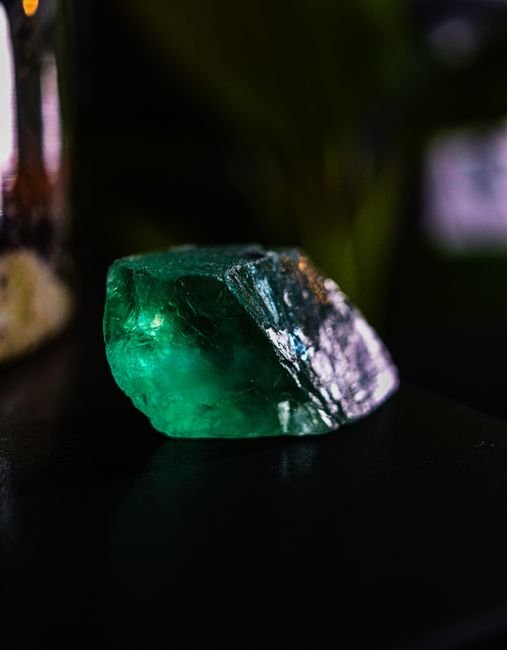
Short answer: look for natural flow texture, internal bubbles or lechatelierite streaks, and a specific mossy green color that’s never perfectly uniform. Genuine moldavite has an irregular, sculpted surface and internal flow structures formed during a violent, high-heat meteorite impact — features glass simply can’t replicate through casting or molding. Glass imitations tend to be either suspiciously smooth with no internal texture at all, or bubbly in a different way: round, evenly spaced, factory-style bubbles rather than the elongated, chaotic ones real moldavite contains.
Below is a full breakdown of why moldavite is faked so often, the tektite science behind its authentic features, what’s genuinely testable versus spiritual belief, and exactly how to verify a piece before you buy.
Why Moldavite Gets Faked So Often
One factor drives nearly all of it: rarity and price. Moldavite is found in only a handful of localities in the Czech Republic, tied to a single meteorite impact roughly 15 million years ago, and there’s no ongoing supply. That scarcity has pushed prices high enough (typically $8–$30 or more per gram for genuine material) that colored glass imitations, sold at a fraction of the cost, have become extremely profitable to produce and pass off as the real thing. (This scarce-supply-meets-viral-demand pattern is exactly why fake crystals are everywhere.)
The Science: What Makes Genuine Moldavite Different From Glass
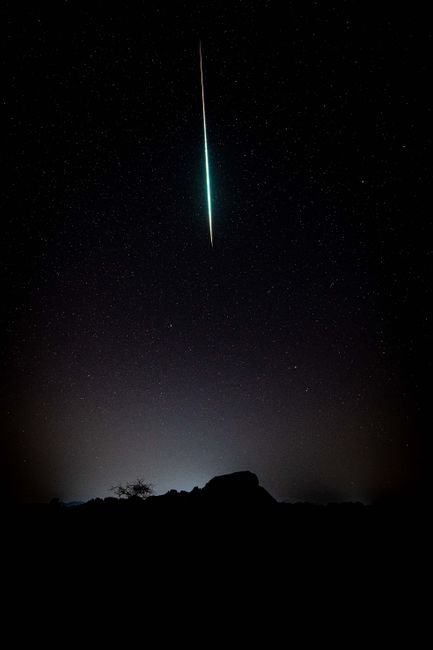
This is worth understanding properly, since it explains every reliable identification test. Moldavite is a tektite — a natural glass formed when a meteorite impact melts terrestrial rock and ejects it into the atmosphere, where it cools rapidly into glassy droplets before falling back to Earth. Moldavite formed roughly 15 million years ago during the meteorite impact that created the Nördlinger Ries crater in southern Germany, and the resulting strewn field is found almost exclusively in the Czech Republic.
That violent, high-heat formation process leaves specific physical fingerprints that manufactured glass can’t fully reproduce:
- Flow texture and internal structure. The rapid melting and cooling creates irregular internal flow lines (schlieren) and elongated, unevenly distributed bubbles — never the round, uniform bubbles typical of cast glass.
- Lechatelierite streaks. These are thin, wispy threads of pure silica glass formed when quartz grains melted and stretched under extreme impact heat. They’re difficult to fake convincingly and are one of the more reliable microscopic indicators.
- A verifiable chemical and optical signature. Genuine moldavite has a specific gravity around 2.32–2.38 g/cm³ and a refractive index around 1.48–1.54 — measurable properties that most glass imitations don’t precisely match, even when the color looks convincing.
- Natural surface sculpting. Millions of years buried in acidic soil etch real moldavite’s surface into irregular pits, grooves, and channels — a texture that’s genuinely difficult to replicate through molding or acid-etching a cast piece.
What the Spiritual View Says About Moldavite
Within crystal healing communities, moldavite is widely regarded as an unusually powerful “transformational” stone, largely because of its extraterrestrial impact origin — the idea being that a stone formed by a cosmic collision carries uniquely intense or catalytic energy compared to Earth-formed minerals. This is a deeply held belief among moldavite practitioners, but it isn’t a testable claim: there’s no instrument that measures “transformational energy,” only the physical and chemical tests described above. If this belief is part of why moldavite matters to you, that’s a legitimate personal reason to seek out a genuine piece — just hold the energetic claim as belief rather than something a lab could confirm.
Myths About Fake Moldavite
Two assumptions cause real buying mistakes:
- Myth: all green glass is fake moldavite. This isn’t quite right. There’s genuine variation within real moldavite (mossy green to olive to brownish-green), and conversely, some legitimately labeled decorative “moldavite-look” glass exists as an honest, disclosed product rather than a fake. The problem is misrepresentation, not green glass existing at all.
- Myth: texture alone confirms authenticity. A rough, sculpted surface is a strong positive sign, but it isn’t proof on its own — some higher-quality fakes now use acid-etching or molds cast from genuine specimens to mimic natural texture. Texture should be one signal among several (color zoning, bubbles, price, seller reputation), not the sole deciding factor.
How to Verify Moldavite (Troubleshooting Steps)
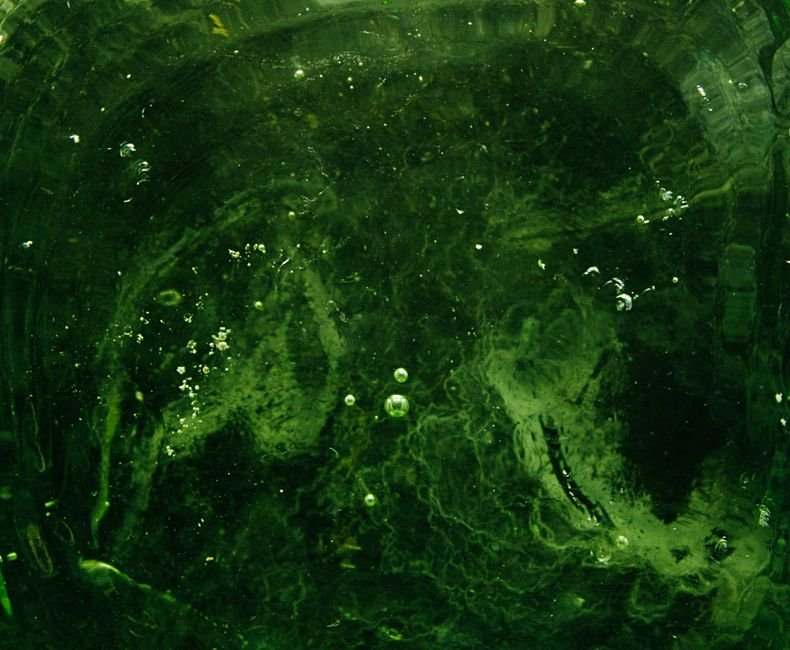
- Check density and refractive index if possible. A specific gravity outside roughly 2.32–2.38 g/cm³, or a refractive index well outside 1.48–1.54, is a strong sign you’re not looking at genuine moldavite — though this requires basic gemological tools (a scale and water for specific gravity, a refractometer for refractive index).
- Buy only from sellers offering certificates of authenticity. For moldavite specifically, look for documentation from a recognized authority such as a Czech Geological Survey certificate rather than a generic, unverifiable “certificate” included with cheap listings.
- Compare texture to verified reference photos. Genuine moldavite’s surface sculpting and internal flow patterns are non-repeating and irregular; if a piece looks identical to several other listings from the same seller, that’s a sign of mold-cast glass rather than natural material.
When This Doesn’t Apply
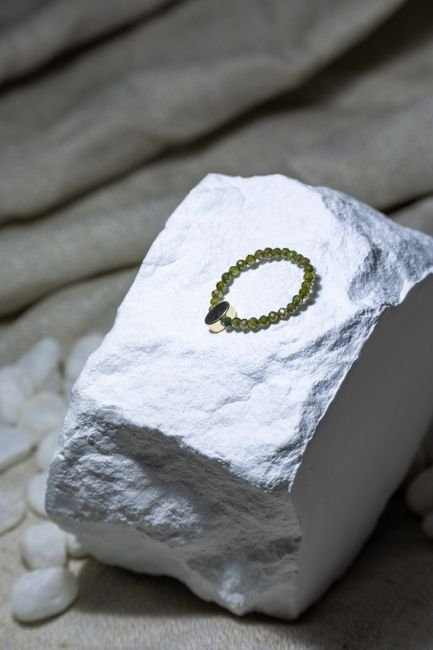
None of this matters if you’re knowingly buying moldavite-look glass jewelry that’s honestly labeled as such — a decorative green glass pendant sold openly as “moldavite-inspired” or “moldavite-style” isn’t misrepresenting itself. As Geology.com notes in its overview of moldavite identification, the meaningful distinction in the gem trade is between “imitation” (sold openly as such) and “fake” (sold without disclosure) — the concern here is specifically about glass being sold as genuine, naturally formed moldavite without disclosure, not about honestly marketed imitation jewelry.
Why Is Real Moldavite So Expensive?
Because supply is fixed and shrinking. Moldavite formed from a single ancient impact event, comes from a small, well-defined strewn field almost entirely within the Czech Republic, and cannot be mined anywhere else or replenished. Combined with rising demand from collectors and the crystal healing community, this scarcity is what sustains prices well above what a comparable-looking piece of colored glass would ever cost — which is exactly why an unusually cheap “moldavite” listing is one of the clearest red flags available.
Can I Test Moldavite Myself at Home?
To a meaningful degree, yes — though with real limits. You can visually check for flow texture, irregular bubbles, and natural surface sculpting with just a strong light source and a magnifying loupe, and you can attempt a basic specific gravity test with a digital scale and a container of water — how to test a gemstone at home walks through each method step by step. What you generally can’t do at home is a precise refractive index reading (which needs a refractometer) or definitive chemical analysis. For anything beyond an inexpensive test piece, combining your own visual inspection with a seller who provides real documentation — or sending a piece to a gemological lab — is the more reliable path.
Real-World Example
A “moldavite” pendant is listed online at a price well below typical market rates for the size shown. Held up to light, the color appears completely uniform — no lighter patches, no visible flow lines, no bubbles of any kind. Under a loupe, the surface looks smooth and slightly glossy rather than pitted or etched. Every one of these signs points the same direction: this is colored glass, not genuine moldavite, regardless of how the listing describes it.
What To Do Next
- Buy from specialized, reputable moldavite dealers who can speak specifically to origin (Czech Republic locality), provide real documentation, and show high-resolution photos of the actual piece rather than stock images.
- Combine multiple tests — texture, bubbles, price, and certification — rather than relying on any single indicator, since sophisticated fakes can pass one or two checks convincingly. (The general-purpose version of this checklist is in how to tell if a crystal is real.)
- Get uncertain, high-value pieces professionally verified by a gemologist before committing to a significant purchase.
FAQ
Why is real moldavite so expensive?
Because it comes from a single ancient meteorite impact and a fixed, non-renewable strewn field almost entirely within the Czech Republic. That permanent scarcity, combined with strong collector and spiritual-practice demand, keeps genuine prices well above what colored glass imitations cost to produce.
Can I test moldavite myself at home?
Yes, to a real degree — checking for flow texture, irregular bubbles, and natural surface sculpting under a loupe and light source catches many obvious fakes. Precise refractive index and chemical composition testing require professional equipment, so save those for uncertain or high-value pieces.
Is all green glass sold as “moldavite” automatically fake?
Not necessarily. Genuine moldavite itself varies from mossy green to olive to brownish-green, and honestly labeled decorative glass isn’t misrepresenting itself if it’s disclosed clearly. The issue is glass sold as genuine, naturally formed moldavite without that disclosure.
Does a rough, textured surface guarantee a piece is real?
No. Texture is a strong positive sign, but some higher-quality fakes now replicate natural-looking texture through acid-etching or casting from real specimens. Combine texture with other checks — bubbles, price, certification — rather than relying on it alone.
Do certificates of authenticity guarantee a piece is genuine?
Not automatically. Look specifically for certificates from a recognized authority (such as a Czech Geological Survey document) tied to that specific piece, since generic or unverifiable “certificates” included with very cheap listings don’t carry the same weight.
Leave a Reply